Omnivore
Algae
Leftover Fish Food
Film Algae
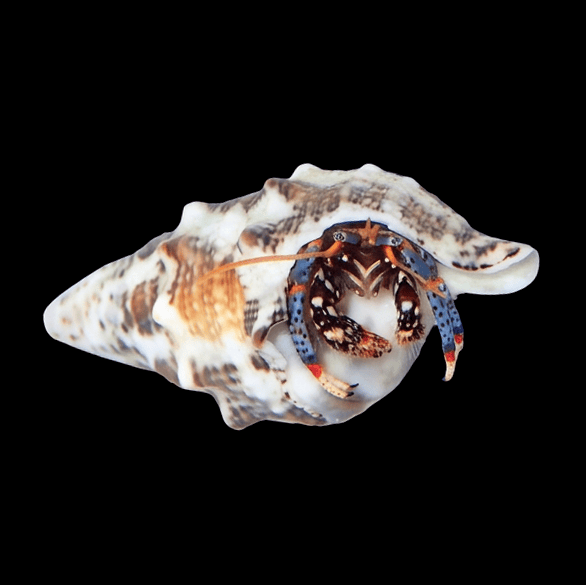
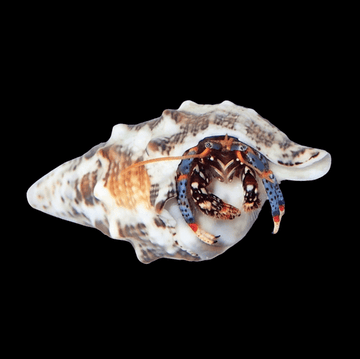
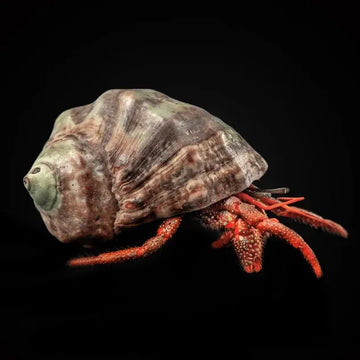
Red Leg Hermit Crabs are active scavengers that patrol rockwork and sand beds throughout the day. They are noticeably larger and bulkier than Blue Leg Hermit Crabs, which gives them a stronger grip when competing for shells or dragging food. This extra size makes them excellent at clearing leftover food and detritus, but it also means they can be more forceful if a shell upgrade is needed. Shell differences to keep in mind: - Red Legs look for shells that are slightly larger and thicker - They prefer shells that allow room to grow into - Oversized shells reduce the need for them to bother snails
FAQ
Frequently Asked Questions
About the Red Leg Hermit Crab
-
My Red Leg Hermit Crabs are climbing over snails and some snails are missing. Are the hermits killing them?
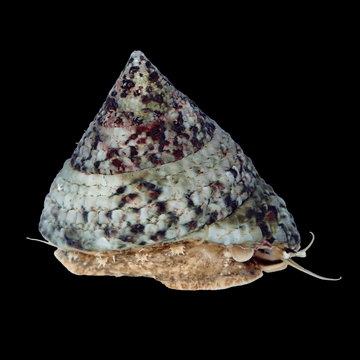
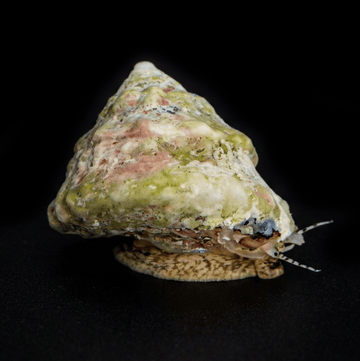
Red Leg Hermits are generally more peaceful than Blue Legs, but they will still take a snail’s shell if they cannot find a suitable replacement. They rarely kill snails for food, but they will evict them when shell options are limited. Red Legs prefer slightly larger, smoother shells because of their broader bodies. If the shells you provide are too small or too heavy, they will target snails to upgrade. Helpful shell options include: - Medium weight shells that are not overly thick - Openings wide enough for their larger leg structure - Sizes at least one increment bigger than their current shell -
Why are my Red Leg Hermit Crabs fighting each other even though they are supposed to be peaceful?
Red Legs are calmer than many hermits, but competition still happens when shells or food are limited. In low nutrient tanks or very clean systems, natural algae may not be enough to support all scavengers, so mild aggression increases. They also examine shells frequently, so fighting can happen even when no harm is intended. Ways to reduce fighting include: - Offer shells in multiple shapes, not just multiple sizes - Provide occasional plant based foods like algae wafers or nori - Avoid stocking too many hermits in small aquariums -
My Red Leg Hermit Crabs are ignoring algae and only going after leftover frozen food. Will this affect their behavior?
Yes, it can change how they behave. When hermits fill up on protein rich frozen foods, they reduce the amount of algae they graze and may become more opportunistic toward snails or other hermits. You can rebalance their diet by limiting how much meaty food reaches the substrate and offering herbivore pellets or dried seaweed. Once their diet shifts back toward plant material, they resume natural grazing and become calmer scavengers. -
One of my Red Leg Hermit Crabs left its shell and is exposed. How can I help it survive?
A shell less hermit crab is extremely vulnerable, but it can recover if it finds a shell quickly. Reasons include molting, being pushed out of a shell, or sudden salinity changes. Place several empty shells next to the crab, ideally ones wider and slightly deeper than its previous shell. Check that your salinity did not swing quickly after a water change or top off error. Turning down flow temporarily gives the crab a safer chance to re shell. Most Red Legs recover within a short time if a good shell is available.