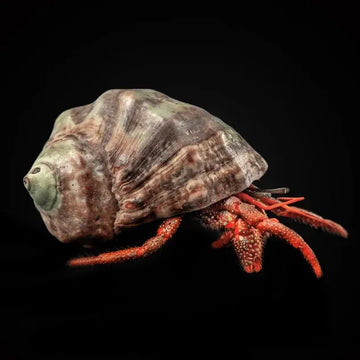
Omnivore – film algae, detritus, leftover food, scavenged bits of meaty foods, occasional dried seaweed
Algae
Leftover Food
Film Algae
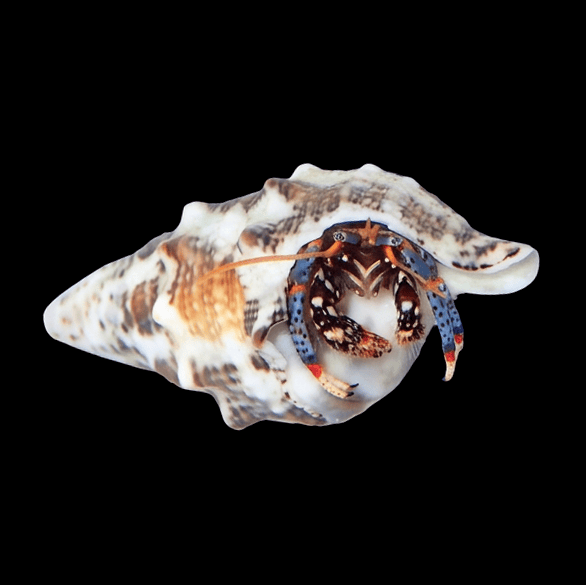
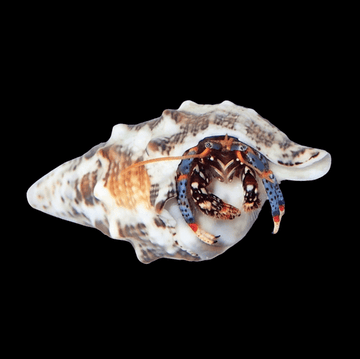
Blue Leg Hermit Crabs are small, active scavengers commonly kept as reef janitors. They spend much of the day picking at rockwork, pushing the top layer of sand, and feeding on nuisance algae. While generally peaceful, they can become territorial if shell resources are scarce, occasionally attacking snails for their shells. Providing a variety of empty shells prevents aggression, protects snails, and keeps them focused on algae cleanup.
FAQ
Frequently Asked Questions
About the Blue Leg Hermit Crab
-
My Blue Leg Hermit Crab keeps climbing over my snails and some have disappeared. Is it eating them?
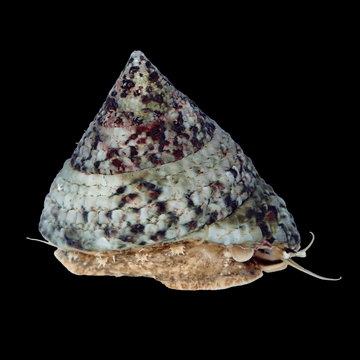
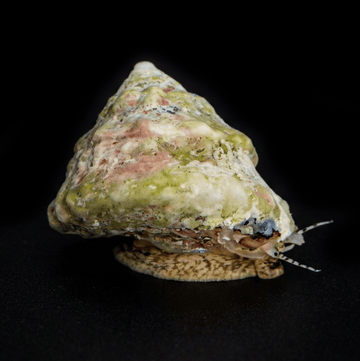
In most cases it is not eating the snail, it is trying to take its shell. Shell theft happens when the hermit does not have a suitable option in the tank. If the shells that are available are too small, too thick, or uncomfortable to move in, the hermit will evict snails to claim one. You can prevent this by keeping a range of spare shells. Blue Legs tend to choose lighter shells with narrow, oval openings, not thick round ones. When they have several good choices, snail deaths drop significantly. Helpful shell options include: - Lightweight shells that are not overly thick - Openings that are oval rather than perfectly round - Sizes slightly larger than what they currently wear -
Why are my Blue Leg Hermit Crabs fighting and flipping each other over?
Persistent fighting is usually a sign of shell competition or limited food. In newer tanks or very clean reef systems, there is often not enough natural algae or detritus for every hermit, so they become more aggressive. Offering shells of different shapes is more important than just offering more shells. Adding small herbivore foods a few times per week also helps reduce competition. If the crabs continue fighting even after being given new shells, it may simply mean you have more hermits than the tank can support. Ways to reduce fighting include: - Offer a mix of shells with different shapes and sizes - Feed small herbivore pellets or seaweed as supplements - Avoid overcrowding, especially in newer low nutrient tanks -
My Blue Leg Hermit Crabs are ignoring algae and going straight for leftover frozen food. Will this cause problems?
It can. When hermits get most of their diet from leftover meaty food, they stop grazing algae and can become more opportunistic toward snails. You can correct this without starving your tank by reducing how much frozen food reaches the sand and by giving the hermits something plant based to focus on. Pieces of nori or herbivore pellets work well, and it usually takes less than two weeks for them to resume grazing on film algae once they are not full of protein rich food. -
One of my Blue Leg Hermit Crabs left its shell and is exposed. Can it survive?
It can survive if it finds a shell quickly. Crabs abandon their shells when they molt, when they are evicted, or when a water parameter change stresses them. Place several shells right next to the crab, and check that salinity was not changed suddenly by a large water change or auto top off mistake. Reducing flow temporarily helps keep the crab safe while it searches. If it does not re shell within several hours, especially after molting, its chances decrease. Keeping a constant variety of shells in the aquarium prevents most cases like this.