What are LPS corals?
Large polyp stony corals build the same calcium carbonate skeleton that SPS corals do, but they carry far larger, fleshier polyps over it. That single difference drives most of what makes them practical: the polyps are big enough to capture and digest food directly, they inflate to hide the skeleton entirely, and they move visibly in the current. LPS sit between soft corals and SPS corals in both difficulty and demand, which is why most mixed reefs are built around them.
The main LPS groups
The category covers several very different corals:
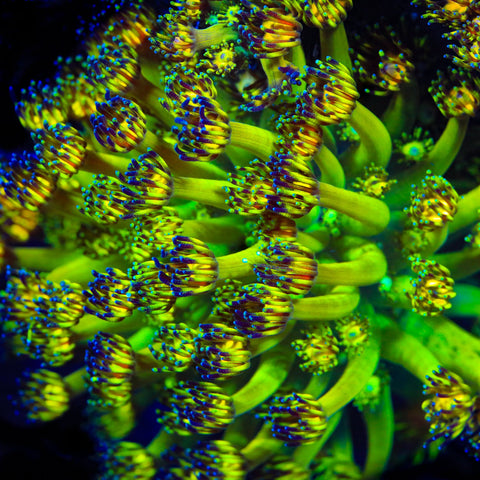
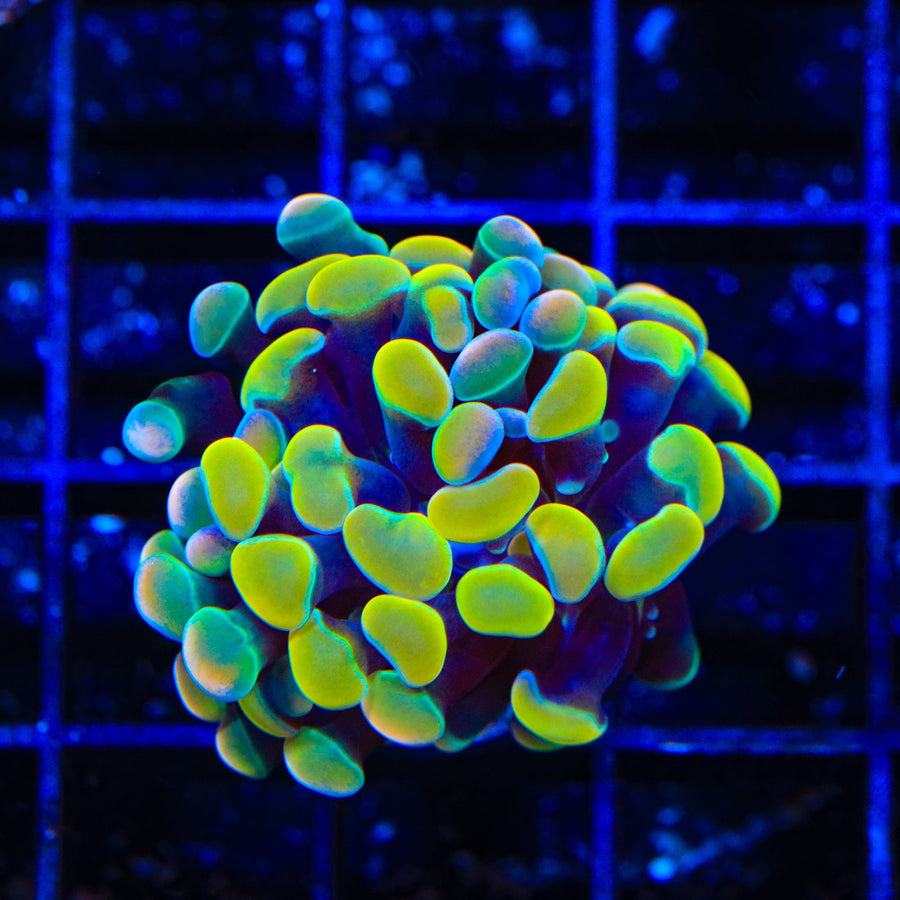
- Euphyllia — hammer, torch, and frogspawn, defined by long flowing tentacles and constant motion. The most popular LPS group by some margin.
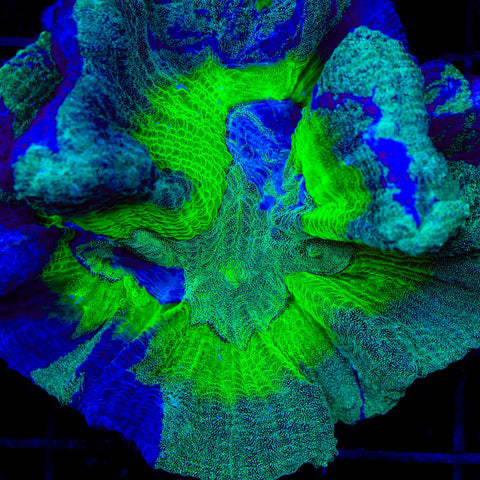
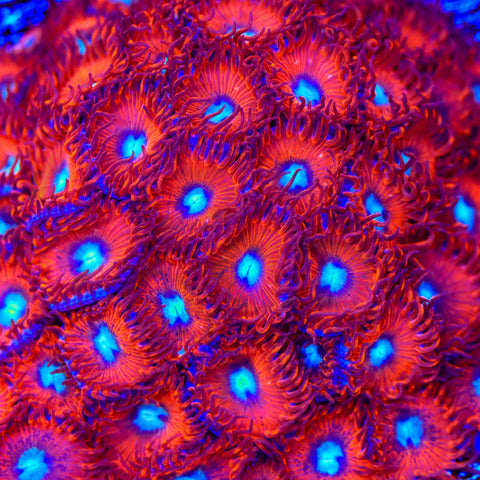
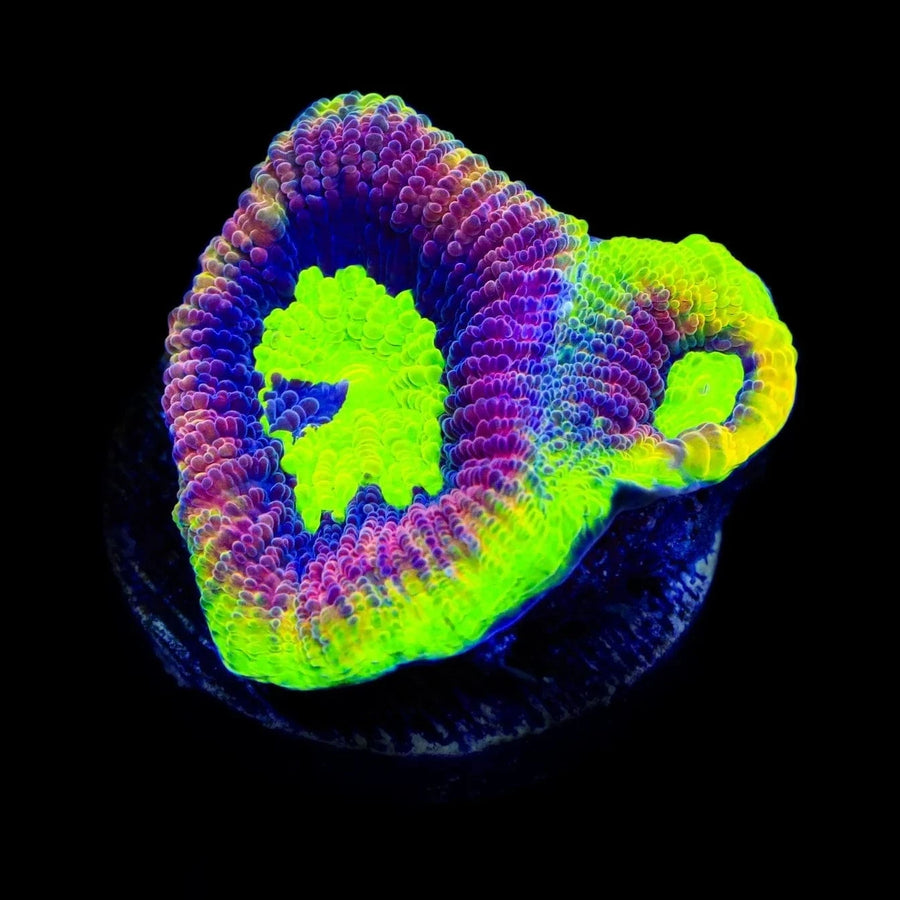
- Acans and favia — encrusting colonies of tightly packed polyps in high-contrast color, kept low in the tank.
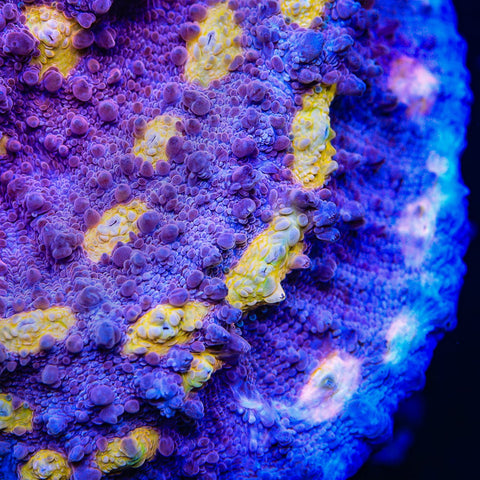
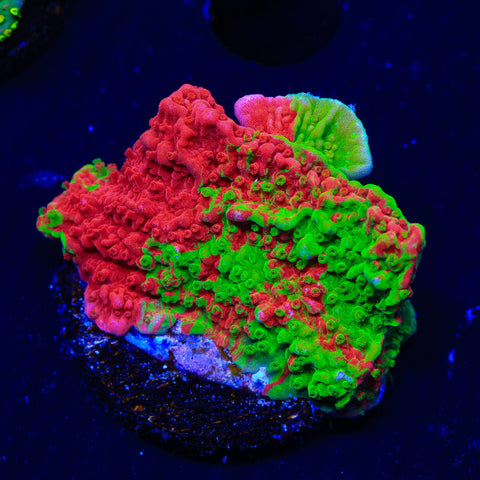
- Chalices — encrusting plates with contrasting raised mouths, highly collectible and the most aggressive of the group.
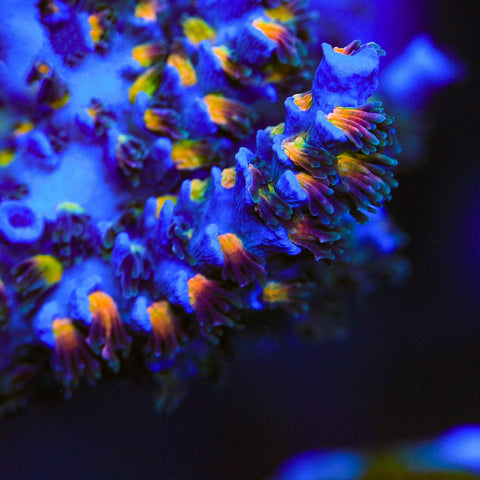
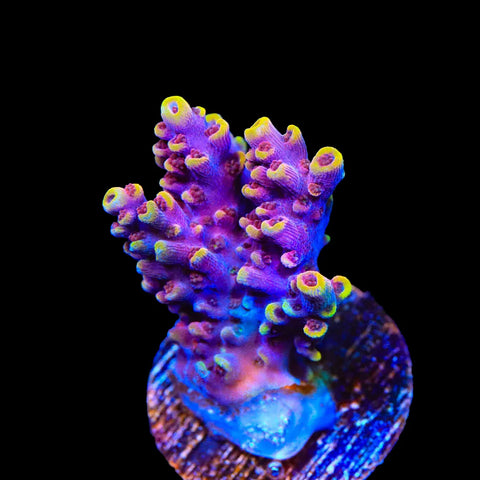
- Duncans and candy canes — branching colonies that multiply by budding new heads, and among the easiest LPS to grow.
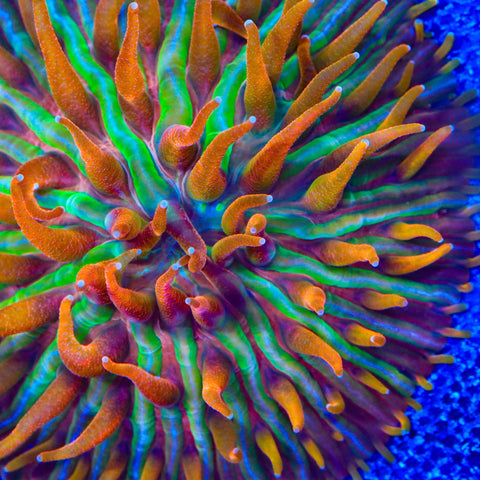
- Goniopora and blastomussa — long-polyp and inflating-polyp corals that read almost like softies when fully open.
LPS care: light, flow, and feeding
Most LPS want low to moderate light and gentle, indirect flow, which puts them on the lower and middle rockwork rather than the top. The common mistake is giving them SPS conditions: too much light bleaches the tissue and too much current keeps the polyps retracted. Because they build skeleton continuously, keep alkalinity and calcium steady with reliable water testing equipment and review your reef lighting before moving a colony up. Most LPS also benefit from target feeding once or twice a week.
Aggression and spacing
LPS aggression is the single most underestimated factor in a mixed reef, largely because sweeper tentacles only appear after dark. Chalices and favia reach four to six inches, Euphyllia several inches, and acans and duncans enough to matter at close quarters. Blastomussa and scolymia, by contrast, have almost no defense and need protecting rather than containing. Watch the tank an hour after lights out, map the real reach of each colony, and group the heavy hitters apart from the peaceful ones instead of interleaving them.
Building an LPS reef
A tank built around LPS gives more movement than SPS and more color than softies, and it runs at parameters that are realistic to hold steady. Start with duncans, hammers, or frogspawn, add acans and blastomussa on the lower shelf, then work up to torches and chalices. Browse the full range of live corals for sale, find forgiving starting points in beginner corals, or read our beginner’s guide to soft, LPS, and SPS corals.