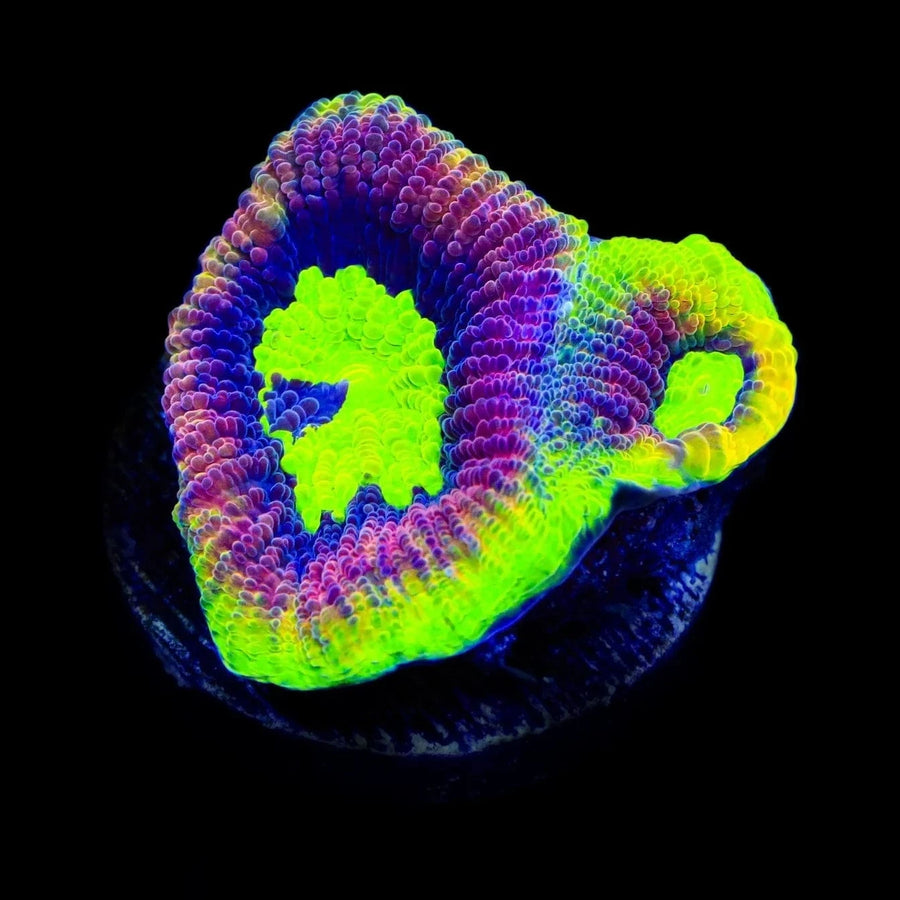
LPS Corals

670 LPS corals for sale, including hammer, torch, acan, duncan and chalice
Shop aquacultured LPS corals for sale, from hammers and torches to acans, chalices, and duncans. Large polyp stony corals build a calcium carbonate skeleton like SPS but carry much larger, fleshier polyps, which gives them movement, color, and the ability t... Read more Show less

Shop aquacultured LPS corals for sale, from hammers and torches to acans, chalices, and duncans. Large polyp stony corals build a calcium carbonate skeleton like SPS but carry much larger, fleshier polyps, which gives them movement, color, and the ability to take food directly. They are generally hardier than SPS and more visually dramatic than soft corals, which makes them the natural middle ground for a mixed reef. Every LPS frag here ships with a live arrival guarantee.

Skip to results list
Filters
670 items
Column grid
Column grid
Filter

Active filters:

  • TSA Hocus Pocus Acan Coral

    TSA Hocus Pocus Acan Coral

    Sale price  $129.99 Regular price $149.99

    Signature Coral

    Care Level Moderate
    Lighting Low–Moderate
    Flow Low–Moderate
    Placement Low–Mid
  • TSA Hi-C Cyphastrea Coral

    TSA Hi-C Cyphastrea Coral

    Sale price  $34.99 Regular price $39.99

    Signature Coral

    Care Level Easy
    Lighting Low–Moderate
    Flow Low–Moderate
    Placement Low–Mid
  • TSA Crimson Radiation Blastomussa Coral

    TSA Crimson Radiation Blastomussa Coral

    Sale price  $249.99 Regular price $279.99

    Signature Coral

    Care Level Moderate
    Lighting Low–Moderate
    Flow Low–Moderate
    Placement Low–Mid
  • TSA Beach Boys Pectinia Coral

    TSA Beach Boys Pectinia Coral

    Sale price  $114.99 Regular price $139.99

    Signature Coral

    Care Level Moderate
    Lighting Low–Moderate
    Flow Moderate
    Placement Low–Mid
  • Peppermint Cyphastrea Coral

    Peppermint Cyphastrea Coral

    Sale price  $39.99 Regular price $54.99

    Signature Coral

    Care Level Easy
    Lighting Low–Moderate
    Flow Low–Moderate
    Placement Low–Mid
  • JF Spitfire Leptastrea Coral

    JF Spitfire Leptastrea Coral

    Sale price  $44.99 Regular price $54.99

    Signature Coral

    Care Level Easy
    Lighting Low–Moderate
    Flow Low–Moderate
    Placement Low–Mid
  • TSA Jail Break Chalice Coral

    TSA Jail Break Chalice Coral

    Sale price  $199.99 Regular price $219.99

    Signature Coral

    Care Level Moderate
    Lighting Low–Moderate
    Flow Low–Moderate
    Placement Low–Mid
  • JF Buzz Kill Cyphastrea Coral

    JF Buzz Kill Cyphastrea Coral

    Sale price  $69.99 Regular price $89.99

    Signature Coral

    Care Level Easy
    Lighting Low–Moderate
    Flow Low–Moderate
    Placement Low–Mid
  • TSA Court Jester Galaxea Coral

    TSA Court Jester Galaxea Coral

    Sale price  $79.99 Regular price $89.99

    Signature Coral

    Care Level Moderate
    Lighting Moderate
    Flow Moderate–High
    Placement Low–Mid
  • TSA Luigi Chalice Coral

    TSA Luigi Chalice Coral

    Sale price  $69.99 Regular price $89.99

    Signature Coral

    Care Level Moderate
    Lighting Low–Moderate
    Flow Low–Moderate
    Placement Low–Mid
  • TSA Sir Lollipop Acan Coral

    TSA Sir Lollipop Acan Coral

    Sale price  $99.99 Regular price $114.99

    Signature Coral

    Care Level Moderate
    Lighting Low–Moderate
    Flow Low–Moderate
    Placement Low–Mid
  • TSA Fresh Meadow Alveopora Coral

    TSA Fresh Meadow Alveopora Coral

    Sale price  $89.99 Regular price $99.99

    Signature Coral

    Care Level Moderate
    Lighting Low–Moderate
    Flow Moderate
    Placement Low–Mid
  • TSA Terminator Acan Coral

    TSA Terminator Acan Coral

    Sale price  $89.99 Regular price $99.99

    Signature Coral

    Care Level Moderate
    Lighting Low–Moderate
    Flow Low–Moderate
    Placement Low–Mid
  • TSA Rainbow Killer Acan Coral

    TSA Rainbow Killer Acan Coral

    Sale price  $129.99 Regular price $149.99

    Signature Coral

    Care Level Moderate
    Lighting Low–Moderate
    Flow Low–Moderate
    Placement Low–Mid
  • TSA Ghoul Wrangler Leptastrea Coral

    TSA Ghoul Wrangler Leptastrea Coral

    Sale price  $49.99 Regular price $54.99

    Signature Coral

    Care Level Easy
    Lighting Low–Moderate
    Flow Moderate indirect
    Placement Low–Mid
  • Rainbow Blast Echinata Coral

    Rainbow Blast Echinata Coral

    Sale price  $69.99 Regular price $79.99

    Signature Coral

    Care Level Moderate
    Lighting Low–Moderate
    Flow Moderate
    Placement Low–Mid
  • TSA Zesty Goniopora Coral

    TSA Zesty Goniopora Coral

    Sale price  $149.99 Regular price $199.99

    Signature Coral

    Care Level Difficult
    Lighting Moderate
    Flow Moderate
    Placement Low–Mid
  • TSA Fire and Ice Chalice Coral

    TSA Fire and Ice Chalice Coral

    Sale price  $149.99 Regular price $179.99

    Signature Coral

    Care Level Moderate
    Lighting Low–Moderate
    Flow Low–Moderate
    Placement Low–Mid
  • Grafted JF Raja Rampage Chalice Coral

    Grafted JF Raja Rampage Chalice Coral

    Sale price  $399.99 Regular price $449.99

    Signature Coral

    Care Level Moderate
    Lighting Low–Moderate
    Flow Low–Moderate
    Placement Low–Mid
  • TSA Legacy Pectinia Coral

    TSA Legacy Pectinia Coral

    Sale price  $149.99 Regular price $174.99

    Signature Coral

    Care Level Moderate
    Lighting Low–Moderate
    Flow Moderate
    Placement Low–Mid
  • TSA City Slicker Pectinia Coral

    TSA City Slicker Pectinia Coral

    Sale price  $149.99 Regular price $174.99

    Signature Coral

    Care Level Moderate
    Lighting Low–Moderate
    Flow Moderate
    Placement Low–Mid
  • TSA Pandemic Favia Coral

    TSA Pandemic Favia Coral

    Sale price  $149.99 Regular price $179.99

    Signature Coral

    Care Level Moderate
    Lighting Low–Moderate
    Flow Moderate
    Placement Low–Mid
  • TSA Emerald Rose Pectinia Coral

    TSA Emerald Rose Pectinia Coral

    Sale price  $174.99 Regular price $199.99

    Signature Coral

    Care Level Moderate
    Lighting Low–Moderate
    Flow Moderate
    Placement Low–Mid
  • TSA Fireworks Pectinia Coral

    TSA Fireworks Pectinia Coral

    Sale price  $149.99 Regular price $174.99

    Signature Coral

    Care Level Moderate
    Lighting Low–Moderate
    Flow Moderate
    Placement Low–Mid

Popular live coral picks

Compare Popular LPS Corals

Compare our most popular live corals by care level, lighting, flow, growth, placement, and temperament — from beginner-friendly softies to advanced SPS.

Answers

LPS Coral Care FAQ

What are LPS corals?

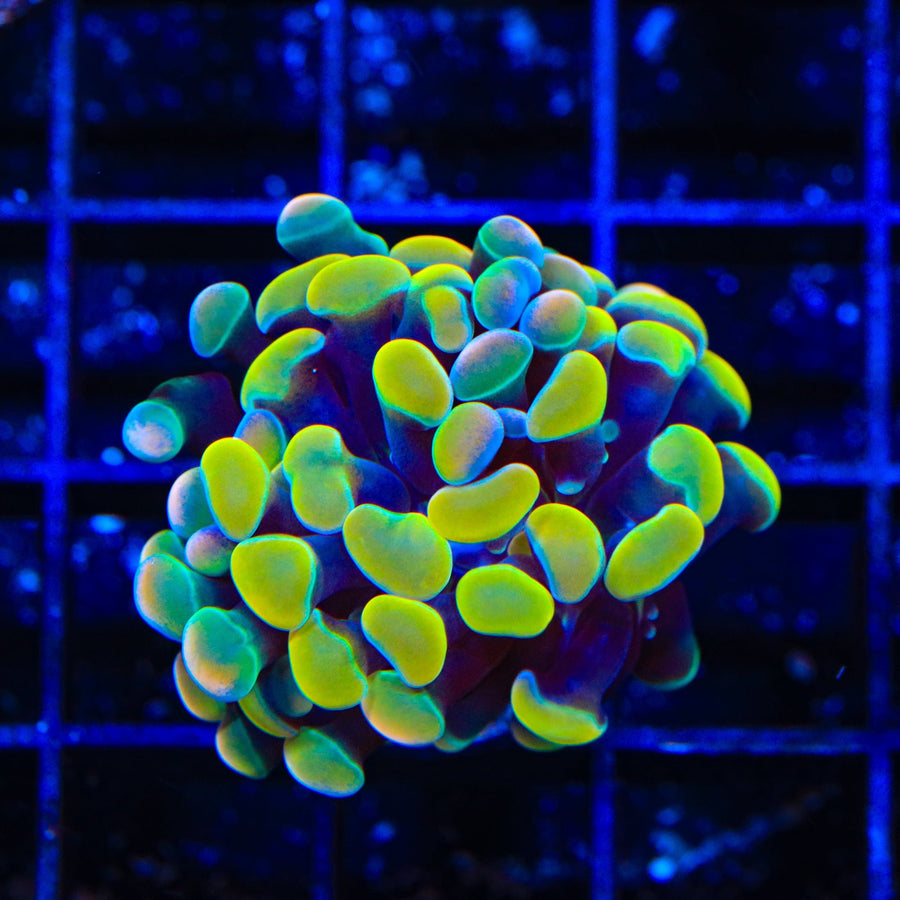
LPS stands for large polyp stony, describing corals that build a hard calcium carbonate skeleton but carry big, fleshy polyps rather than the tiny ones found on SPS corals. The group covers hammer, torch, and frogspawn, acans, chalices, duncans, favia, blastomussa, scolymia, goniopora, and candy canes among others. Because the polyps are large enough to capture food, most LPS can be target fed, which is one of the main practical differences from SPS.
Are LPS corals hard to keep?

LPS sit in the middle of the difficulty range: harder than soft corals, considerably easier than SPS. They need a matured tank and reasonably stable alkalinity and calcium because they are building skeleton, but they tolerate nutrient levels and light variation that would stress an acropora. Most failures come from placement rather than chemistry, either too much light and flow, or a neighbour within sweeper range.

Which LPS coral is the hardiest?

Duncans, candy canes, hammers, and frogspawn are the four most often recommended as first LPS. All of them tolerate a range of light and flow, grow visibly within months, and recover from minor mistakes. Blastomussa and acans are close behind and add more color. Save torches, chalices, and goniopora until you have a few months of stable parameters, since they are less tolerant of swings and, in the case of chalices, much more aggressive.

What is the difference between LPS and SPS corals?

Both build stony skeletons; the difference is polyp size and, in practice, tolerance. LPS carry large fleshy polyps, take food directly, tolerate moderate light and higher nutrients, and generally survive a parameter swing. SPS carry tiny polyps over a branching or encrusting skeleton, need high light, strong flow, low nutrients, and above all very stable alkalinity, and they can lose tissue within hours of a swing. Most reefers keep LPS successfully well before attempting SPS.

How do I stop LPS corals from stinging each other?

Spacing and observation. Many LPS extend sweeper tentacles only at night, so the reach you see during the day is misleading; chalices and favia can reach four to six inches after dark, and Euphyllia several inches. Watch the tank an hour after lights out to map the real footprint before finalising placements. Leave generous gaps between aggressive species, group peaceful corals like blastomussa and duncans away from the heavy hitters, and account for colonies widening as they grow.

What are the best LPS corals for a mixed reef aquarium?

The best LPS for a mixed reef share moderate light and flow with your soft corals and SPS without overpowering them. Duncans, candy cane corals, Acans, and Blastomussa are the easiest fits: they are hardy, fairly compact, and relatively peaceful. Hammer and frogspawn corals add movement and color, but like all Euphyllia they can sting nearby corals, so give them several inches of open space. Torches reach the farthest of the Euphyllia and chalices are aggressive too, so plan their spacing first. Place most LPS on the middle and lower rockwork below your SPS, keep plate corals on the sand bed, and check how far sweeper tentacles reach after lights out before adding new neighbors.

Live coral buying guide

What are LPS corals?

Large polyp stony corals build the same calcium carbonate skeleton that SPS corals do, but they carry far larger, fleshier polyps over it. That single difference drives most of what makes them practical: the polyps are big enough to capture and digest food directly, they inflate to hide the skeleton entirely, and they move visibly in the current. LPS sit between soft corals and SPS corals in both difficulty and demand, which is why most mixed reefs are built around them.

The main LPS groups

The category covers several very different corals:

  • Euphyllia — hammer, torch, and frogspawn, defined by long flowing tentacles and constant motion. The most popular LPS group by some margin.
  • Acans and favia — encrusting colonies of tightly packed polyps in high-contrast color, kept low in the tank.
  • Chalices — encrusting plates with contrasting raised mouths, highly collectible and the most aggressive of the group.
  • Duncans and candy canes — branching colonies that multiply by budding new heads, and among the easiest LPS to grow.
  • Goniopora and blastomussa — long-polyp and inflating-polyp corals that read almost like softies when fully open.

LPS care: light, flow, and feeding

Most LPS want low to moderate light and gentle, indirect flow, which puts them on the lower and middle rockwork rather than the top. The common mistake is giving them SPS conditions: too much light bleaches the tissue and too much current keeps the polyps retracted. Because they build skeleton continuously, keep alkalinity and calcium steady with reliable water testing equipment and review your reef lighting before moving a colony up. Most LPS also benefit from target feeding once or twice a week.

Aggression and spacing

LPS aggression is the single most underestimated factor in a mixed reef, largely because sweeper tentacles only appear after dark. Chalices and favia reach four to six inches, Euphyllia several inches, and acans and duncans enough to matter at close quarters. Blastomussa and scolymia, by contrast, have almost no defense and need protecting rather than containing. Watch the tank an hour after lights out, map the real reach of each colony, and group the heavy hitters apart from the peaceful ones instead of interleaving them.

Building an LPS reef

A tank built around LPS gives more movement than SPS and more color than softies, and it runs at parameters that are realistic to hold steady. Start with duncans, hammers, or frogspawn, add acans and blastomussa on the lower shelf, then work up to torches and chalices. Browse the full range of live corals for sale, find forgiving starting points in beginner corals, or read our beginner’s guide to soft, LPS, and SPS corals.