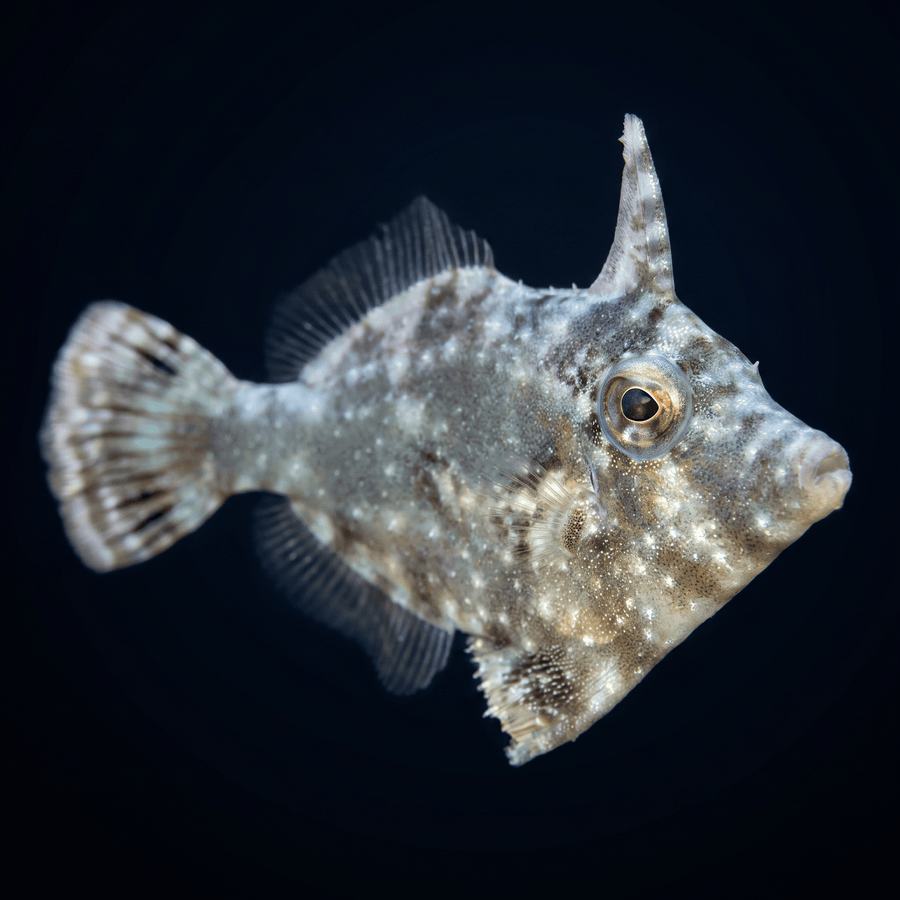
Filefish

3 available — unusual filefish with distinctive shapes, specialized diets, and species-dependent reef compatibility.

Filefish are distinctive marine fish with laterally compressed bodies, engaging behavior, and care needs that vary considerably by species.

Explore more saltwater fish while evaluating each filefish's diet, adult size, and reef suitability.

Skip to results list

Filters

3 items
Column grid

Active filters:

Column grid

Filter

Active filters:

  • Aiptasia Eating Filefish

    Aiptasia Eating Filefish

    $56.99

    Almost WYSIWYG Fish

    Acreichthys tomentosus

    Care Level Easy
    Temper­ament Peaceful
    Reef Safe With Caution
    Diet Omnivore
    Tank Size 75 gallons
    Max Size 5.5 inches
  • Captive-Bred Aiptasia Eating Filefish

    Captive-Bred Aiptasia Eating Filefish

    $49.99

    Almost WYSIWYG Fish

    Acreichthys tomentosus

    Care Level Easy
    Temper­ament Peaceful
    Reef Safe With Caution
    Diet Omnivore
    Tank Size 75 gallons
    Max Size 5.5 inches
  • Tassled Filefish

    Tassled Filefish

    $139.99

    Almost WYSIWYG Fish

    Chaetodermis penicilligerus

    Care Level Difficult
    Temper­ament Peaceful
    Reef Safe Yes
    Diet Omnivore
    Tank Size 50 gallons
    Max Size 6 inches

Top picks

Popular Filefish

Compare the strongest options in this collection at a glance.

Captive-Bred Aiptasia Eating Filefish

Captive-Bred Aiptasia Eating Filefish

Starting at $49.99
Aiptasia Eating Filefish – Acreichthys tomentosus

The Aiptasia Eating Filefish, also known as the Matted Filefish or Bristle-tail Filefish, is a distinctive saltwater fish with an angular body, an elongated...
View details

Answers

Are filefish reef safe?
Reef safety varies by species and individual. Some filefish may nip corals, anemones, clams, or other sessile invertebrates.
What do saltwater filefish eat?
Diet depends on species and may include prepared marine foods, small crustaceans, algae, coral polyps, or other specialized natural items.
Can filefish help control Aiptasia?
Certain filefish may consume Aiptasia, but results vary and the same fish may also investigate desirable corals or other invertebrates.
What tankmates suit a filefish?
Calm tankmates that do not monopolize food are often preferable, although compatibility depends on the filefish species, size, and temperament.
How should filefish be acclimated?
Gradually match water conditions, reduce lighting, provide immediate cover, and observe closely for feeding response or aggression after release.

Dive deeper

More info and buying tips

Filefish

Selecting Filefish

Confirm the species because adult size, diet, temperament, and reef behavior differ widely. Look for clear eyes, intact skin, controlled swimming, and interest in food. Ask what the fish currently accepts and avoid assuming all filefish share the same care. Compare possible companions in saltwater fish.

Habitat and Reef Risk

Provide branching structures, caves, and calm resting zones alongside open swimming room. Filefish may use their dorsal spine near shelter. Reef safety is variable, not assured. Some individuals nip soft or stony corals, anemones, clams, or other invertebrates. Secure décor and find maintenance tools through aquarium supplies.

Feeding and Compatibility

Offer a varied, species-appropriate menu in manageable portions. Choices from fish food may include frozen, pellet, flake, algae-based, or meaty items, but specialists can require particular fare. A fish purchased for Aiptasia control may not eat every pest and could sample valued corals. Avoid tankmates that prevent it from feeding.

Acclimation and Monitoring

Acclimate gradually, limit exposure to air, dim the aquarium, and release the fish near shelter. Watch it during meals to verify swallowing rather than pecking without feeding. Check its body condition and inspect corals regularly for new damage. If conflict appears, use a separation plan instead of relying on the behavior to stop by itself.