Reef Tank Algae Eaters

87 Reef-safe algae eaters — snails, hermit crabs, emerald crabs, urchins, and herbivorous tangs.
Shop algae eaters and saltwater clean up crew livestock for reef tanks, from Trochus and Astrea snails that graze film algae off glass and rock to hermit crabs and emerald crabs that work detritus and bubble algae, plus urchins, sea hares, and herbivorous t... Read more Show less

Shop algae eaters and saltwater clean up crew livestock for reef tanks, from Trochus and Astrea snails that graze film algae off glass and rock to hermit crabs and emerald crabs that work detritus and bubble algae, plus urchins, sea hares, and herbivorous tangs for larger systems.

Match each species to the algae you actually have, your tank size, and your reef-safety tolerance. A clean up crew grazes nuisance algae and leftover food; it does not replace nutrient export, stable parameters, or routine maintenance. Stock gradually and keep only what your aquarium can still feed once the algae recedes.

Stocking a new tank? Start with a balanced saltwater clean up crew of grazers, sand sifters, and scavengers.

Skip to results list

Filters

87 items
Column grid

Active filters:

Column grid

Filter

Active filters:

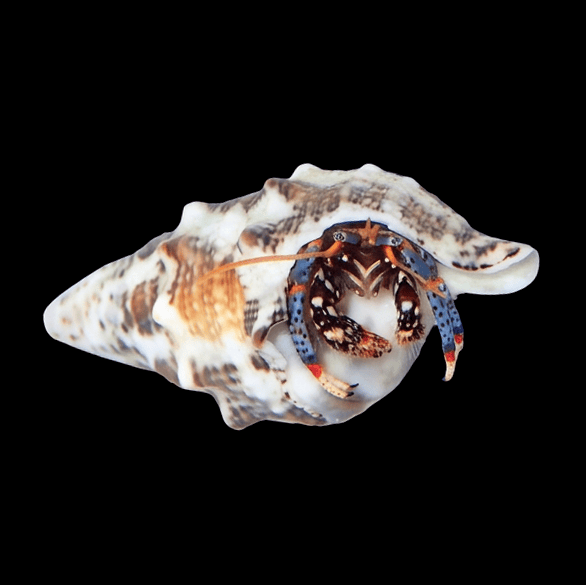
  • Blue Leg Hermit Crab

  • Trochus Snail

  • Astrea Snail

  • Red Leg Hermit Crab

  • Emerald Crab

  • Margarita Snail

  • Lawnmower Blenny

    Lawnmower Blenny

    Sale price  $23.39 Regular price $25.99

    Almost WYSIWYG Fish

  • Dolabella Sea Hare

  • Tuxedo Urchin

  • Pink Pin Cushion Urchin

  • Captive-Bred Yellow Tang

    Captive-Bred Yellow Tang

    Sale price  $296.99 Regular price $329.99

    Almost WYSIWYG Fish

  • Lettuce Nudibranch

  • Halloween Hermit Crab

  • Orange Linckia Starfish

  • Variegated Urchin

  • Ninja Star Snails

  • Chestnut Snail

  • Tiger Tail Cucumber

  • Halloween Urchin

  • Pitho Crab

  • Desjardini Sailfin Tang

    Desjardini Sailfin Tang

    Sale price  $170.99 Regular price $189.99

    Almost WYSIWYG Fish

  • Rose Pink Pin Cushion Urchin

  • Chocolate (Yellow Mimic) Tang

    Chocolate (Yellow Mimic) Tang

    Sale price  $121.49 Regular price $134.99

    Almost WYSIWYG Fish

  • Zebra Turbo Snail

Top picks

Compare Top Algae Eaters & Cleanup Crew

Compare the strongest options in this collection at a glance.

Answers

Saltwater Algae Eater & Clean Up Crew FAQ

What eats hair algae in a saltwater tank?

Green hair algae is grazed by several reef inhabitants, though results vary from tank to tank. Dolabella sea hares and lettuce nudibranchs are heavy hair-algae specialists, Trochus and Mexican Turbo snails work it off rock and glass, and herbivorous tangs such as bristletooth and sailfin species pick at it continuously. No grazer fixes the underlying cause: hair algae usually recedes for good only when excess nutrients, aging bulbs, poor flow, or overfeeding are addressed alongside manual removal.

What is the best algae eater for a saltwater tank?

There is no single best algae eater, because different species target different algae. Trochus and Astrea snails handle film and soft green algae on glass and rock, hermit crabs work detritus and leftover food, emerald crabs are one of the few animals that will pick at bubble algae, urchins graze turf and coralline off hard surfaces, and herbivorous tangs cover open rockwork in larger systems. Identify the algae you actually have first, then choose grazers that eat it.

How large a clean up crew does a reef tank need?

Stocking rules of thumb circulate widely, but a clean up crew should be sized to the food available rather than to gallons alone. Start conservatively with a small mixed group, watch how quickly they clear surfaces, and add more only if algae and detritus persist. An oversized crew starves once the nuisance algae is gone, which causes losses and adds waste back into the system.

When should I add a clean up crew to a reef tank?

Wait until the aquarium has finished cycling and ammonia and nitrite read zero, then add inverts gradually once there is visible algae or detritus for them to eat. Snails, hermit crabs, and most other inverts are sensitive to copper, unstable salinity, and temperature swings, so drip acclimate them and confirm parameters are steady. Herbivorous fish such as tangs are generally best added later, to a mature system with established grazing surfaces.

What eats bubble algae in a reef tank?

Emerald crabs are the most commonly recommended bubble algae grazer, though individuals vary and some ignore it or move on to easier food. Manual removal still matters: pull or siphon bubbles out carefully, since rupturing them in the tank can release spores. Treat any grazer as one part of a plan that also includes nutrient control and consistent maintenance.

Dive deeper

More info and buying tips

Match your clean up crew to the algae you have

Algae control starts with identification. Film algae on glass, green hair algae on rock, diatoms on fresh sand, bubble algae in crevices, and cyanobacteria sheets all respond to different grazers, and some respond to none at all. Work out what you are looking at with the reef tank pest and algae identification guide, then build a saltwater clean up crew around it. For a species-by-species walkthrough and stocking strategy, see our complete clean up crew guide.

Snails, hermit crabs, and emerald crabs

Saltwater snails are the backbone of most crews. Trochus graze film and soft green algae and can usually right themselves after a fall, Astrea are inexpensive glass and rock grazers, Cerith and Nassarius work the sand bed, and Mexican Turbos clear large surfaces quickly in bigger tanks. Hermit crabs and true crabs add scavenging: Blue Leg and Red Leg hermits pick at film algae and leftover food, while emerald crabs are the usual choice for bubble algae. Hermits need spare shells as they grow, and most crabs stay opportunistic no matter how well fed they are.

Urchins, sea hares, and specialist grazers

Sea urchins are powerful grazers that strip turf and coralline from rockwork, which helps in an algae-heavy tank but can be destructive in a polished reef; they also push loose frags around, so glue down anything you want to stay put. Dolabella sea hares and lettuce nudibranchs target green hair algae specifically and are best treated as short-term specialists, since they can starve once that algae is gone. Other cleanup inverts such as sea cucumbers sift the sand bed rather than graze rock.

Herbivorous fish for algae control

Herbivorous fish cover open rockwork that inverts miss. Tangs are the best-known grazers: bristletooth species such as Tomini and Two Spot suit mid-sized reefs, while sailfin and Naso tangs need long, large systems. Rabbitfish and foxfaces are enthusiastic algae eaters, and grazing blennies work film algae in smaller tanks. Compare the full range of algae eating and utility fish, and confirm adult size and minimum tank volume before buying.

Stocking, feeding, and long-term algae management

Add grazers gradually and size the crew to the food available instead of a fixed count per gallon. Supplement with dried seaweed or macroalgae once nuisance algae declines so herbivores do not starve. Nutrient export matters more than any single animal: keep up water changes, run a refugium under refugium lighting if it suits your system, and track nitrate and phosphate with reliable aquarium test kits. Care profiles for every invert are in the saltwater invertebrate guide, and you can assemble a mixed order with the invert pack builder.