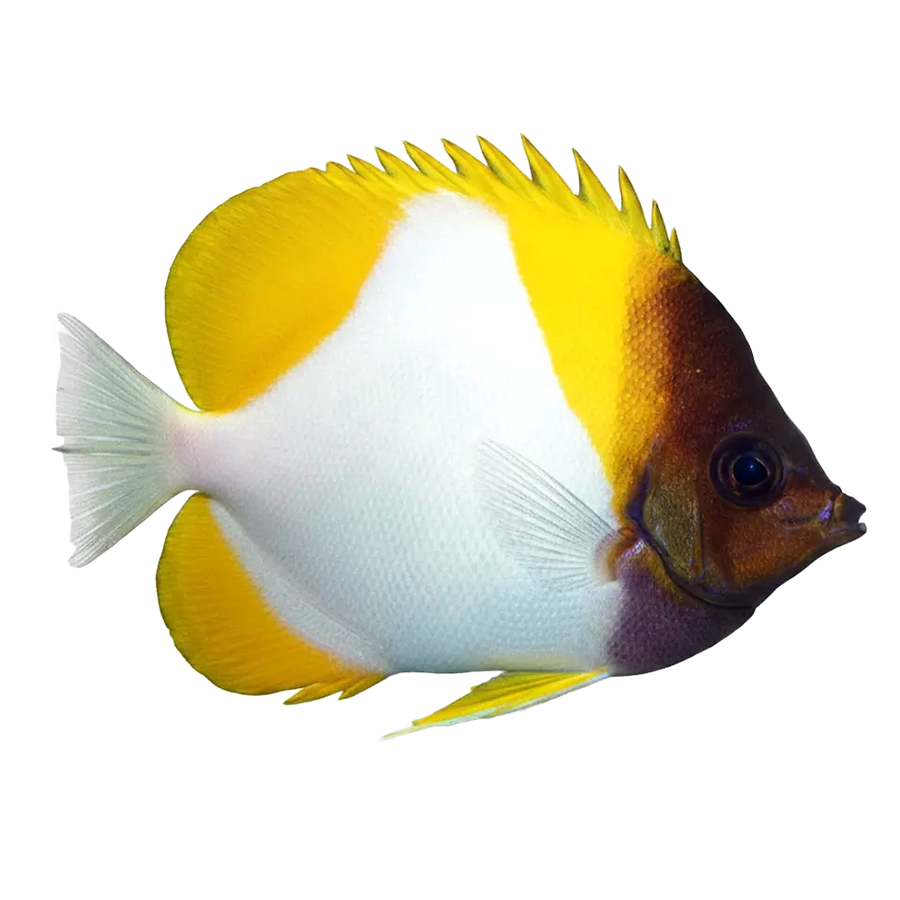
Raccoon Butterflyfish saltwater fish care guide

Overview:
The Raccoon Butterflyfish (Chaetodon lunula) is a vibrant marine species known for its striking black and white facial markings. This species thrives in well-established aquariums with a minimum capacity of 75 gallons, offering ample swimming space. Optimal water conditions include a temperature range of 72-78°F, a pH of 8.1-8.4, and a salinity of 1.020-1.025. A tank environment mimicking their natural coral reef habitat, with live rock for grazing and hiding, is ideal. This species requires stable water parameters and regular maintenance to ensure a healthy environment.

Compatibility:
Raccoon Butterflyfish are generally peaceful but can exhibit territorial behavior, especially in smaller tanks. They are best kept with other non-aggressive species. Suitable tankmates include other butterflyfish, tangs, and larger peaceful fish. Avoid housing them with aggressive or overly territorial species, as this can lead to stress and potential health issues. It's important to monitor interactions when introducing new tankmates to ensure a harmonious environment. Providing ample hiding spaces can help reduce territorial disputes.

Health and Quarantine:
Maintaining the health of Raccoon Butterflyfish involves regular monitoring for signs of stress or disease, such as changes in coloration, erratic swimming, or loss of appetite. Common health issues include marine ich and bacterial infections. Quarantining new arrivals for 2-4 weeks before introducing them to the main tank is crucial to prevent the spread of diseases. During quarantine, observe for any signs of illness and treat accordingly. Regular water changes, maintaining optimal water quality, and providing a balanced diet are essential preventive measures. Keeping stress levels low by ensuring a stable environment and compatible tankmates will contribute to the overall health and longevity of the Raccoon Butterflyfish.

Nori Mysis Finely Chopped Seafood
Raccoon Butterflyfish are active swimmers, often seen in pairs or small groups. They exhibit a strong preference for coral-rich environments. This species is moderately territorial, defending feeding areas aggressively from intruders. However, they generally coexist peacefully with other non-aggressive fish species. Raccoon Butterflyfish are known to form monogamous pairs during breeding seasons, displaying cooperative behaviors. Their compatibility with other fish is high, provided tank mates are not overly aggressive or significantly larger, ensuring a harmonious aquarium environment.

FAQ

Frequently Asked Questions

About the Raccoon Butterflyfish

  • Can a Raccoon Butterflyfish be kept in a reef tank, and if so, which corals are at highest risk of being eaten?
    Raccoon Butterflyfish (Chaetodon lunula) are generally unsafe for reef tanks. They are especially drawn to fleshy LPS corals such as Acanthastrea, Trachyphyllia, Lobophyllia, and Scolymia, and will often nip at Zoanthids and soft corals like Xenia and Clove polyps. SPS (Acropora, Montipora) are sometimes ignored, but there’s no guarantee—individuals vary and may still peck at polyps. They are also very likely to consume ornamental tube worms, feather dusters, and small anemones. If attempted in a mixed reef, you should be prepared to lose any fleshy polyps and keep valuable corals in a separate system.
  • Why does my Raccoon Butterflyfish only eat frozen foods and ignore algae sheets and pellets, and how can I transition it to a varied diet?
    Raccoon Butterflyfish are natural invertebrate and coral polyp feeders, not herbivores, so algae sheets rarely interest them. Many come from the wild with a strong preference for meaty, soft foods. Start with frozen mysis, finely chopped shrimp, clam, and enriched brine. Once it eats aggressively, mix in small, soft marine carnivore pellets or flakes soaked in the thawed frozen food so they absorb the scent. Gradually increase the ratio of dry to frozen over 2–3 weeks. You can also smear a paste of frozen food and crushed pellets onto a clean rock and let the fish pick at it, encouraging association of “pecking surfaces” with prepared diets. Avoid trying to force herbivore foods; focus instead on high-quality marine carnivore formulations and occasional clam on the half shell for enrichment.
  • How large of a tank does a single adult Raccoon Butterflyfish really need, and what aquascape layout helps reduce stress and aggression?
    An adult Raccoon Butterflyfish (8–9 inches) should be kept in a tank of at least 120 gallons (4-foot minimum length), with 6-foot tanks strongly preferred for long-term care. They are active cruisers that need long, open swimming lanes combined with multiple archways, caves, and “back routes” through the rock. A good layout is a central rock structure with open sand in front and behind, plus at least two large swim-throughs from one end to the other. Avoid a wall-of-rock against the back glass; it limits escape routes and can cause anxiety and pacing. Provide moderately strong, but not blasting, flow across the length of the tank to simulate their natural tendency to cruise reef edges.
  • My Raccoon Butterflyfish is picking at aiptasia in my tank but also nipping at my clam and zoas. Is there a way to use it for pest control without sacrificing my other inverts?
    Raccoon Butterflyfish are known to eat aiptasia and other pest anemones, but they do not discriminate well between pests and desirable inverts. Once they start sampling corals or clams, there is no reliable way to “train” them to only eat pests. To use one for aiptasia control while protecting valued inverts, you have two options: 1) House the Raccoon in a separate “pest-cleaning” system where you can move heavily infested rocks for a few weeks, then move them back to your display after most aiptasia are consumed. 2) Temporarily relocate sensitive inverts (maxima/derasa clams, fleshy LPS, zoas) to a different tank while the Butterflyfish works in the main display, then remove the fish once the aiptasia population crashes. Even then, some aiptasia usually survive in crevices, so this should be combined with other methods like targeted treatments rather than used as a permanent solution.
  • Can a Raccoon Butterflyfish be kept with other Butterflyfish or angelfish, and how does its temperament affect stocking choices?
    Raccoon Butterflyfish are moderately assertive. They usually coexist with dissimilar-looking Butterflyfish (like Copperband or Pyramid) in large tanks but may harass similar Chaetodon species, especially other raccoon-type butterflies or those with similar banded masks and body shape. When mixing Butterflyfish, use at least a 6-foot tank, add the Raccoon either last or alongside the others, and rearrange some rockwork to break up territories. With angelfish, they typically do fine alongside medium to large angels (like Zebrasoma tangs and Pomacanthus or Genicanthus angels) as long as there is enough space and hiding structure. Avoid housing them in small tanks with timid species (firefish, small gobies) that may be stressed by their constant cruising and investigative pecking.