Heart Breaker Goniopora Coral
Overview
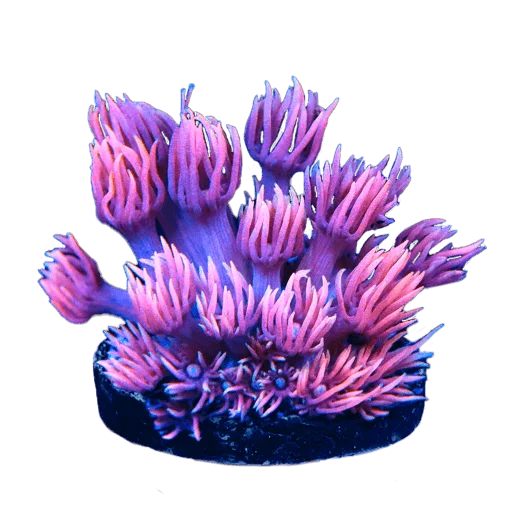
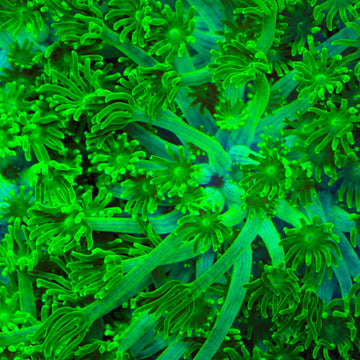
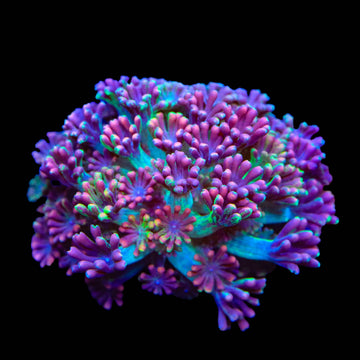
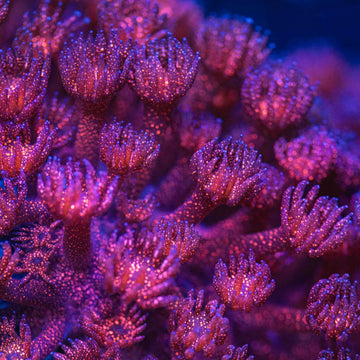
Heart Breaker Goniopora Coral shows long, daisy-like polyps with extended tentacles and a contrasting oral disc. Goniopora sp. is a long-polyp stony coral with a mound-forming skeleton; it prefers moderate light and gentle to moderate, steady water flow. It is photosynthetic via symbiotic algae but benefits from supplemental feeding of fine particulate foods, which supports growth and color stability. Place on a stable rock with room for full polyp extension and keep clear of stinging neighbors; avoid strong, direct flow that causes tissue retraction.
Quick Facts
Care
Difficult
Lighting
Moderate
Flow
Moderate Indirect
Placement
Mid–Low
Temperament
Semi-aggressive (3–4 inches spacing)
Recommended Parameters
Temp
76–80°F
pH
8.1–8.4
Salinity
1.025–1.026
Calcium
400–450 ppm
AlkAlkalinity
8–9 dKH
Magnesium
1280–1350 ppm
Feeding
photosynthetic, phytoplankton, microzooplankton, rotifers, baby brine shrimp nauplii, oyster eggs, reef roids, powdered coral foods, marine snow
Care & Placement
FAQ
Frequently Asked Questions
About the Heart Breaker Goniopora Coral
-
Why does my Heart Breaker Goniopora retract for days after looking perfect?
Extended retraction often points to unstable alkalinity or nutrient swings, abrasive flow, or irritation from vermetid snail webs. Keep dKH 7.5–8.5, NO3 5–15 ppm, PO4 0.03–0.10, and use broad, random flow that moves tentacles without folding them. Check for detritus accumulating at the base; siphon gently. An iodine dip can help after stings or minor tissue damage. -
How do I keep the vivid red coloration from fading to brown or pink?
Provide moderate PAR (120–180) with diffuse light and avoid blasting it with high blue intensity suddenly. Keep nutrients present but not excessive; higher phosphate often muddies reds. Stable trace balance matters—regular water changes and measured iron/manganese dosing (low, tested) support pigmentation. Avoid ULNS; aim for steady feeding of fine particulate foods 2–4 times weekly. -
Are there signs that my flow pattern is harming rather than helping this coral?
Yes—tentacles bending in one constant direction, bare skeleton showing on the upcurrent edge, or persistent shortened polyps. You want gentle, oscillating movement that lifts detritus without collapsing polyps. Gyre or alternating pumps on low–medium settings work well. If tissue recession appears at the base, increase intermittent flow and remove settled debris promptly. -
Can polyp bailout be salvaged, or is it a lost cause with this species?
It’s tough but possible. Collect bailed polyps in a specimen cup with tank water, very low flow, and rubble. Feed ultra-fine foods lightly, maintain pristine stability, and perform small daily water changes in the cup. Some polyps attach and regrow a skeleton over weeks. Address the trigger—rapid parameter shifts, aggressive neighbors, or injury—before reintroduction.