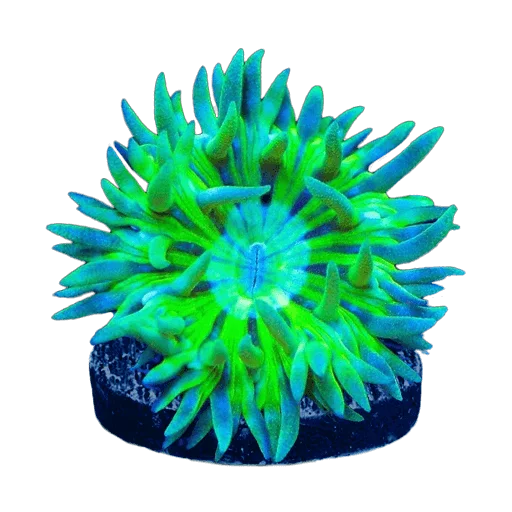
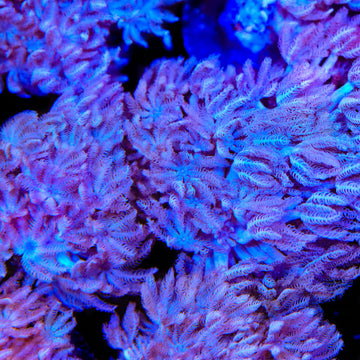
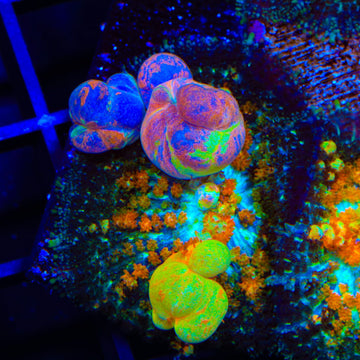
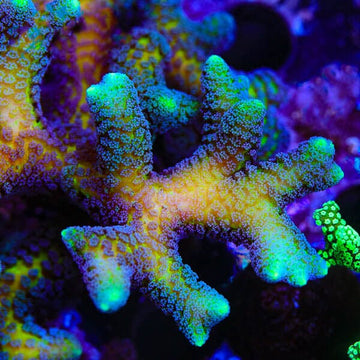
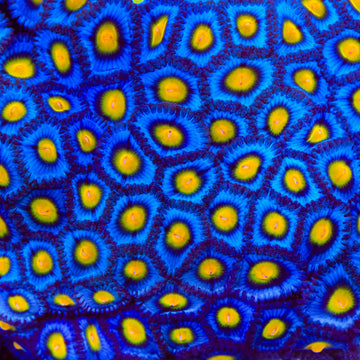
TSA Glowworm Toadstool Leather Coral
Overview
Toadstool Leather Coral forms a mushroom-like cap with long, retractable polyps. Sarcophyton sp. is a soft leather coral that does well under moderate to strong light and moderate, alternating water flow. It is primarily photosynthetic via symbiotic algae but accepts occasional small plankton or coral foods, which can support growth and polyp extension. Place it with space downcurrent from sensitive corals, as it may release allelopathic chemicals and can grow large enough to shade neighbors.
Quick Facts
Care
Easy
Lighting
Moderate–High
Flow
Moderate–High
Placement
Mid–High
Temperament
Semi-aggressive (chemical), 6–8 inches spacing
Recommended Parameters
Temp
76–80°F
pH
8.1–8.4
Salinity
1.025–1.026
Calcium
380–420 ppm
AlkAlkalinity
8–10 dKH
Magnesium
1250–1350 ppm
Feeding
photosynthetic (primary), phytoplankton, microplankton, marine snow, dissolved organics, bacterioplankton, powdered coral foods
Care & Placement
FAQ
Frequently Asked Questions
About the TSA Glowworm Toadstool Leather Coral
-
My Toadstool Leather has stayed closed and looks shiny for two weeks—normal or a problem?
Sarcophyton routinely sheds a waxy film to renew its surface, which can keep polyps retracted for days to weeks. Provide strong, varied flow to help the film slough off and avoid handling it. If you see tissue recession at the stalk/base, foul odor, or zero improvement after ~3 weeks, inspect for pests, increase aeration, run carbon, and consider an iodine dip. -
Can clownfish hosting stress a Toadstool Leather?
Yes. Persistent rubbing can keep polyps retracted and slow growth, especially on small colonies. If hosting occurs, ensure the coral is large and in moderate–strong flow so mucus and detritus don’t accumulate. Offer alternative sites (e.g., a large soft coral or surrogate) to distract the pair. Monitor for tissue abrasion; if it worsens, temporarily shield the coral or rearrange rockwork. -
The stalk is turning mushy and the coral is leaning—how do I save it?
Likely bacterial rot from trapped detritus or low flow. Increase flow around the base, siphon debris, and run fresh carbon. If rot is advancing, cut the healthy cap above the necrotic area and reattach to new rubble. An iodine dip can help. Check for leather-eating nudibranchs at night. Keep nutrients reasonable and avoid repeated moves during recovery. -
Do Toadstools release chemicals that affect nearby corals?
Yes. Sarcophyton produces allelopathic compounds that can stunt or irritate neighbors, especially SPS downcurrent. Mitigate with ample space, strong skimming, regular carbon use, and steady water changes. Place the leather where its outflow won’t bathe sensitive species. Watch for reduced polyp extension in adjacent corals; moving them or increasing chemical filtration often resolves the issue.