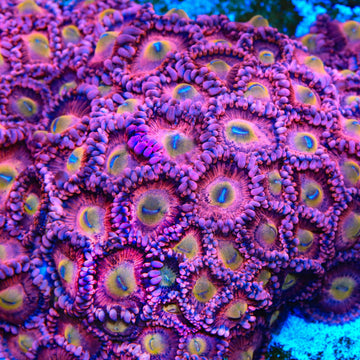
TSA Disco Mushroom Coral
Overview
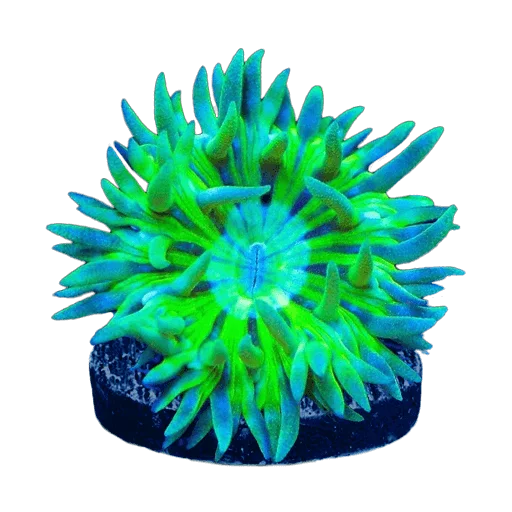
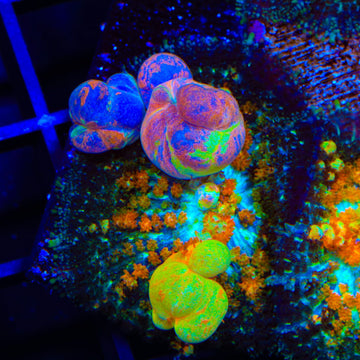
Disco Mushroom Coral shows broad, disc-shaped polyps with a slightly textured surface and a central mouth. Classified as Discosoma sp., it is a soft, mushroom-type corallimorph that does well under low to moderate light and gentle water flow. It relies mainly on symbiotic algae for energy but benefits from occasional small meaty foods, which can support faster growth and richer coloration. Place on isolated rock with space around it, as it can spread quickly and may irritate nearby corals.
Quick Facts
Care
Easy
Lighting
Low–Moderate
Flow
Low–Moderate
Placement
Low–Mid
Temperament
Peaceful (2–3 inches spacing)
Recommended Parameters
Temp
76–80°F
pH
8.1–8.4
Salinity
1.025–1.026
Calcium
380–450 ppm
AlkAlkalinity
8–10 dKH
Magnesium
1250–1350 ppm
Feeding
photosynthetic (primary), dissolved organics, microplankton, marine snow, powdered zooplankton/coral foods (e.g., Reef-Roids), occasional finely chopped mysis shrimp, brine shrimp nauplii, amino acid supplements
Care & Placement
FAQ
Frequently Asked Questions
About the TSA Disco Mushroom Coral
-
Why does my Disco Mushroom Coral inflate, deflate, or “walk” to new spots?
Discosoma can inflate/deflate to adjust light exposure and will slowly “walk” by releasing part of their foot (pedal laceration), leaving baby mushrooms behind. Sudden moves often follow light or flow changes, shading from neighbors, or parameter swings. If it detaches and floats, reduce flow, use a mesh cup with rubble to reattach, and reassess light (low–moderate PAR) and flow (gentle, indirect). -
My Disco Mushroom browned out or lost pop—how can I restore color?
Color shifts track spectrum, PAR, and nutrients. Aim for low–moderate PAR (50–120), blue-heavy spectrum, and non-zero nutrients (nitrate 5–15 ppm, phosphate 0.03–0.1). Avoid rapid light increases; use a light acclimation schedule. Too “clean” systems can dull colors or shrink discs. Stable salinity/alkalinity and occasional small meaty feedings or amino acids help recovery. -
Will Disco Mushrooms overrun the tank or harm other corals?
They spread fast via pedal laceration and can form carpets that shade or irritate neighbors. Place on isolated rock “islands” to contain them. Maintain space from SPS and delicate LPS. Run fresh activated carbon and perform regular water changes to manage chemical cues. Trim excess by cutting at the foot edge and removing fragments before they reattach downstream. -
What causes “melting” or a gaping mouth, and how do I save it?
Triggers include big parameter swings, bacterial stress, excessive light, or direct blasting flow. Move to shade with gentle, turbulent flow; stabilize temp, salinity, and alkalinity; and avoid heavy target feeding. An iodine/Lugol’s dip can help with bacterial issues. If tissue recedes, consider cutting away healthy margins to clean rubble so they can regrow while discarding necrotic parts.