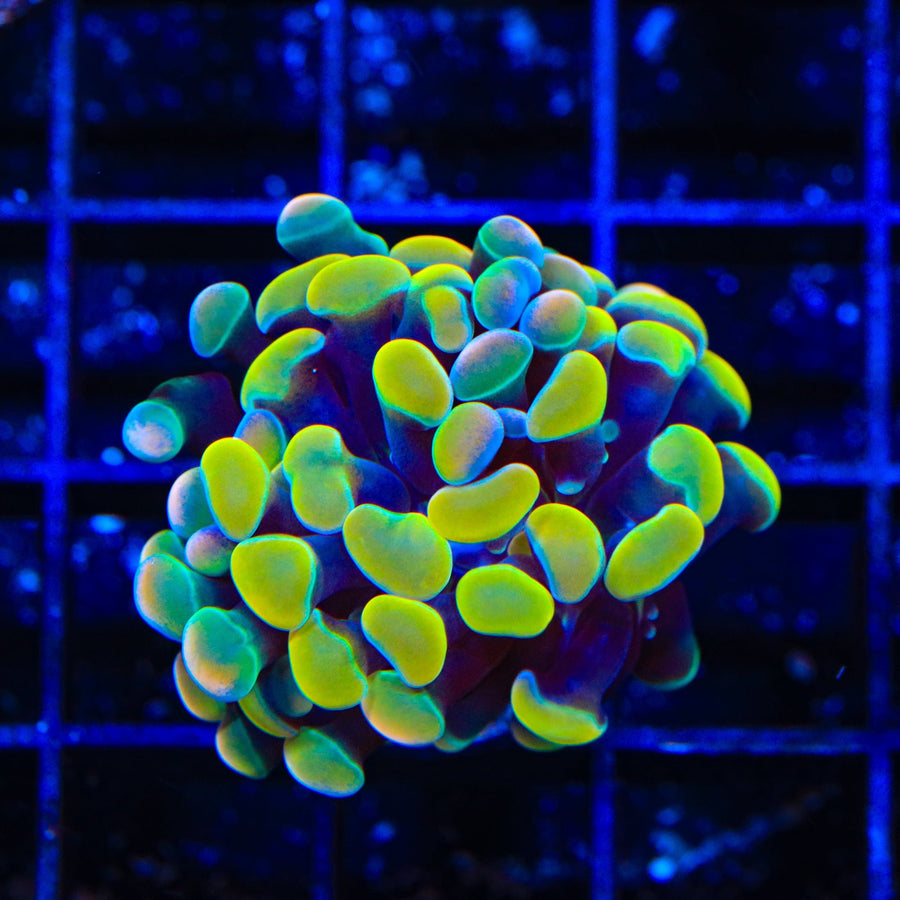
Shopping for live corals for sale online should make it easier to find healthy, well-established pieces that fit your reef—not harder to understand what you are buying. Top Shelf Aquatics offers aquacultured saltwater coral for a wide range of systems, from forgiving soft corals and beginner-friendly LPS to colorful SPS and collector-grade showpieces. The goal is to match each coral to your aquarium’s maturity, lighting, water movement, available space, and your experience level before it ever reaches your door.
Buying Live Coral Online With Confidence
The best place to buy coral online is a seller that provides more than a photograph and a price. Look for clear care guidance, accurate product images, established frags, professional livestock packing, responsive support, and a live-arrival policy you can review before ordering. Healthy coral tissue should appear intact and well attached, with no obvious recession, exposed skeleton, or nuisance pests. Product information should also explain whether the coral prefers low, moderate, or high light and flow so you can plan placement before delivery.
Our coral farm uses more than 30,000 gallons of dedicated farming systems managed by experienced reef professionals and marine biologists. Corals are observed through multiple stages for health, growth, and coloration before they are listed. Stable lighting, flow, water chemistry, and nutrition help each frag heal and establish before shipping. That process matters because a healed, aquacultured frag generally handles transport and adaptation more predictably than a freshly cut piece.
Choose the Right Coral Type for Your Reef Tank
Different coral groups create different movement, structure, and care demands. Soft corals are typically the most forgiving and are popular in newer or mixed reef systems. LPS corals have larger fleshy polyps and often thrive under moderate light and flow, although many require extra spacing because of sweeper tentacles. SPS corals build fine branching, plating, or encrusting structures and generally demand steadier alkalinity, stronger circulation, and more consistent lighting.
- Zoanthids add dense colonies of colorful button-shaped polyps and are often suitable for new reef keepers when handled safely and given moderate conditions.
- Mushroom corals are adaptable, lower-light options that spread across rockwork and bring strong color to sheltered areas.
- Torch corals provide long, flowing tentacles and dramatic movement but need generous spacing from nearby corals.
- Acropora offers intricate branching growth and intense coloration for mature systems with high light, high flow, and stable chemistry.
Match Care Level, Lighting, Flow, and Placement
Care labels are a starting point, not a substitute for watching how a coral responds. Easy corals tolerate a broader range of conditions, while moderate and difficult corals usually need tighter control of alkalinity, nutrients, temperature, and salinity. Start new arrivals lower in the aquarium or under reduced light, then increase exposure gradually. Sudden changes in intensity can bleach tissue even when the final placement would otherwise be appropriate.
Water movement should keep oxygen and nutrients circulating without blasting tissue in one direction. Soft corals and fleshy LPS often prefer low to moderate, indirect flow. Branching SPS usually benefit from stronger, turbulent flow that reaches between branches and prevents detritus from settling. Placement should also account for growth and temperament: fast-spreading Xenia or Green Star Polyps are easier to control on isolated rocks, while aggressive Euphyllia, Favia, and similar LPS need room for sweeper tentacles.
How Much Do Live Corals Cost?
Live coral prices vary with species, frag size, growth rate, coloration, rarity, aquaculture history, and how long the piece has been established. Common beginner corals and fast-growing soft corals are often more accessible, while slow-growing colonies, rare color morphs, large frags, and high-end aquacultured strains cost more. Compare the actual size, care requirements, and health of the coral—not only the lowest advertised price. A healed frag with reliable support and careful overnight packing can provide better long-term value than a cheaper, freshly cut piece.
Aquacultured Corals, Packing, and Overnight Shipping
Aquacultured coral is propagated in managed aquarium systems rather than repeatedly harvested from wild reefs. It supports a more sustainable supply chain and gives hobbyists access to corals already accustomed to captive lighting, flow, feeding, and water chemistry. Our selection includes everyday reef favorites, TSA signature strains, and rare corals for established collectors, with current availability changing as pieces grow, heal, and sell.
Livestock orders are packed by an experienced in-house team using insulated boxes, secure bags, and seasonal temperature control. Orders ship by overnight service Monday through Thursday to reduce weekend delays, and eligible shipments are covered by our live-arrival guarantee. Weather and transit conditions are reviewed before packages leave the facility. Always review the current shipping policy and arrange to receive the box promptly so acclimation can begin without unnecessary delay.
Acclimate New Coral and Prevent Reef Pests
When your order arrives, inspect the coral and packaging, confirm temperature and salinity, and follow a gradual acclimation process. Keep shipping water out of the display aquarium, use a suitable coral dip, inspect plugs and crevices, and quarantine when possible. Begin with conservative lighting and flow, then move the coral toward its intended placement as it opens and adapts. Stable parameters and patient observation are more important than making several quick adjustments at once.
For step-by-step preparation, read our coral acclimation guide and use the Reef Pest ID Guide to identify hitchhikers, algae, and common coral pests before they spread.
Keep Learning in the Education Center
Use the Top Shelf Aquatics Education Center to explore the Coral Glossary, our beginner saltwater coral care guide, and practical articles about soft, LPS, and SPS coral types, reef aquarium lighting, and water flow. These resources make it easier to compare care needs before purchase and build a placement plan that supports healthy long-term growth.