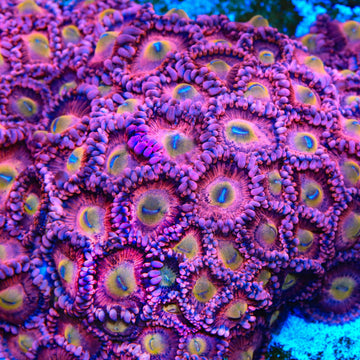
TSA Goldschlager Leptoseris Coral
Overview
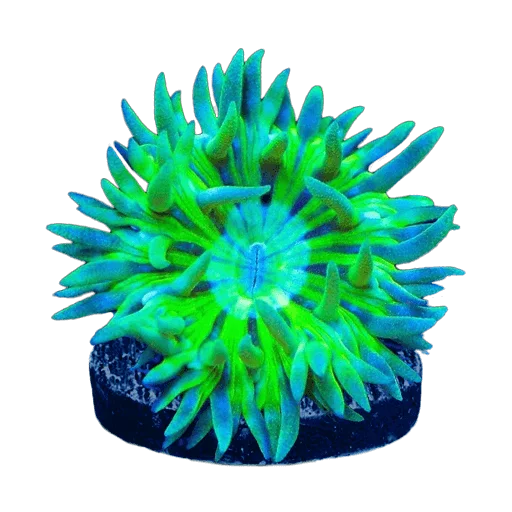
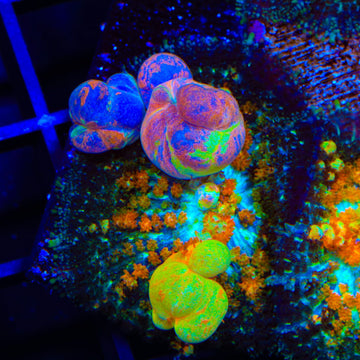
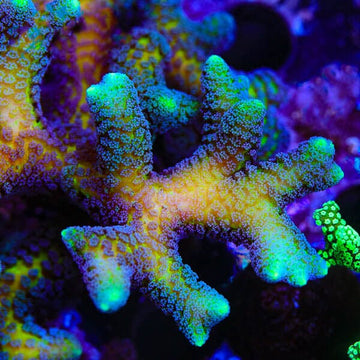
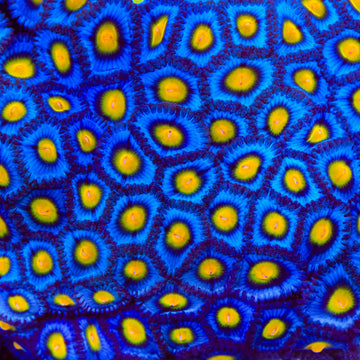
Goldschlager Leptoseris Coral shows thin, concentric plating with fine ridges and a metallic-flecked surface. Leptoseris sp. is a plating small-polyp stony coral that prefers low to moderate light and gentle to moderate water flow. It is photosynthetic through symbiotic algae and can take very small particulate foods at night to support growth and maintain color. Place it low on the rockwork, acclimate to light slowly, and leave space to prevent shading and abrasion from neighbors.
Quick Facts
Care
Moderate
Lighting
Low–Moderate
Flow
Low–Moderate
Placement
Low
Temperament
Peaceful (2–3 inches spacing)
Recommended Parameters
Temp
76–80°F
pH
8.1–8.4
Salinity
1.025–1.026
Calcium
400–450 ppm
AlkAlkalinity
8–9 dKH
Magnesium
1280–1350 ppm
Feeding
photosynthetic, phytoplankton, rotifers, oyster eggs, microplankton, powdered coral foods (e.g., Reef-Roids), marine snow
Care & Placement
FAQ
Frequently Asked Questions
About the TSA Goldschlager Leptoseris Coral
-
Why does my Goldschlager Leptoseris lose its golden sheen after a few weeks?
This coral comes from dim, deeper reefs and often washes out under bright PAR. Aim for 50–100 PAR with strong blue spectrum and gentle acclimation (screening or extended photoperiod ramp). If nutrients are ultra-low, the tissue can pale; if too high, it browns. Keep NO3 ~5–15 ppm, PO4 ~0.03–0.08 ppm, stable alkalinity, and moderate trace maintenance (especially potassium) to support fluorescence. -
My colony is receding from the center while edges look fine—what causes this?
Thin plating Leptoseris traps detritus in the center where flow stalls, leading to bacterial irritation and slow tissue loss. Increase angled, laminar flow to keep the surface clean without blasting. Gently baste the plate 2–3 times weekly. Check for sand accumulation and avoid placing it under ledges where debris falls. Stabilize alkalinity; swings often show as central recession first. -
Are there pests unique to Leptoseris I should watch for?
Look for nocturnal, camouflaged nudibranchs that match the coral’s color and lay tiny spiral egg masses on the underside. Inspect after lights out with a blue flashlight and orange filter. Manual removal plus targeted dips over several nights works best. Also watch for vermetid snails; their mucus nets irritate the thin tissue—break or epoxy over their tubes. -
What placement mimics its natural habitat and supports long-term growth?
Mount on a vertical face or underslung shelf where it can plate outward without shading itself. Keep it away from aggressive LPS sweepers; Leptoseris has short, weak stingers. Provide moderate, indirect flow to keep the surface clear. Feed fine particulate at night (reef roids, rotifers, or enriched phyto/zooplankton) 1–2 times weekly; it responds best under blue light after lights ramp down.