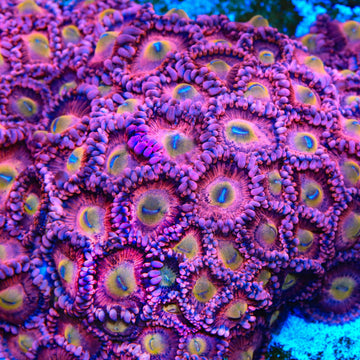
TSA Golden Maze Platygyra Coral
Overview
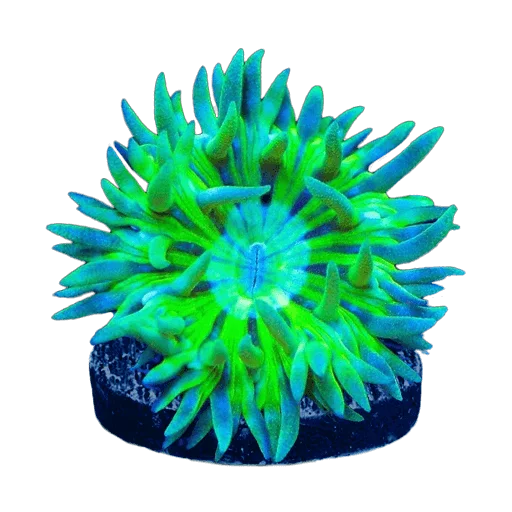
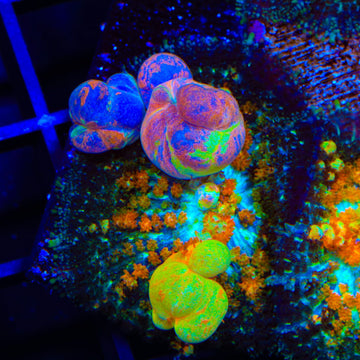
Maze Brain Coral shows winding ridge-and-valley patterns with thick walls. Platygyra daedalea is a massive stony coral (LPS) that prefers moderate lighting and low to moderate, steady flow. It is photosynthetic via symbiotic algae, but occasional small meaty foods at night can support growth and maintain color. Place with space from neighbors, as it can extend sweeper tentacles and sting nearby corals.
Quick Facts
Care
Moderate
Lighting
Low–Moderate
Flow
Moderate
Placement
Low–Mid
Temperament
Semi-aggressive (3–6 inches spacing)
Recommended Parameters
Temp
76–80°F
pH
8.1–8.4
Salinity
1.025–1.026
Calcium
400–450 ppm
AlkAlkalinity
8–10 dKH
Magnesium
1280–1350 ppm
Feeding
photosynthetic, mysis shrimp, enriched brine shrimp, copepods, finely chopped krill or shrimp, chopped clam or fish, zooplankton, microplankton, powdered coral foods (reef roids–type), LPS pellets
Care & Placement
FAQ
Frequently Asked Questions
About the TSA Golden Maze Platygyra Coral
-
Why does my Maze Brain Coral grow valleys rather than round corallites, and how does that affect placement?
Platygyra daedalea forms long, meandering valleys with shared walls, creating ridges that trap detritus. Place it where moderate, cross-flow can clear the grooves, and give the colony a slight tilt so debris slides off. Avoid sandstorms; abrasive grains can cut tissue along ridge edges and trigger recession. -
My coral’s greens glow under blues but look dull in whites—normal or a sign of stress?
Normal. This species often shows strong green fluorescence under actinic/blue spectrum while appearing muted in full-spectrum white. Maintain stable nutrients (NO3 ~5–15 ppm, PO4 ~0.03–0.08) to keep pigments. Excess nutrients can brown it; starvation can pale it. Gradually acclimate to light changes to prevent bleaching in the valleys. -
How can I target-feed this coral effectively without causing tissue recession in the valleys?
Feed small particle foods (mysis slurries, reef roids, fine chopped seafood) 1–2 hours after lights out when feeding tentacles peek from the grooves. Use a pipette to gently coat, not blast. After 10–15 minutes, lightly baste to remove leftovers so food doesn’t rot in the channels and fuel cyanobacteria or localized necrosis. -
Is P. daedalea really more heat-tolerant, and should I adjust temperature because of that?
Wild populations from hot, turbid regions show higher thermal tolerance and can survive brief spikes, but captive strains still fare best at 24–26°C. Don’t “run hot” on purpose. Instead, ensure excellent aeration and stable alkalinity during heatwaves; a small fan and extra surface agitation can prevent stress without raising temperature.