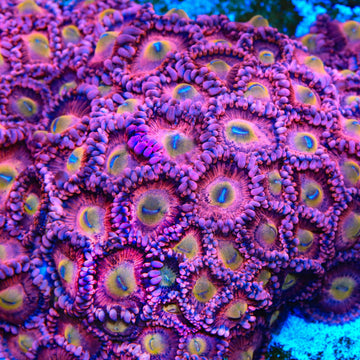
TSA Fuzzy Birdsnest Coral
Overview
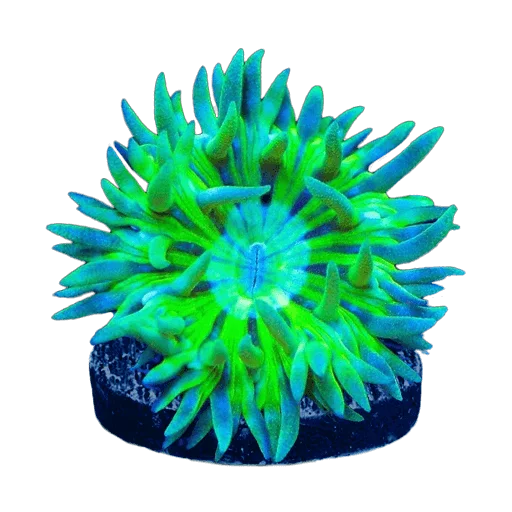
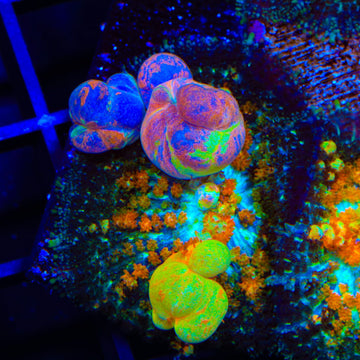
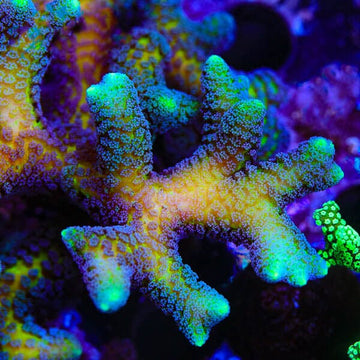
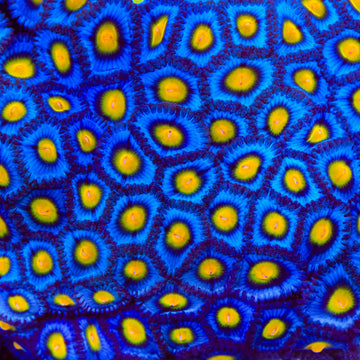
Fuzzy Birdsnest Coral has dense, delicate branchlets with fine polyps that give a fuzzy look. Seriatopora guttatus is a small-polyp stony branching coral that prefers strong light and moderate to high, turbulent flow. It relies on symbiotic algae for most nutrition but benefits from occasional small particle foods, which can support growth and maintain color. Place high on stable rockwork with space from stinging neighbors, as its thin branches are brittle and can be damaged by direct blasts.
Quick Facts
Care
Moderate
Lighting
Moderate–High
Flow
Moderate–High
Placement
High
Temperament
Semi-aggressive (6 inches spacing)
Recommended Parameters
Temp
76–80°F
pH
8.1–8.4
Salinity
1.025–1.026
Calcium
400–450 ppm
AlkAlkalinity
8–9 dKH
Magnesium
1280–1350 ppm
Feeding
photosynthetic (primary), microzooplankton, rotifers, copepod nauplii, oyster eggs, powdered coral foods (e.g., Reef-Roids), marine snow, amino acids
Care & Placement
FAQ
Frequently Asked Questions
About the TSA Fuzzy Birdsnest Coral
-
Why is my Fuzzy Birdsnest (Seriatopora guttatus) receding from the base while tips look healthy?
Base recession often stems from self-shading, low or laminar flow at the colony’s interior, or trapped detritus. Ensure strong, chaotic flow that reaches the base, maintain stable alkalinity (8–9 dKH), and keep nutrients non-zero (e.g., NO3 5–15 ppm, PO4 0.03–0.08). Gently turkey-baste the skeleton weekly. Check for gall crabs or tissue infections after parameter swings. -
How do I prevent “burnt” or pale tips on this species under strong lighting?
Shift to high PAR gradually (over 2–3 weeks), avoid straight laminar jets on branch tips, and maintain balanced nutrients to support zooxanthellae. Slightly higher phosphate often helps pigment retention. If tips still pale, reduce peak intensity or extend photoperiod instead. Verify micronutrient levels via water changes to avoid trace element depletion. -
Can different color morphs fuse or “graft,” and will colors persist side by side?
True grafting is rare; most colonies won’t fuse unless they’re the same genotype. When placed close, expect a dead zone where they meet or one outcompetes the other. Colors depend heavily on spectrum, PAR, and nutrients, so side-by-side morphs may drift in color over time even under identical conditions. -
How do I tell S. guttatus from S. hystrix, and does it matter for care?
S. guttatus typically has thicker, more rounded branches with very fuzzy daytime polyp extension; S. hystrix is more brittle with thinner, needle-like branches. Care is similar, but S. guttatus often tolerates slightly higher flow and forms denser thickets, increasing shading risk. Plan extra spacing and interior pruning for S. guttatus to prevent base loss.