TSA Fairy Dust Glitter Goniopora Coral
Overview
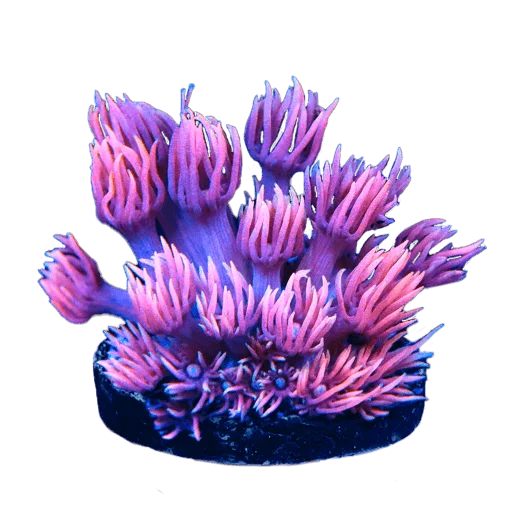
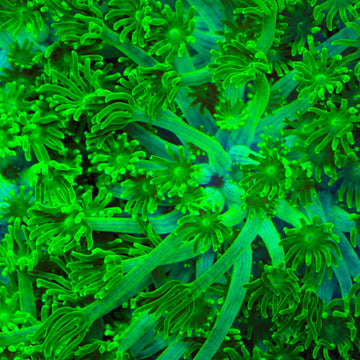
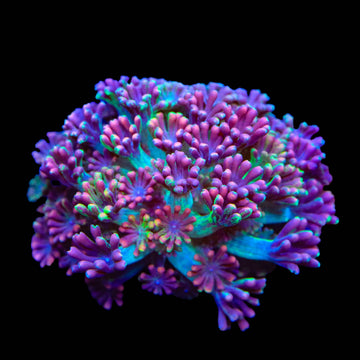
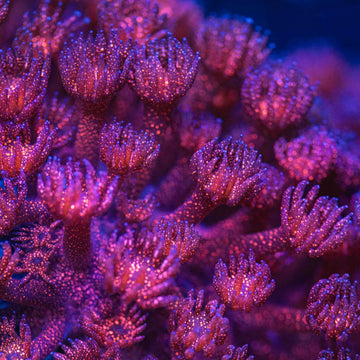
Fairy Dust Glitter Goniopora Coral shows long, daisy-like polyps with glitter-specked tips. Goniopora sp. is a stony, large-polyp coral that forms rounded colonies; it prefers moderate light and gentle to moderate, indirect flow. It is photosynthetic via symbiotic algae but benefits from small particle foods a few times per week, which can support growth and polyp extension. Place on stable rock or sand with space around it, as long polyps can be irritated by neighbors and may sting nearby corals.
Quick Facts
Care
Difficult
Lighting
Moderate
Flow
Moderate, indirect
Placement
Mid–Low
Temperament
Semi-aggressive (6–8 inches spacing)
Recommended Parameters
Temp
76–80°F
pH
8.1–8.4
Salinity
1.025–1.026
Calcium
420–450 ppm
AlkAlkalinity
8–10 dKH
Magnesium
1280–1350 ppm
Feeding
photosynthetic, microplankton, phytoplankton, zooplankton, rotifers, baby brine shrimp, cyclops, powdered coral foods
Care & Placement
FAQ
Frequently Asked Questions
About the TSA Fairy Dust Glitter Goniopora Coral
-
Why does my Fairy Dust Glitter Goniopora show great polyp extension some days and stay tight on others?
This species is highly responsive to micro-changes in flow and trace elements. Sudden increases in flow, dirty mechanical filtration, or a missed dose of iron/manganese can reduce extension. Also check for vermetid snails or nearby corals sending chemical cues. Aim for steady, cross‑current moderate flow, consistent trace supplementation, and stable alkalinity (7.8–8.4 dKH). A small evening feeding often restores extension by the next light cycle. -
How do I maintain the glitter effect and prevent color washout?
The sparkle is most vivid under blue‑biased lighting at moderate PAR (80–150). If color fades, reduce white channels slightly, increase spectrum in the 420–460 nm range, and ensure nutrients aren’t bottoming out (nitrate 5–15 ppm, phosphate 0.03–0.08 ppm). Trace metals support fluorescence; test and dose conservatively. Avoid blasting flow that causes “umbrella” polyp posture, which can stress tissue and dull appearance over time. -
What’s a smart feeding routine that doesn’t foul the tank?
Target feed 2–3 times weekly with fine particulate foods (rotifers, oyster eggs, reef-specific powders) 30–60 minutes after lights ramp down, when tentacles are most receptive. Pre‑mix with tank water and amino acids, then turn off pumps for 15–20 minutes. Alternate with live phyto on off days to support microfauna. Monitor skimmer performance after feedings and adjust cup height to prevent nutrient spikes. -
My colony recedes from the base but tips look fine—what’s the fix?
Base recession often points to bacterial issues or detritus trapping. Gently turkey‑baste the skeleton every few days, increase random flow under the colony, and perform an iodine bath. Inspect for brown jelly; if present, siphon aggressively and consider a broad‑spectrum coral dip. Stabilize alk and pH, and keep temperature swings under 1°F daily. Slightly raising nutrients from ultra‑low levels can also halt slow tissue loss.