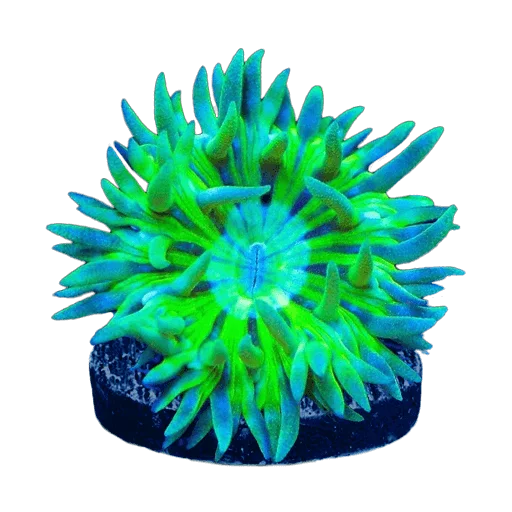
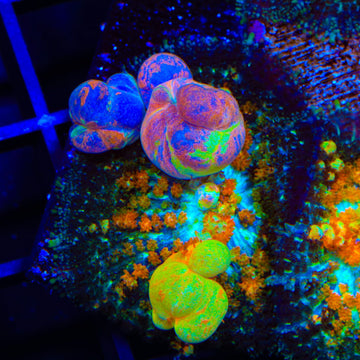
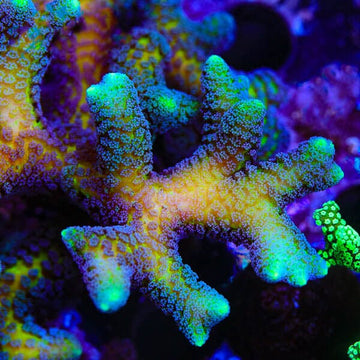
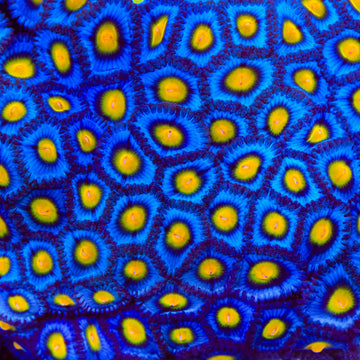
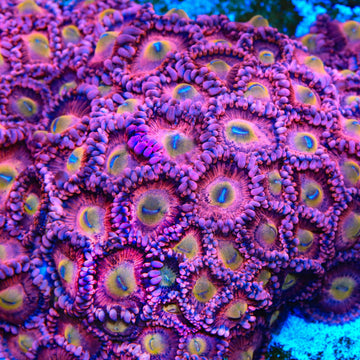
TSA Emperor Platygyra Coral
Overview
Emperor Platygyra Coral shows thick, maze-like ridges with deep valleys and fleshy polyps. Platygyra daedalea is a large-polyp stony brain coral that forms encrusting to massive colonies, preferring moderate to low light and gentle, indirect water flow. It is photosynthetic via symbiotic algae but benefits from occasional small meaty foods, which can improve growth and color. Place it on a stable surface with space around it, as nighttime sweeper tentacles can sting nearby corals.
Quick Facts
Care
Moderate
Lighting
Low–Moderate
Flow
Moderate, indirect
Placement
Low–Mid
Temperament
Aggressive (3–6 inches spacing)
Recommended Parameters
Temp
76–80°F
pH
8.1–8.4
Salinity
1.025–1.026
Calcium
400–450 ppm
AlkAlkalinity
8–10 dKH
Magnesium
1280–1350 ppm
Feeding
photosynthetic, microplankton, zooplankton, rotifers, copepods, finely minced mysis shrimp, enriched brine shrimp, powdered coral foods
Care & Placement
FAQ
Frequently Asked Questions
About the TSA Emperor Platygyra Coral
-
Why do the ridge tops on Emperor Platygyra Coral pale first when I upgrade lighting?
Platygyra daedalea has thicker tissue over ridge crests that receive the most PAR. Rapid light increases can stress symbionts there, causing localized paling while shaded valleys stay pigmented. Acclimate by reducing photoperiod/Intensity 20–30% and ramping over 2–3 weeks. Maintain stable nutrients (NO3 5–15 ppm, PO4 0.03–0.1 ppm) to avoid ultra-low conditions that exacerbate bleaching. -
How aggressive are its night sweepers, and how much space should I provide?
At night, it can extend 2–4 inch sweepers from valley margins, stinging neighbors and even itself if flow redirects tentacles. Allow 4–6 inches clearance on all sides, more downcurrent. Avoid placing delicate SPS or fleshy LPS within reach. Slightly randomized, moderate flow reduces tentacle contact time and limits detritus buildup between valleys. -
My colony’s valleys trap sediment and tissue is receding. How should I adjust flow?
In nature, P. daedalea tolerates turbid water but benefits from periodic flushing. Provide crossflow that pulses to clear valleys without flapping tissue. Aim for moderate, intermittent bursts rather than constant high velocity. Turkey baste weekly to lift fines. Check for vermetid snails; remove them, as their mucus nets irritate tissue and promote recession. -
Why did the color shift from neon green to olive after months in my system?
Spectrum and nutrients drive pigment expression. Under strong 420–460 nm with moderate PAR, greens and yellows intensify. Very low nutrients and high white channels can mute fluorescence, yielding olive tones. Slightly raise NO3/PO4 within safe ranges, increase blue/UV ratio, and feed lightly at night. Keep alk 8–9 dKH and avoid rapid swings to preserve chroma.