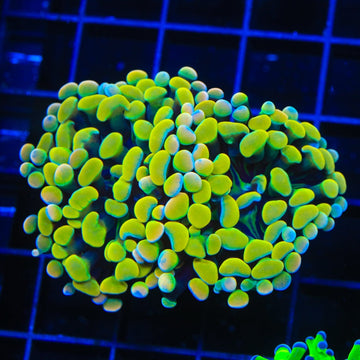
TSA Electro Hammer Coral
Overview
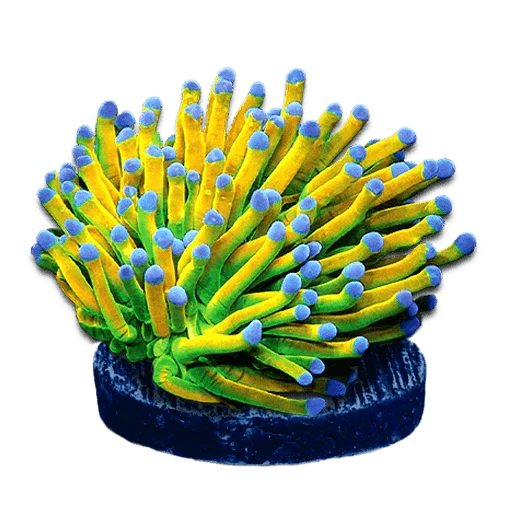
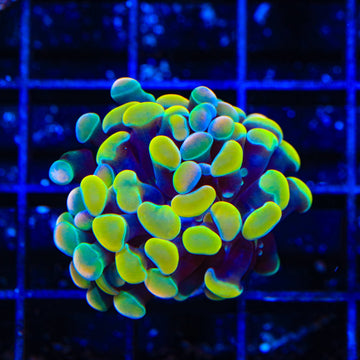
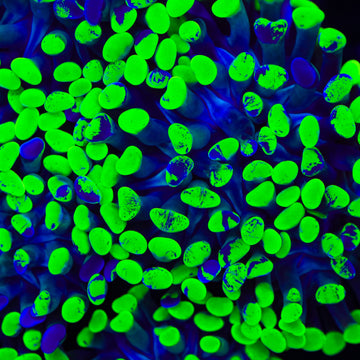
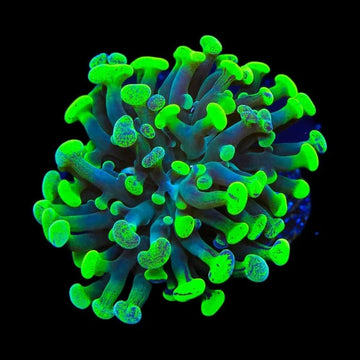
Electro Hammer Coral shows fleshy, hammer-shaped tentacle tips with branching heads. Fimbriaphyllia paraancora is a large-polyp stony coral that forms branching colonies; it prefers moderate lighting and gentle to moderate, indirect water flow. It relies on symbiotic algae for energy but accepts small meaty foods, which can support faster growth and fuller polyp extension. Place with space around it due to long stinging sweeper tentacles, and avoid contact with delicate neighbors.
Quick Facts
Care
Moderate
Lighting
Moderate
Flow
Moderate indirect
Placement
Mid–Low
Temperament
Aggressive (6–8 inches spacing)
Recommended Parameters
Temp
77–80°F
pH
8.1–8.4
Salinity
1.025–1.026
Calcium
420–450 ppm
AlkAlkalinity
8–9.5 dKH
Magnesium
1280–1350 ppm
Feeding
photosynthetic (primary), mysis shrimp, enriched brine shrimp, finely chopped meaty seafood, zooplankton, coral-specific powdered foods (e.g., Reef Roids), marine snow
Care & Placement
FAQ
Frequently Asked Questions
About the TSA Electro Hammer Coral
-
Why do the “electro” tips on my Electro Hammer Coral fade even though it’s growing?
Color often dulls when PAR is too low or nutrients are ultra-low. Aim for 80–150 PAR with a blue-heavy spectrum, and keep nitrate 5–15 ppm, phosphate 0.03–0.1 ppm. Sudden alkalinity swings also mute fluorescence. Increase light gradually over 2–3 weeks, stabilize alk 8–9.5 dKH, and avoid aggressive carbon use that strips organics too fast. -
How does Fimbriaphyllia paraancora branch and what does that mean for fragging?
It forms distinct calcified branches with individual heads that split over time. For propagation, cut the skeleton between branches well below tissue using bone cutters or a bandsaw. Avoid nicking flesh; dip frags in an iodine-based bath and provide moderate, random flow during recovery. Don’t attempt “wall-style” cuts—this species frags best by isolating full branches. -
My hammer retracts and shows stringy filaments after a flow change—normal or a problem?
Brief extrusion of mesenterial filaments after stress is common. If retraction persists, the flow is likely too laminar or strong at one angle. Switch to alternating, indirect flow that gently sways tentacles without collapsing them. Check for irritants like vermetid snails or detritus at the base; remove offenders and increase irregular turbulence to keep the skeleton clean. -
Can it sit near torches, frogspawn, or clowns that want to host it?
Give generous space. Hammers can sting other corals, and torches often outcompete and burn hammers even at a distance. Frogspawn are usually less aggressive but still risky when touching. Some clowns will host, but persistent rubbing can cause recession; only tolerate small species with a robust, multi-head colony and be ready to rehome if tissue shows wear.