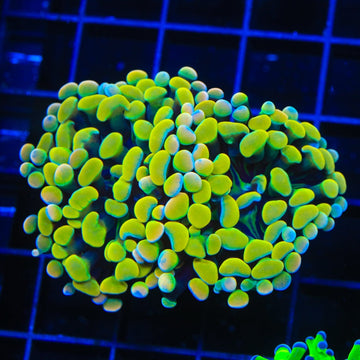
TSA Dragon Soul Torch Coral
Overview
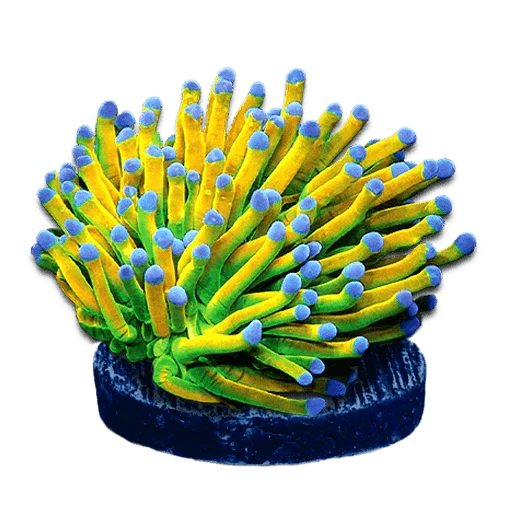
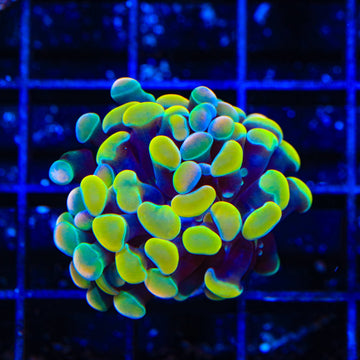
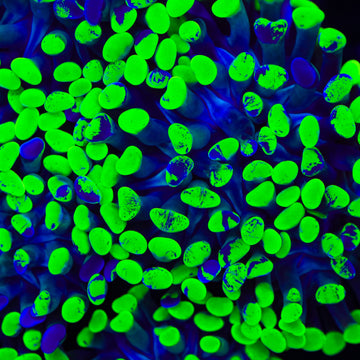
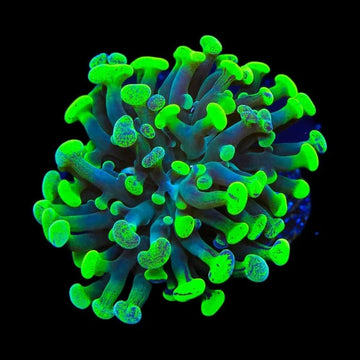
Dragon Soul Torch Coral shows long, sweeping tentacles with distinct gold and green bands and purple tips. Euphyllia glabrescens is a branching large‑polyp stony coral that prefers moderate light and moderate, indirect water flow. It is photosynthetic with symbiotic algae but will also take small meaty foods; occasional target feeding can support growth and color. Provide ample space and avoid close placement to other corals, as its tentacles can extend and sting, especially at night.
Quick Facts
Care
Moderate
Lighting
Moderate
Flow
Moderate
Placement
Mid–Low
Temperament
Semi-aggressive to aggressive (6–10 inches spacing; long sweeper tentacles)
Recommended Parameters
Temp
76–80°F
pH
8.1–8.4
Salinity
1.025–1.026
Calcium
400–450 ppm
AlkAlkalinity
8–10 dKH
Magnesium
1250–1350 ppm
Feeding
photosynthetic, mysis shrimp, enriched brine shrimp, finely chopped clam or shrimp, zooplankton/microplankton, coral-specific powdered foods
Care & Placement
FAQ
Frequently Asked Questions
About the TSA Dragon Soul Torch Coral
-
How do I keep the yellow/green “Dragon Soul” coloration from fading over time?
Prioritize blue-heavy spectrum (actinic/royal blue) with moderate white; aim for PAR ~150–250. Avoid ultra-low nutrients; keep nitrate 5–15 ppm and phosphate 0.03–0.1 ppm to prevent paling. Stable alkalinity (8–9 dKH) and balanced trace elements from regular water changes help. Light-acclimate new pieces, reduce high-intensity white spikes, and provide moderate, indirect flow to avoid tissue stress that can dull pigments. -
Can a Dragon Soul Torch touch other Euphyllia like hammers or frogspawn?
It’s notably more aggressive. Keep 6–8 inches of space and plan for nighttime sweeper extension. Avoid direct contact even with other Euphyllia; torches often dominate. Run fresh carbon and ensure good export to mitigate allelopathy in mixed gardens. If polyp tips show burn marks, increase spacing and redirect flow so tentacles don’t whip neighbors during high-flow cycles. -
Why is tissue receding from the base while tips look healthy?
Shadowed bases plus low micro-flow foster bacterial issues and vermetid irritation. Increase indirect flow around the skeleton, eliminate vermetids and sharp detritus traps, and consider slightly raising the colony for light and circulation. Keep alkalinity swings minimal (daily drift <0.3 dKH). An iodine or oxidizing dip can help early-stage recession; stabilize nutrients and avoid abrupt PAR changes during recovery. -
How does this coral actually grow and split heads, and can I speed it up?
It extends branching skeleton, then the polyp divides into multiple mouths before splitting. Growth accelerates with consistent Ca 420–460, Mg 1300–1400, and steady alkalinity, plus moderate PAR and flow. Occasional small meaty feeds or amino-rich particulate foods support tissue, but overfeeding invites issues. If tentacles become short and stubby, lower PAR or flow intensity; if overly stringy, increase gentle, random flow.