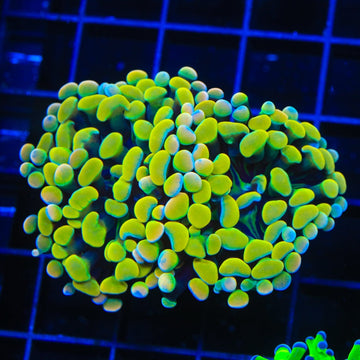
TSA Disco Hammer Coral
Overview
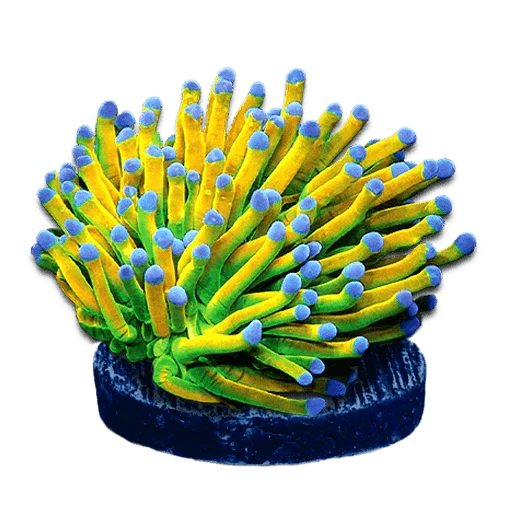
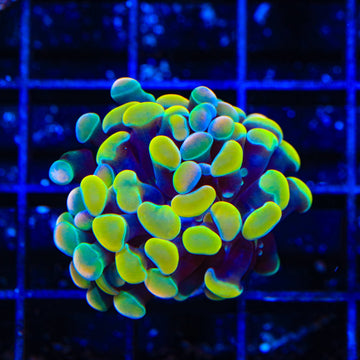
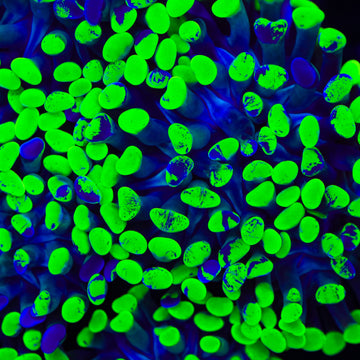
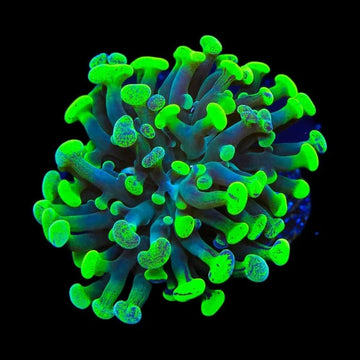
Disco Hammer Coral shows hammer- or anchor-shaped tentacle tips on a fleshy, wall-forming colony. Euphyllia ancora is a large-polyp stony coral with a continuous wall skeleton; it prefers moderate light and gentle to moderate, indirect flow. It is photosynthetic with symbiotic algae but benefits from occasional small meaty foods, which can support faster growth and fuller polyp extension. Place with plenty of space, as its sweeper tentacles can sting nearby corals, and avoid high turbulence that can tear tissue.
Quick Facts
Care
Moderate
Lighting
Moderate
Flow
Moderate, indirect
Placement
Mid–Low
Temperament
Semi-aggressive (6–8 inches spacing)
Recommended Parameters
Temp
76–80°F
pH
8.1–8.4
Salinity
1.025–1.026
Calcium
400–450 ppm
AlkAlkalinity
8–10 dKH
Magnesium
1250–1350 ppm
Feeding
photosynthetic, mysis shrimp, enriched brine shrimp, finely chopped seafood (shrimp, clam), zooplankton/microplankton, coral-specific micro foods (e.g., Reef-Roids), marine snow
Care & Placement
FAQ
Frequently Asked Questions
About the TSA Disco Hammer Coral
-
Why does my Disco Hammer Coral extend tentacles wildly at night, and how much clearance does it need?
Euphyllia ancora deploys long sweeper tentacles after lights out, often reaching 4–6 inches. This is a defensive and feeding behavior. Give it a 6–8 inch buffer from neighbors, especially torches and galaxea. If sweepers are excessive, slightly reduce turbulent flow near the tips and keep moderate nutrients; starving or irritated colonies tend to send longer sweepers. -
My wall colony is receding along a ridge—how do I stop a “creeping” tissue loss line?
Wall hammers can lose tissue in bands along the skeleton. Immediately stabilize alkalinity and temperature, increase but soften cross-flow to keep mucus from stagnating, and siphon any decay. A targeted Lugol’s or low-dose hydrogen peroxide dip can help if brown jelly is present. Inspect for vermetids or sharp skeleton edges abrading tissue and cushion the base with epoxy if needed. -
Why did my green tips fade under stronger LEDs while growth slowed?
Euphyllia ancora comes from turbid, lagoonal zones and prefers modest PAR (roughly 75–150) with blue-heavy spectrum. Sudden high PAR can bleach tips and suppress feeding. Step down intensity 15–20% and extend blue channels. Keep NO3 around 5–15 ppm and PO4 0.03–0.1 ppm; ultra-lean systems dull pigments. Offer small meaty feeds weekly until color and inflation rebound. -
How do I tell flow is right when the flesh contacts the skeleton’s ridges?
You want steady, indirect movement that keeps the mantle gently swaying without folding hard over sharp septa. Signs of too much flow: tissue creasing, drawn-back edges, or exposed skeleton during peaks. Too little: detritus on the rim, stringy mucus, or localized film. Aim cross-flow so tentacles sway in a lazy “S” and no spot gathers debris.