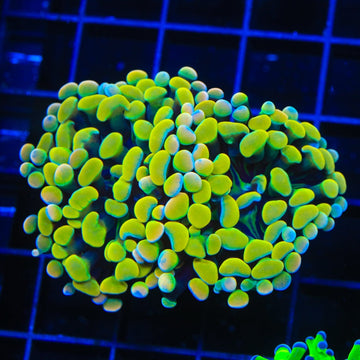
Hologram Hammer Coral
Overview
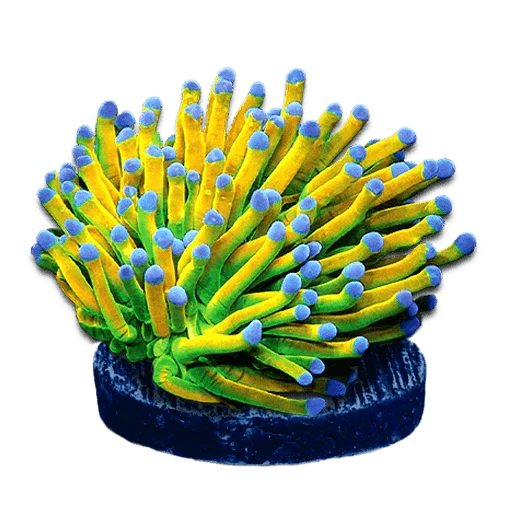
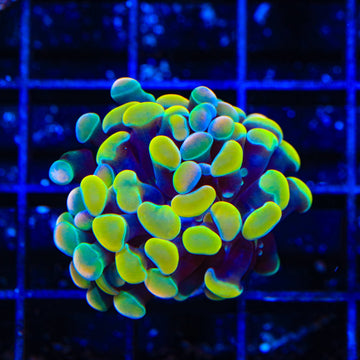
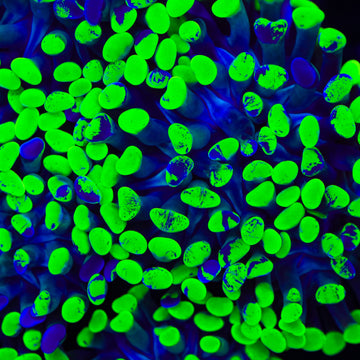
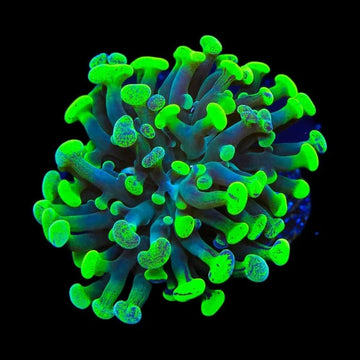
Hologram Hammer Coral displays thick, hammer-shaped tentacle tips with a meandering wall growth form. Fimbriaphyllia ancora is a large-polyp stony coral that prefers moderate lighting and gentle to moderate, indirect water flow. It relies on symbiotic algae for most nutrition but accepts occasional small meaty foods, which can support growth and fuller polyp expansion. Place it with room for expansion and keep clear of nearby corals, as its sweeper tentacles can sting neighbors.
Quick Facts
Care
Moderate
Lighting
Moderate
Flow
Moderate, indirect
Placement
Mid–Low
Temperament
Aggressive (sweeper tentacles to 6–8 inches; provide ample spacing)
Recommended Parameters
Temp
77–80°F
pH
8.1–8.4
Salinity
1.025–1.026
Calcium
400–450 ppm
AlkAlkalinity
8–10 dKH
Magnesium
1250–1350 ppm
Feeding
photosynthetic, mysis shrimp, enriched brine shrimp, finely chopped seafood, zooplankton, microplankton, powdered coral foods
Care & Placement
FAQ
Frequently Asked Questions
About the Hologram Hammer Coral
-
Why does my Hologram Hammer’s sheen look muted under my LEDs, and can I get the shimmer back?
The holographic sheen shows best under balanced blue-violet spectrum (around 420–460 nm) with moderate PAR (100–150). Oversaturated royal blue can wash out reflective pigments; intense white can bleach them. Try a gentle ramp with more violet/blue, reduce white channels mid-day, and stabilize nutrients (nitrate 5–15 ppm, phosphate 0.03–0.1). Give it two weeks—pigments rebound slowly. -
My Fimbriaphyllia ancora is receding along the “ridges.” Is this flow, lighting, or chemistry?
Wall hammers often recede where tissue bridges sharp skeleton. Common triggers: direct laminar flow causing micro-tears, sudden alkalinity swings, or shadowed ridges under high PAR edges. Shift to indirect, pulsing flow, keep alk 8–9 dKH with <0.2 dKH daily swing, and tilt the colony slightly to even out light. Inspect for brown jelly; if present, siphon, iodine dip, and increase aeration. -
Are clowns or shrimps safe to host in this coral?
Occasional clownfish or cleaner shrimp “visits” are fine, but persistent hosting can stress tissue, especially during acclimation or after fragging. Look for excessive mucus or deflation cycles. Provide an alternative host (e.g., a large leather or anemone substitute) and raise flow slightly to discourage lingering. Nighttime sweeper tentacles can also sting intruders—monitor for nipped tips or sudden retraction. -
My hammer inflates during the day but deflates and exposes skeleton at night—normal or a stress sign?
Mild nightly deflation is normal as it shifts energy and extends short sweepers. Sharp, prolonged deflation with gaping mouths suggests stress: temperature dips, pH swings, or pests (e.g., flatworms). Check night pH and temp stability, run a brief red-light inspection, and consider a targeted amino/iodine dip if tissue appears irritated. Adjust flow to a gentle, rhythmic sway.