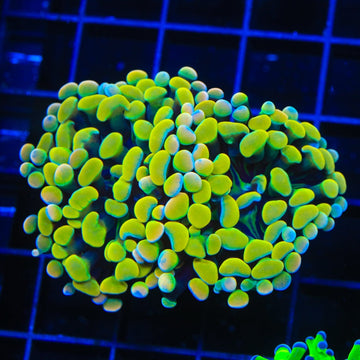
High Beam Torch Coral
Overview
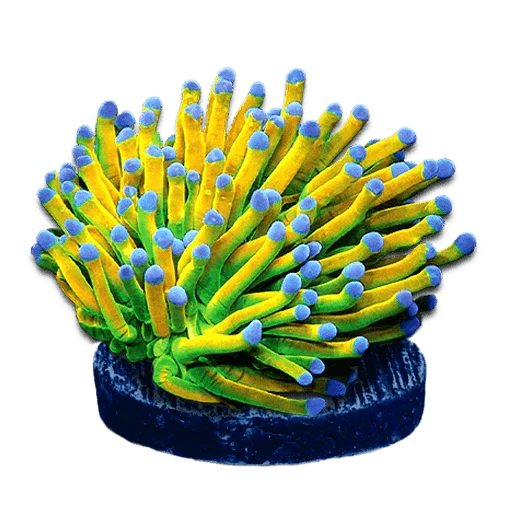
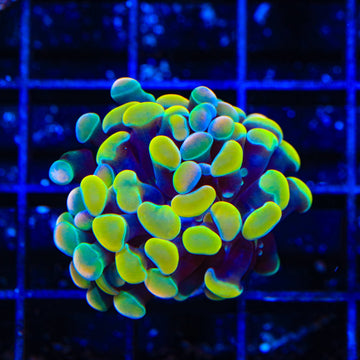
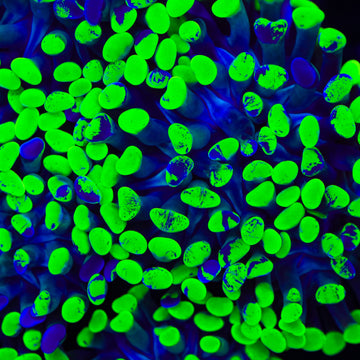
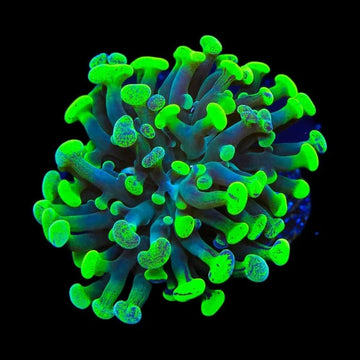
High Beam Torch Coral shows long, flowing tentacles with bright, contrasting tips. Euphyllia glabrescens is a branching large-polyp stony coral that prefers moderate light and moderate, indirect water flow. It relies on symbiotic algae for energy but benefits from occasional small meaty foods, which can improve growth and color. Give it ample space and avoid contact with other corals, as its sweeper tentacles can sting neighbors.
Quick Facts
Care
Moderate
Lighting
Moderate–High
Flow
Moderate, indirect
Placement
Mid–Low
Temperament
Aggressive (8–10 inches spacing)
Recommended Parameters
Temp
78–80°F
pH
8.1–8.4
Salinity
1.025–1.026
Calcium
400–450 ppm
AlkAlkalinity
8–10 dKH
Magnesium
1250–1350 ppm
Feeding
photosynthetic, mysis shrimp, brine shrimp, finely chopped seafood (krill, clam), copepods, rotifers, microplankton, reef-specific powdered coral foods
Care & Placement
FAQ
Frequently Asked Questions
About the High Beam Torch Coral
-
Why does my High Beam Torch Coral extend extremely long sweepers at night, and how far should I place neighbors?
Euphyllia glabrescens can deploy 6–10 inch sweepers after lights out, especially in higher flow or when detecting nearby corals. This is normal territorial behavior, not a stress sign. Give 8–12 inches of clearance downcurrent. Keep delicate LPS and zoas out of reach. If sweepers lengthen suddenly, reassess flow direction and ensure no stinging competition is upcurrent. -
My torch receded in an ultra-clean system despite stable alk and calcium—what’s the fix?
Torches dislike near-zero nutrients. Aim for NO3 around 5–15 ppm and PO4 0.03–0.1 ppm. Increase feeding to fish, reduce oversized skimming, or lengthen refugium photoperiod gradually. Keep alk steady (7.5–9 dKH) while nutrients rise; pairing high alk with very low nutrients often triggers tissue loss. Expect improved inflation within 1–2 weeks. -
How do I prevent and treat brown jelly on a damaged torch head?
Act fast. Isolate and frag away affected tissue at least 5–10 mm into healthy skeleton. Rinse fragments in clean, heated saltwater, then use an iodine-based dip per label. Increase turbulent flow around remaining heads to deter stagnation. Siphon any visible slime. Check for recent swings, stings, or bacterial sources; maintain stable temp and avoid handling flesh. -
What flow and spectrum bring out the brightest “high beam” look without causing tissue whip?
Use moderate, random flow that keeps tentacles swaying, not folding. Aim PAR 120–200 with a blue-heavy spectrum (peaks near 420–460 nm). Avoid sudden PAR jumps; ramp 10–20% weekly. If tentacle tips string out or flesh recedes on the skeleton, reduce direct blasts. Slightly higher flow than hammers/frogspawns is usually ideal for this species.