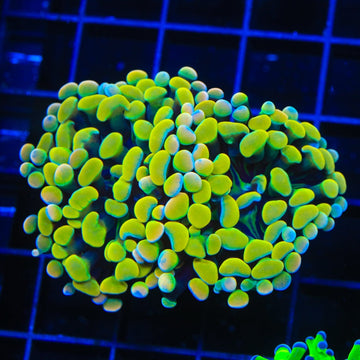
Green Hammer Coral
Overview
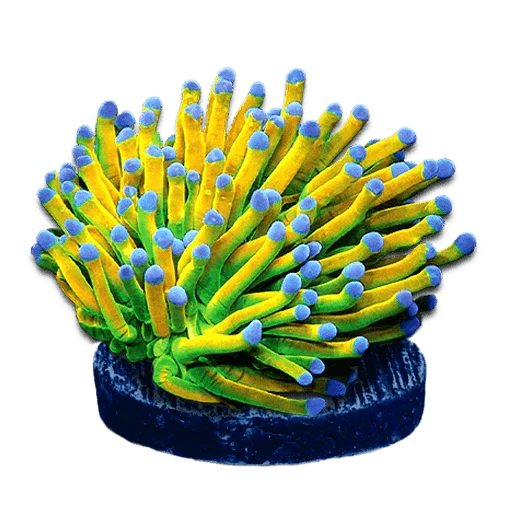
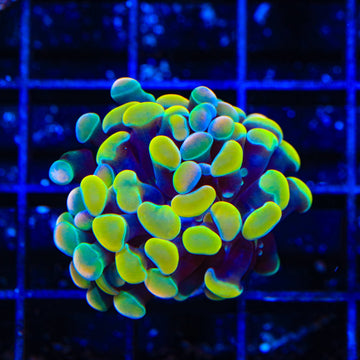
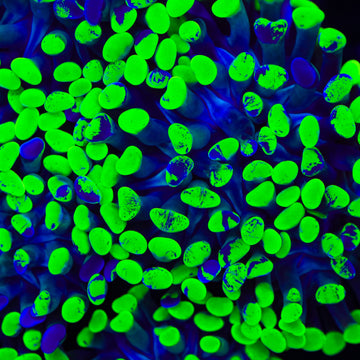
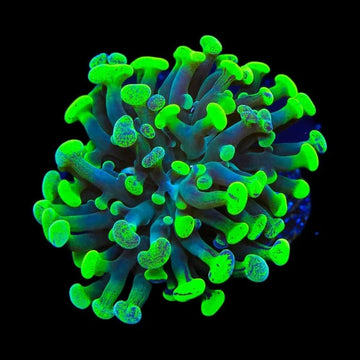
The Green Hammer Coral features bright green, hammer-shaped tips on branching polyps. Fimbriaphyllia paraancora is a large-polyp stony branching coral that prefers moderate light and gentle to moderate, indirect water flow. It relies on symbiotic algae for most nutrition but benefits from occasional small meaty feedings to support growth and maintain color. Place it with ample space due to stinging sweeper tentacles, and avoid strong, direct flow that collapses the polyps.
Quick Facts
Care
Moderate
Lighting
Moderate
Flow
Moderate, indirect
Placement
Mid–Low
Temperament
Aggressive (6–8 inches spacing)
Recommended Parameters
Temp
76–80°F
pH
8.1–8.4
Salinity
1.025–1.026
Calcium
400–450 ppm
AlkAlkalinity
8–10 dKH
Magnesium
1280–1350 ppm
Feeding
photosynthetic, mysis shrimp, enriched brine shrimp, finely chopped shrimp or clam, zooplankton, microplankton, coral-specific powders (e.g., Reef Roids), marine snow
Care & Placement
FAQ
Frequently Asked Questions
About the Green Hammer Coral
-
How can I safely frag Green Hammer Coral (Fimbriaphyllia paraancora) given its branching skeleton?
Target the hard skeleton between distinct branches using bone cutters or a coral saw—never through living tissue. Dip frags in iodine to reduce bacterial risk, place in moderate, indirect flow, and lower light for a week to heal. Avoid handling fleshy heads. If skeleton dust contacts tissue, gently baste it off to prevent irritation and recession. -
My hammer’s tips are receding or turning brown—what’s the likely cause?
Direct, high flow can cut tissue on branch edges, and alk swings often trigger recession. Aim for random, moderate flow, maintain alk 8–9 dKH, Ca 420–460 ppm, Mg 1300–1400 ppm, and keep nitrate 5–15 ppm with detectable phosphate. If brown jelly appears, frag away affected branches, perform an iodine dip, and increase aeration and export. -
Why did the vivid green fade under my lights, and how can I regain it?
Greens wash out under high white or excessive PAR. Target 80–150 PAR with a blue-leaning spectrum (heavy 420–470 nm). Avoid ultra-low nutrients; mild nitrate and phosphate support pigments. Trace elements matter, but stability beats dosing experiments—correct salinity and alk first. Expect color to rebound over weeks, not days, after adjustments. -
Are torches or clownfish a problem for this coral?
Torches (F. glabrescens) are more aggressive; keep 6–8 inches distance minimum, more in high flow. Hammers tolerate many LPS, but nighttime sweepers can still sting neighbors. Persistent clownfish hosting often bruises tissue and invites infection; provide a substitute (e.g., large Euphyllia with thicker tentacles or a nem) and redirect flow to discourage hosting.