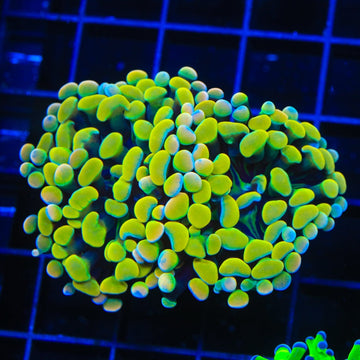
Glow Tip Hammer Coral
Overview
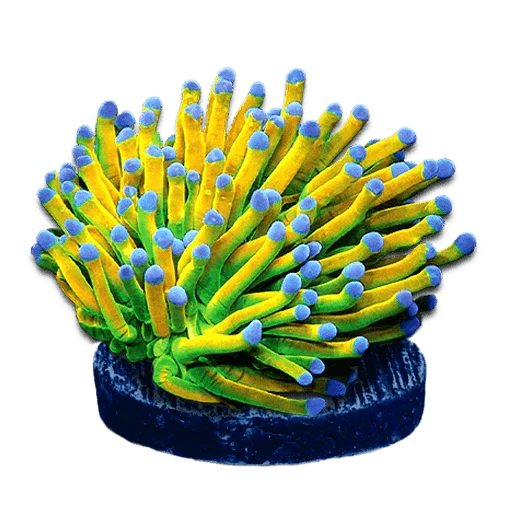
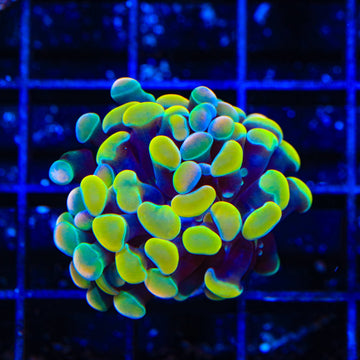
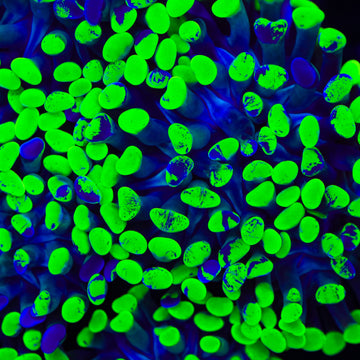
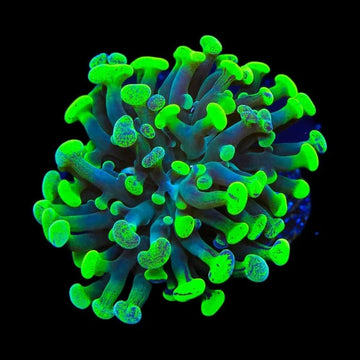
Glow Tip Hammer Coral shows branching heads with hammer- or anchor-shaped tentacles tipped in bright color. Fimbriaphyllia paraancora is a branching large-polyp stony coral that prefers moderate light and gentle to moderate, indirect water flow. It relies on symbiotic algae for energy but benefits from occasional small meaty foods, which can support growth and maintain color. Give it ample space from other corals due to stinging sweeper tentacles and place it where polyps can move without rubbing on rockwork.
Quick Facts
Care
Moderate
Lighting
Moderate
Flow
Moderate indirect
Placement
Mid–Low
Temperament
Semi-aggressive (6–8 inches spacing)
Recommended Parameters
Temp
76–80°F
pH
8.1–8.4
Salinity
1.025–1.026
Calcium
400–450 ppm
AlkAlkalinity
8–9 dKH
Magnesium
1280–1350 ppm
Feeding
photosynthetic, mysis shrimp, enriched brine shrimp, finely chopped shrimp or krill, copepods, rotifers, zooplankton, LPS-specific coral foods
Care & Placement
FAQ
Frequently Asked Questions
About the Glow Tip Hammer Coral
-
How does Fimbriaphyllia paraancora differ from branching hammers in care and growth?
It’s a wall-forming hammer, growing as a continuous ridge rather than separate heads. That makes it slower to recover from damage and far riskier to frag. Give moderate, indirect flow that moves the tentacles gently, and light in the ~80–150 PAR range. Avoid sharp swings in alkalinity and temperature; a single recession can track along the wall and threaten the entire colony. -
My Glow Tip Hammer’s tips faded from neon to pastel—what’s the likely cause?
Most often spectrum and nutrient balance. Blue/violet-heavy lighting (around 420–470 nm) sustains fluorescence, but high PAR or rapid changes can wash color. Keep NO3 ~5–15 ppm, PO4 ~0.03–0.1 ppm, and stable alk/Ca/Mg. Regular trace replenishment (iodine, manganese, iron) helps. Light-acclimate slowly over 2–3 weeks to prevent photobleaching. -
How should I respond to brown jelly or a fast recession line on the wall?
Act immediately: isolate flow to prevent spread, gently siphon decay, then do an iodine dip. Increase oxygenation and steady temperature. If the necrosis advances, a precision cut with a diamond saw ahead of the dead tissue can save the healthy section; seal the cut edge with thick gel glue or putty. Follow with fresh carbon and larger, clean-flow turnover. -
Can this coral touch other hammers or frogspawn without stinging?
Sometimes related species show partial tolerance, but stings still happen—especially at night when sweepers extend 2–4 inches. Give 3–6 inches of space and avoid direct, bouncing flow that whips tentacles into neighbors. Run high-quality carbon and maintain regular water changes to reduce chemical warfare. Watch for subtle burn lines or retracted tissue and adjust placement promptly.