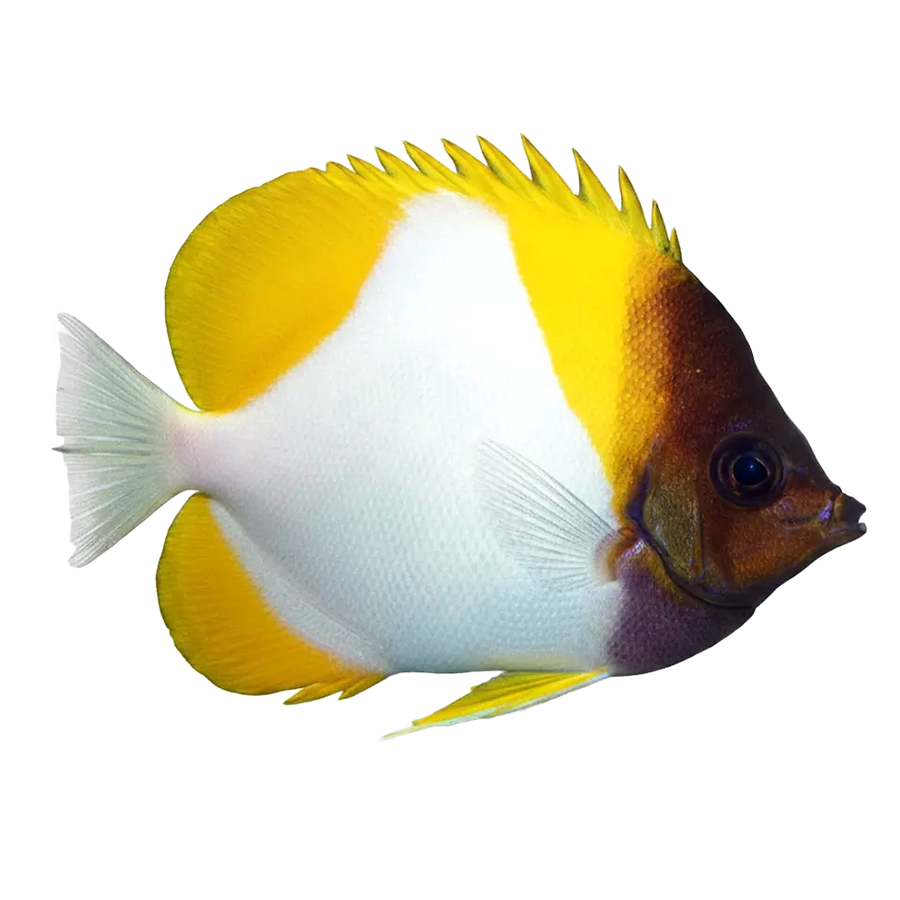
Pakistan Butterflyfish saltwater fish care guide

Overview:
The Pakistan Butterflyfish, also known as Chaetodon collare, is a visually striking species native to the Indo-Pacific region, particularly around Pakistan and the Maldives. This species thrives in well-established marine aquariums with a minimum size of 75 gallons to accommodate their active swimming nature. Ideal water conditions include a temperature range of 72-78°F, a pH of 8.1-8.4, and specific gravity between 1.020-1.025. They require a well-aerated environment with plenty of live rock for grazing and hiding. The tank should mimic their natural coral reef habitat, providing ample crevices and overhangs. Moderate to strong water movement is recommended to simulate ocean currents.

Compatibility:
When considering tankmates for the Pakistan Butterflyfish, it is essential to choose species that are peaceful and non-aggressive. They can coexist with other non-territorial fish, such as tangs, gobies, and certain wrasses. However, they may exhibit territorial behavior towards other butterflyfish or similar-shaped species, so it's advisable to introduce them to the tank last. Avoid housing them with aggressive or predatory fish that may stress or harm them. Providing ample space and hiding spots can help reduce territorial disputes and promote a harmonious community tank.

Health and Quarantine:
Pakistan Butterflyfish are susceptible to common marine diseases such as ich and marine velvet, making quarantine an essential step before introducing them to the main tank. A quarantine period of 2-4 weeks allows for observation and treatment of any potential health issues. Regular monitoring of water parameters and maintaining high water quality are vital for preventing stress-related illnesses. A varied diet rich in vitamins and nutrients supports a robust immune system. Regular health checks and prompt treatment of any signs of disease, such as changes in behavior or appearance, are crucial for maintaining their well-being.

Nori Mysis Finely Chopped Seafood
Pakistan Butterflyfish exhibit graceful swimming, often gliding through coral reefs. They are generally solitary or found in pairs, displaying some territorial behavior, especially when breeding. They may become aggressive towards similar species or those with similar color patterns. However, they can coexist peacefully with non-aggressive fish of different species. They are best kept with other peaceful, non-competitive species in an aquarium setting. Their territorial nature may require ample space and hiding spots to minimize stress and aggression.

FAQ

Frequently Asked Questions

About the Pakistan Butterflyfish

  • How difficult is it to get a Pakistan Butterflyfish eating in captivity, and what feeding strategy works best during the first few weeks?
    Pakistan Butterflyfish (Chaetodon collare) can be reluctant feeders at first, especially wild-caught individuals that are used to grazing on coral polyps and small benthic invertebrates. For the first 1–2 weeks, offer a wide range of foods multiple times per day: frozen mysis shrimp, enriched brine shrimp, finely chopped clam or mussel, and high-quality frozen “angel & butterfly” blends with sponge and algae content. Start with foods that move in the current to trigger a natural response; using a turkey baster or pipette to gently “drift” food past their snout often helps. You can also rubber-band sheets of nori or softened clam meat to a rock to mimic grazing. Once the fish consistently eats frozen foods, you can gradually introduce high-quality small pellet and flake foods, but keep frozen as the main staple. Strong competition from aggressive feeders makes it harder to get them started, so it’s best to feed them first, with pumps turned down or off for a few minutes so the food stays in their zone.
  • Are Pakistan Butterflyfish reef safe with corals and invertebrates, and which specific corals are at highest risk?
    Pakistan Butterflyfish are generally not considered reef safe. They are prone to pick at fleshy large-polyp stony corals (LPS) such as Trachyphyllia, Lobophyllia, Scolymia, Acanthastrea, and Euphyllia species, and will also sample many soft corals, especially Zoanthids and Palythoa. Small-polyp stony corals (SPS) like Acropora and Montipora may fare slightly better but are still at risk, particularly if the fish is underfed. They may also nip at clam mantles (Tridacna spp.) and occasionally feather duster worms and ornamental tube worms. Cleaner shrimp and snails are usually ignored once the fish is well fed, but there is no guarantee. If you try them in a coral tank, be prepared for gradual “testing” behavior: the fish might leave corals alone for weeks and then start nipping, especially at new or stressed pieces.
  • Can you keep Pakistan Butterflyfish in pairs or groups, and how do you select compatible individuals to reduce aggression?
    Pakistan Butterflyfish are often seen in pairs in the wild and can be kept as a pair in larger aquariums, ideally 125 gallons (475 liters) or more. To form a compatible pair, the safest method is to acquire two individuals of noticeably different size at the same time, then introduce them together into a tank with plenty of rockwork and hiding places. Avoid adding a second Pakistan Butterfly to an established individual’s territory in smaller tanks; the resident may harass the newcomer. Watch for sustained chasing, flared fins, and biting that causes fin damage—brief displays are normal, but persistent aggression means the pair is not compatible. Groups of three or more are only advisable in very large, heavily aquascaped tanks (250+ gallons), as subdominant fish can be bullied relentlessly if there isn’t enough space or cover.
  • What tank conditions and aquascape style suit Pakistan Butterflyfish best, especially regarding swimming space vs. hiding places?
    Pakistan Butterflyfish are active midwater swimmers that still rely heavily on structure for security. A minimum of 100–120 gallons (380–450 liters) is recommended for a single adult, with a longer tank footprint (at least 4–5 feet) more important than height. Create one or two substantial rock “reefs” with multiple arches, caves, and ledges that run from mid-height to the bottom, leaving open swimming lanes along the front and top of the tank. They prefer moderate, varied flow that allows them to cruise steadily without being blasted; alternating flow from wavemakers works well. Provide dimmer areas or overhangs, as these fish feel safer and color up better when they have shaded retreats. Stable parameters are critical: temperature 24–27°C (75–81°F), salinity 1.023–1.025, and low nutrients (nitrate under ~20 ppm, phosphate under ~0.1 ppm). These conditions help prevent stress and associated disease issues like marine ich and flukes.
  • How well do Pakistan Butterflyfish coexist with other marine fish, and which tankmates are best or should be avoided?
    Pakistan Butterflyfish are semi-aggressive to peaceful and generally do well with similarly sized or slightly larger community marine fish, as long as they are not overly boisterous or predatory. Good tankmates include tangs (Zebrasoma, Ctenochaetus), peaceful wrasses (Halichoeres, fairy and flasher wrasses), dwarf and medium angels (with caution for coral tanks), anthias, chromis, and peaceful to moderately assertive clownfish. Avoid very aggressive species such as large triggerfish, big damselfish, and large dottybacks, which can harass them, as well as predatory fish like lions and groupers that might see a smaller specimen as prey. Other butterflyfish can be kept with them, but it’s best to avoid very similar-looking Chaetodon species to reduce territorial disputes. Always add more timid species like the Pakistan Butterfly before the most assertive tankmates whenever possible, and provide enough rockwork to break line-of-sight so subdominant fish can retreat.