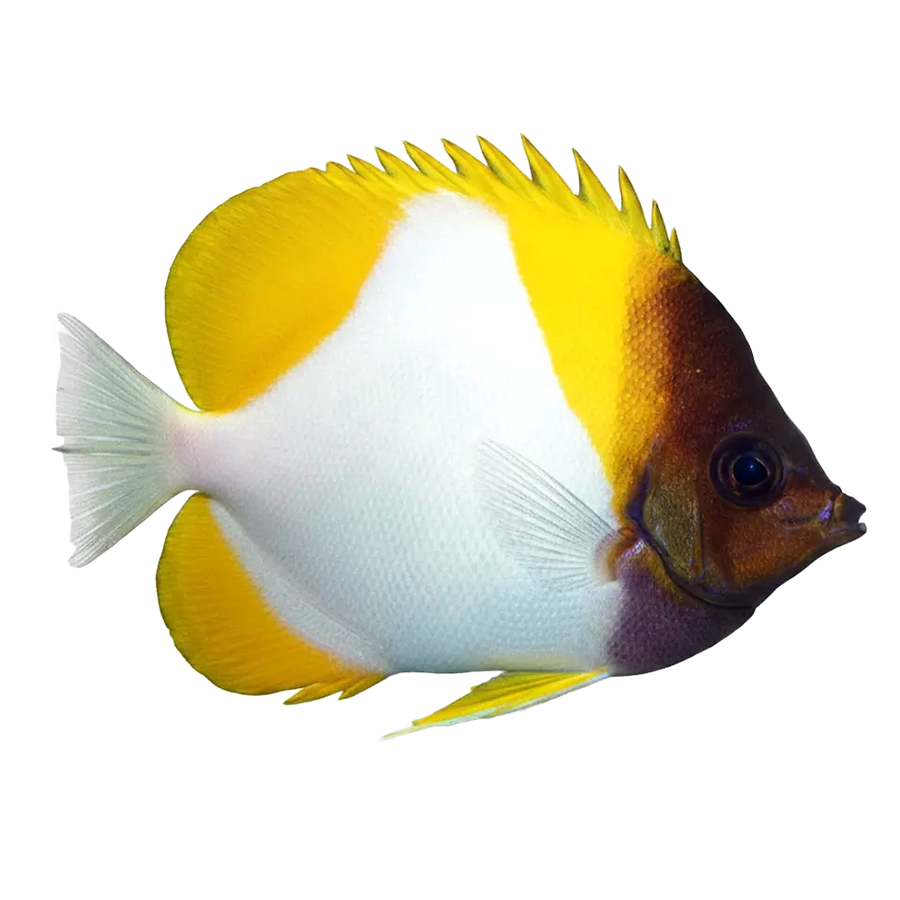
Klein’s Butterflyfish saltwater fish care guide

Overview:
Klein's Butterflyfish (Chaetodon kleinii) is a resilient species ideal for intermediate aquarists. They thrive in well-established marine aquariums with a minimum size of 75 gallons. Optimal water conditions include a temperature range of 72-78°F, pH levels between 8.1-8.4, and specific gravity of 1.020-1.025. A tank with ample live rock provides necessary grazing surfaces and hiding spots, mimicking their natural reef habitat. Moderate water movement and efficient filtration are crucial to maintain water quality.

Compatibility:
Klein's Butterflyfish are generally peaceful but may exhibit territorial behavior towards other butterflyfish. They are best kept with non-aggressive tankmates such as clownfish, gobies, and tangs. Avoid housing them with overly aggressive species or those that may outcompete them for food. If introducing multiple butterflyfish, ensure the tank is large enough to accommodate their territorial needs, and introduce them simultaneously to reduce aggression.

Health and Quarantine:
Regular monitoring and preventive care are vital for maintaining the health of Klein's Butterflyfish. Quarantine new arrivals for 2-4 weeks to observe for signs of disease and to acclimate them to captive conditions. Common health issues include marine ich and bacterial infections, often due to stress or poor water quality. Maintain pristine water conditions and provide a balanced diet to bolster their immune system. Regularly inspect for signs of distress or illness, such as changes in behavior or appearance, and address any issues promptly.

Nori Mysis Finely Chopped Seafood
Klein’s Butterflyfish exhibits agile and graceful swimming, often seen gliding through coral reefs. It is generally peaceful, forming pairs or small groups. This species displays moderate territoriality, defending its chosen area but not aggressively. It coexists well with other non-aggressive fish, though it may become stressed if housed with more dominant or aggressive species. Klein’s Butterflyfish can be shy at first but becomes more confident once acclimated, often exploring its environment actively.

FAQ

Frequently Asked Questions

About the Klein’s Butterflyfish

  • Can Klein’s butterflyfish be safely kept in a mixed reef, and which specific corals are they most likely to nip at or ignore?
    Klein’s butterflyfish are generally not reef-safe. They are especially drawn to soft corals (Xenia, Clove polyps, Green star polyps, Kenya tree), some large-polyp stony corals (Euphyllia, Duncan, Trachyphyllia), and zoanthids/palythoa. They often leave most SPS (Acropora, Montipora, Pocillopora) relatively untouched, though there are exceptions, especially if they are underfed. Leathers (Sarcophyton, Sinularia) may be hit-or-miss. They also commonly pick at feather duster worms and tube worms, and may nip clam mantles. If tried in a reef, owners usually accept that certain softies, fleshy LPS, and decorative worms may be sacrificed, and they keep the fish well-fed with frequent small feedings to minimize coral grazing.
  • How can I transition a wild-caught Klein’s butterflyfish that only pecks at rock into reliably eating prepared foods in captivity?
    Start by offering live foods that trigger feeding: live blackworms, live brine shrimp, or live copepods in a calm, low-flow area. At the same time, rubber-band sheets of dried nori to small rubble pieces and wedge them into rock crevices so the fish can graze naturally. Next, mix live food with frozen mysis, chopped clam, or enriched brine in a feeding dish or small container placed on the substrate; gradually reduce the live portion over several days. Many respond well if food is presented near the rock and you avoid sudden movements. Soak frozen foods in garlic extract or amino acid supplements to increase interest. Once it’s taking frozen regularly, you can add finely chopped seafood mix and high-quality small pellets (e.g., 0.8–1.2 mm) soaked briefly so they sink. Feed small amounts 3–4 times daily at first, then taper as the fish’s body weight and behavior stabilize.
  • What minimum tank size and aquascape layout are recommended for a single Klein’s butterflyfish to minimize stress and aggression in a community marine tank?
    A single adult Klein’s butterflyfish should have at least a 75-gallon tank, with 4 feet of length as a baseline. More length (5–6 feet) is preferred if you plan to keep it with other active swimmers or multiple semi-territorial species. Aquascaping should prioritize open swimming space along the front and center with two main “reef bommies” or rock piles that reach mid-height or higher, forming caves, overhangs, and arches. Avoid a single massive wall of rock; instead, create line-of-sight breaks and multiple escape paths. This layout lets the butterfly retreat quickly when startled while still patrolling open areas for food. Include some vertical structures near the back to give it a sense of security and allow it to “graze” on rock surfaces. Stable, mature live rock with natural films and sponge growth gives it more to pick at and reduces stress in new arrivals.
  • Why do Klein’s butterflyfish sometimes start harassing new tankmates after months of peaceful behavior, and how can this be mitigated?
    Once settled and feeding well, Klein’s butterflyfish can develop a defined territory, particularly in mid-sized tanks. As they gain confidence and body mass, they may begin to chase new fish that occupy similar zones (other butterflyfish, smaller angelfish, tangs of similar color/shape, or timid planktivores). They can also become defensive if new fish approach favorite grazing spots. To mitigate this, rearrange some rockwork just before introducing new fish to partially reset territorial boundaries. Add the new fish at dusk with the tank lights dimmed or off to reduce initial confrontations. Use an acclimation box to let the resident Klein’s see but not attack the new arrival for a few days. Introducing more assertive but not overly aggressive tankmates first, and more timid species later, also helps. Ensure the Klein’s is well-fed prior to adding new fish, and maintain multiple feeding stations so they do not guard one food source aggressively.
  • What are the early warning signs of nutritional issues specific to Klein’s butterflyfish, and what diet adjustments should be made to correct them?
    Early signs of nutritional problems include a thinning body profile behind the head despite the fish still picking at rock, frayed or pale fin edges, loss of the rich yellow/brown body tone, and reduced foraging between meals. In more advanced cases, you may see hollowed cheeks, listless hovering instead of active swimming, and increased susceptibility to external parasites. To correct this, increase feeding frequency to 3–4 small meals per day, focusing on varied, meaty frozen foods (mysis, fine chopped shrimp, clam, krill), supplemented with marine-based pellets and flakes. Add a strong vegetable component: daily nori sheets, spirulina-based foods, and small amounts of blanched marine-sourced macroalgae. Use vitamin and HUFA supplements (vitamin C, B-complex, omega-3s) on frozen foods several times per week. Avoid over-reliance on plain brine shrimp, which is low in nutrition unless enriched. Consistent variety, not just quantity, is key to restoring body mass and color.