Easter Flash Sale Going on NOW!!

5 Day Livestock Reef Guard Guarantee

Up to 90 Day Returns on Supplies

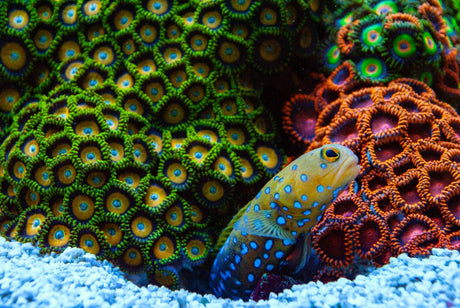
Dragonface Pipefish

Overview:
Dragonface Pipefish (Corythoichthys haematopterus) are delicate marine fish requiring specific care to thrive. They inhabit coral reefs and lagoons in the wild, preferring environments with plenty of live rock and crevices for hiding. Ideal tank conditions include a temperature range of 72-78°F, a pH of 8.1-8.4, and a salinity of 1.020-1.025. A minimum tank size of 30 gallons is recommended, with low water flow to mimic their natural habitat. They are sensitive to water quality, so regular monitoring and maintenance are crucial.

Compatibility:
Dragonface Pipefish are best kept with peaceful tankmates that do not outcompete them for food. Suitable companions include seahorses, small gobies, and other non-aggressive species. Avoid housing them with aggressive or fast-moving fish, such as large wrasses or tangs, as these can cause stress and hinder feeding. Keeping them in a species-specific tank or with similarly slow feeders can enhance their well-being.

Health and Quarantine:
Maintaining optimal health for Dragonface Pipefish involves regular water quality checks and a stable environment. They are prone to stress-related illnesses, so minimizing stressors is vital. Quarantine new arrivals for at least 2-4 weeks to prevent the introduction of diseases. Watch for signs of illness, such as rapid breathing or loss of appetite, and address issues promptly. Providing a varied diet and maintaining pristine water conditions are key preventive measures. Regular observation and early intervention can help ensure their long-term health.

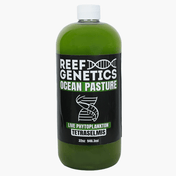
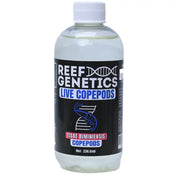
Dragonface Pipefish have specialized feeding needs, primarily consuming small live foods. Their diet should consist of live copepods, amphipods, and enriched brine shrimp. Offering a variety of live foods several times a day is essential to meet their nutritional requirements. Due to their slow feeding nature, ensure that food is plentiful and accessible, as they may struggle to compete with faster fish for food. Cultivating a refugium to maintain a steady supply of live food can be beneficial.

Dragonface Pipefish swim with a slow, deliberate motion, often mimicking the sway of surrounding seagrass. They are generally solitary or found in pairs, showing limited social interaction with other species. Territoriality is minimal, as they prefer to camouflage rather than confront. Compatibility with other fish is moderate; they coexist peacefully with non-aggressive species but may be stressed by fast-moving or larger fish. They thrive in environments with ample hiding spots and minimal disturbance.