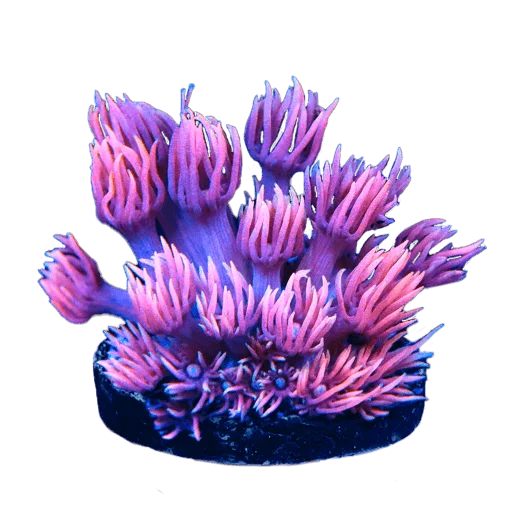
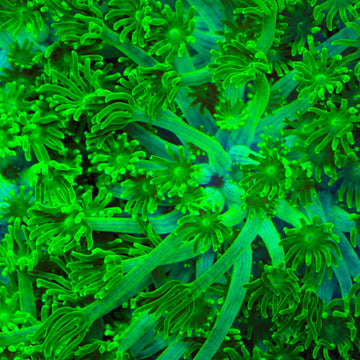
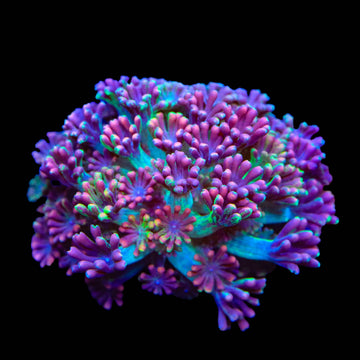
TSA Pink Pussycat Goniopora Coral
Overview
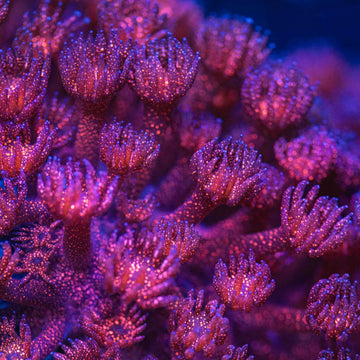
Pink Pussycat Goniopora Coral shows long, flower-like polyps with pink to magenta tentacles and contrasting mouths. Flowerpot Coral is a large-polyp stony type with a rounded, branching skeleton; it prefers moderate light and gentle to moderate, indirect flow. It is photosynthetic with symbiotic algae but grows and colors better with occasional small particulate foods. Place it where polyps can extend freely, keep space from aggressive neighbors, and avoid handling the fragile skeleton during moves.
Quick Facts
Care
Difficult
Lighting
Moderate
Flow
Moderate, indirect
Placement
Mid–Low
Temperament
Semi-aggressive (6 inches + spacing)
Recommended Parameters
Temp
76–80°F
pH
8.1–8.4
Salinity
1.025–1.026
Calcium
420–450 ppm
AlkAlkalinity
8–9.5 dKH
Magnesium
1280–1350 ppm
Feeding
photosynthetic, phytoplankton, rotifers, copepod nauplii, cyclops, oyster eggs, marine snow, microplankton, coral-specific powdered foods (e.g., Reef-Roids), finely minced meaty foods, enriched brine shrimp nauplii
Care & Placement
FAQ
Frequently Asked Questions
About the TSA Pink Pussycat Goniopora Coral
-
Why does my Pink Pussycat Goniopora show short or no polyp extension after weeks of doing well?
Common triggers include overly strong, laminar flow, sudden light increase, and ultra-clean water. Shift to random, moderate flow and reduce PAR gradually if you recently increased lighting. Keep nutrients detectable (NO3 ~5–15 ppm, PO4 0.03–0.1). Feed small particulates (rotifers, copepods, reef foods) 2–4 times weekly. Many hobbyists report better extension with consistent iron/manganese and stable alkalinity (8–9 dKH). -
My coral’s pink color is fading toward beige—what’s the likely cause?
Usually excess light or stripped nutrients. This species often holds color in moderate PAR (100–200) with balanced nutrients. Lower light slowly over 1–2 weeks, raise nitrate/phosphate if near zero, and resume targeted micro-foods. Maintain trace elements via regular water changes or careful dosing. Avoid rapid swings in alkalinity and salinity, which stress pigments. -
What rare issues should I watch for, and how do I respond quickly?
Brown jelly can strike after injury—siphon immediately, trim dead tissue, and use an iodine or short H2O2 dip; increase flow around the colony. Polyp bailout occurs under severe stress; collect bailed polyps in a low-flow cup with rubble and gentle aeration—some reattach. Vermetid snails and filamentous algae at the base can irritate tissue; remove promptly. -
Are there tankmates or behaviors that surprisingly irritate this coral?
Hosting attempts by clownfish or persistent attention from wrasses can keep polyps retracted and lead to abrasion. Keep a respectful buffer from euphyllia and galaxea; their stings can outcompete it. Avoid sand-slinging gobies directly adjacent, as constant grit damages tissue. If placed on the sandbed, lift the base slightly on a ring of rubble to reduce smothering.