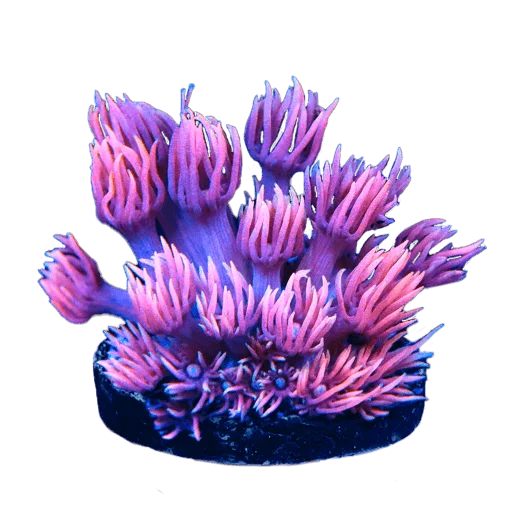
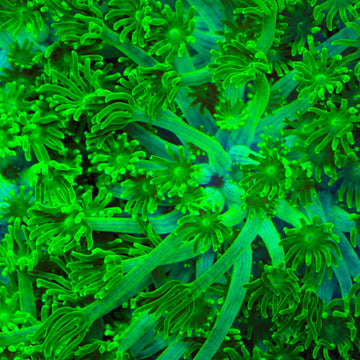
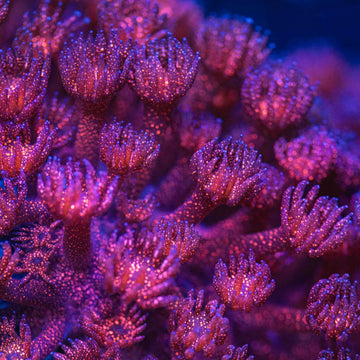
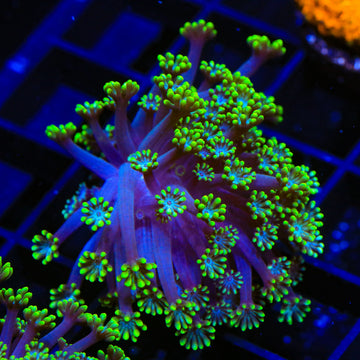
TSA Fruit Salad Goniopora Coral
Overview
Fruit Salad Goniopora Coral shows long, flower-like polyps in mixed pastel colors. Goniopora sp. Coral is a large-polyp stony coral that forms rounded colonies; it prefers moderate light and gentle to moderate, indirect flow. It is photosynthetic through symbiotic algae but benefits from small particulate foods, which can improve growth and polyp extension. Place on stable rock or sand with space around it, avoid strong direct flow, and keep clear of stinging neighbors.
Quick Facts
Care
Difficult
Lighting
Moderate
Flow
Moderate, indirect
Placement
Mid–Low
Temperament
Semi-aggressive (4–6 inches spacing)
Recommended Parameters
Temp
76–80°F
pH
8.1–8.4
Salinity
1.025–1.026
Calcium
400–450 ppm
AlkAlkalinity
8–9 dKH
Magnesium
1280–1350 ppm
Feeding
photosynthetic, phytoplankton, zooplankton, rotifers, cyclops/copepods, baby brine shrimp, microplankton, powdered coral foods (e.g., Reef-Roids), marine snow/oyster eggs
Care & Placement
FAQ
Frequently Asked Questions
About the TSA Fruit Salad Goniopora Coral
-
My Fruit Salad Goniopora stopped extending fully after looking great for weeks—what’s the likely cause?
Sudden retraction often traces to irritants or buildup. Check for vermetid snail webs, bristleworm nips at night, or detritus collecting at the base. Increase gentle, random flow to keep the skeleton clean, and turkey-baste debris. Feed fine particulate foods (5–50 microns) 2–3x weekly. Stable trace elements (iron/manganese via water changes or cautious dosing) can help restore polyp vigor. -
How do I keep the mixed “fruit salad” colors from fading or shifting?
Aim for moderate PAR (80–150) with a blue-leaning spectrum; acclimate slowly to brighter light. Keep nutrients detectable (NO3 ~5–15 ppm, PO4 0.03–0.1 ppm) to avoid paling. Avoid heavy white channels that wash reds/yellows. Stable trace availability and consistent feeding support pigment retention. Color swings after moves are common—give it 2–4 weeks of stability. -
Where should I place it, and which neighbors are risky?
Place on a stable rock ledge or clean sand with 2–3 inches of clearance to prevent abrasion. Provide moderate, indirect flow that gently sways polyps without blasting. Avoid aggressive LPS (galaxea, torch, favia) and anemones. Clownfish “hosting” can stress Goniopora; discourage it if you see polyp damage. Keep vermetid snails and stinging corals away from the tissue edge. -
How do I respond to base recession or “brown jelly”-like tissue loss?
Act fast: siphon loose tissue, trim dead skeleton to clean margins, and dip in iodine. Increase cross-flow to keep the base clear, and reduce organics by blowing off detritus regularly. Isolate if neighbors are stinging. Maintain stable alk and moderate nutrients; avoid big parameter swings. If loss continues, frag healthy sections ahead of the receding edge for salvage.