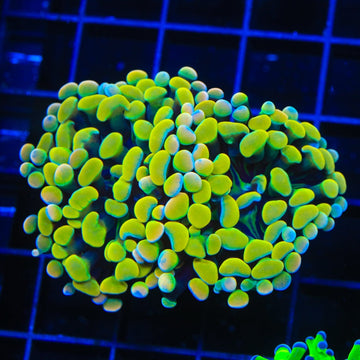
Disco Hammer Coral
Overview
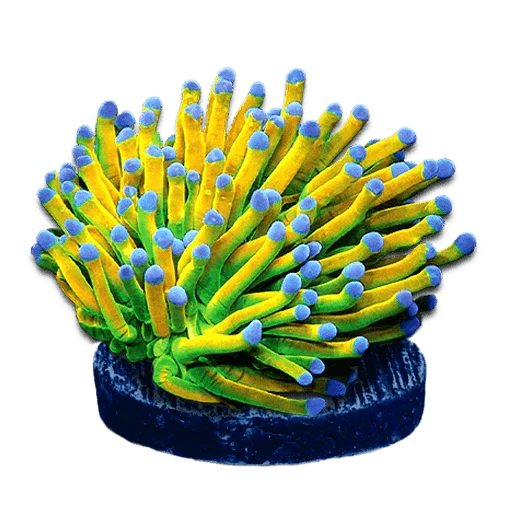
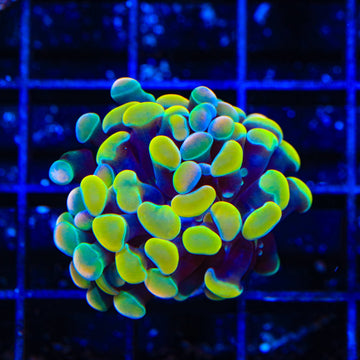
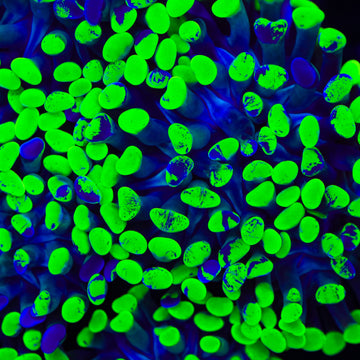
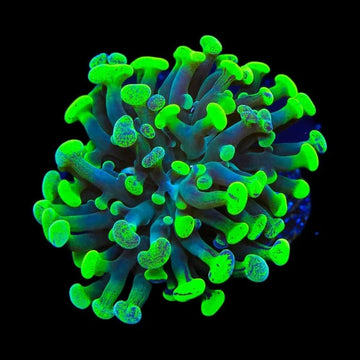
Disco Hammer Coral displays large, hammer-shaped tentacles on fleshy polyps. Fimbriaphyllia ancora is a large-polyp stony coral, typically wall-forming, and prefers moderate light with gentle to moderate water flow. It relies on symbiotic algae for photosynthesis and accepts occasional small meaty foods, which can improve growth and maintain coloration. Provide space from other corals due to sweeper tentacles, and place in a stable lower-to-mid position where tissue is not blasted by flow.
Quick Facts
Care
Moderate
Lighting
Moderate
Flow
Moderate, indirect
Placement
Mid–Low
Temperament
Semi-aggressive (6–8 inches spacing)
Recommended Parameters
Temp
76–80°F
pH
8.1–8.4
Salinity
1.025–1.026
Calcium
400–450 ppm
AlkAlkalinity
8–9 dKH
Magnesium
1250–1350 ppm
Feeding
photosynthetic (primary), mysis shrimp, enriched brine shrimp, finely chopped shrimp or fish, zooplankton, microplankton, coral-specific powdered foods
Care & Placement
FAQ
Frequently Asked Questions
About the Disco Hammer Coral
-
Why does my Disco Hammer Coral recede along the “wall” even though parameters look fine?
Wall hammers often recede linearly after minor damage or swings. Watch for early brown jelly (milky strings, odor). Stabilize alk/Ca/Mg, keep moderate, indirect flow to prevent tissue chafing on skeleton. Siphon decayed tissue, perform an iodine or broad-spectrum coral dip, and trim clearly dead edges. Reduce detritus accumulation, avoid sand blasting, and keep hands/tools off the fleshy rim during maintenance. -
My coral’s colors dulled after moving under brighter lights—how can I regain the pop?
Anchora variants color best with moderate PAR and strong blue/violet spectrum. Too much white light or ultra-low nutrients can wash pigments. Target NO3 ~5–15 ppm, PO4 ~0.03–0.1 ppm, and stable alk 8–9 dKH. Greens and golds respond to stable trace levels (iodine/iron) via regular water changes. Expect gradual recovery over weeks; avoid rapid spectrum or intensity jumps. -
How close can I place it to other corals or hosting fish?
Give 3–6 inches clearance; sweepers extend more at night. Torches usually overpower it; even other Fimbriaphyllia may sting. Run fresh carbon and maintain good export to manage chemical warfare. Clownfish can irritate tissue and trigger recession; discourage hosting with a protective cage during acclimation or provide an alternative host. Keep sharp rock edges away to prevent polyp tears in flow. -
Can I safely frag a wall-type Disco Hammer Coral?
It’s risky but possible with a seawater-lubricated diamond saw. Cut between mouth centers along skeletal valleys, not through mouths. Pre-mount pieces to reduce movement, then dip in iodine and place in low-to-moderate flow, shaded initially. Keep nutrients moderate and avoid direct feeding for a week. Any sign of brown jelly warrants immediate siphon and redip. Expect long heal times compared to branching types.