Nori
Mysis
Finely Chopped Seaweed
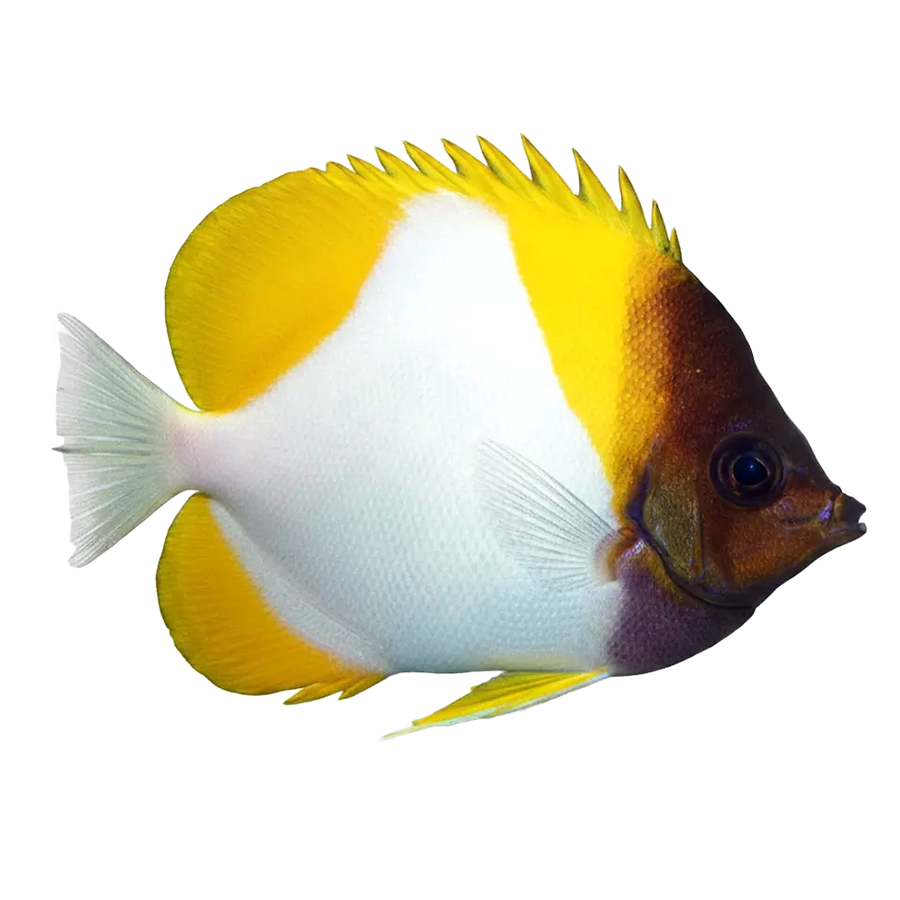
Threadfin Butterflyfish exhibit graceful swimming patterns, often seen gliding near coral reefs. They are generally found in pairs, indicating a monogamous social structure. Territorial in nature, they defend their chosen area vigorously from intruders. Despite their territoriality, they can coexist with non-aggressive species but may become aggressive towards other butterflyfish or similar-looking species. Compatibility is best with peaceful tank mates, avoiding overly aggressive or larger predatory fish to prevent stress.
FAQ
Frequently Asked Questions
About the Threadfin Butterflyfish
-
Can Threadfin Butterflyfish be kept in pairs or groups, and how do I tell if two individuals are likely to be compatible in a home aquarium?
Threadfin Butterflyfish (Chaetodon auriga) are often seen in pairs or small groups on reefs, but in captivity they are hit‑or‑miss as pairs. Two juveniles introduced at the same time into a large tank (6 ft / 180 cm or more, 125+ gallons) with ample rockwork usually have the best chance of forming a stable pair. Look for similarly sized fish with no signs of extended fin flaring, chasing, or biting beyond short initial sparring. If one fish persistently pins the other in corners, nips at the eyes or dorsal fin, or interrupts feeding, they are not a compatible pair. In tanks under about 125 gallons, it is safer to keep a single Threadfin; in very large community reef displays (300+ gallons) multiple individuals can coexist if introduced together and given many visual barriers and open swimming space. -
How reef safe is the Threadfin Butterflyfish in practice, and which specific corals or invertebrates are at highest risk?
This species is generally not reef safe. Threadfin Butterflyfish are specialized pickers and are strongly attracted to fleshy polyps and small sessile invertebrates. They are particularly prone to nipping at large‑polyp stony corals (Acanthophyllia, Trachyphyllia, Euphyllia, Lobophyllia), zoanthids and palythoas, fleshy soft corals (Sarcophyton, Sinularia, Xenia), and many brains and open brains. They may also pick at small ornamental feather duster worms and some clam mantles, especially Tridacna maxima and crocea. They tend to ignore or only occasionally sample tougher SPS like Acropora and Montipora, though damage can still occur. If you try one in a mixed reef, assume that any meaty or soft coral is at risk, and be ready to relocate either the fish or the corals if nipping becomes persistent. -
My new Threadfin Butterflyfish only picks at rocks and ignores prepared foods. What specific feeding strategy works best for getting this species to accept aquarium diets?
Newly imported Threadfins often graze constantly but ignore standard pellets and flakes. Start with frequent small feedings of “naturalistic” foods with strong scent and texture: frozen mysis shrimp, finely chopped clam or mussel, enriched brine shrimp, and mixed marine carnivore blends. Use a feeding clip with a rubber band to attach a strip of clam, mussel, or shrimp to a rock; place it near where the fish already picks so it can “discover” food naturally. Many individuals respond well to live blackworms (rinsed well), live enriched brine, or live copepods as an initial trigger. Once it regularly eats frozen foods, gradually mix in small soft pellets (marine omnivore formulas) soaked in tank water or garlic extract to soften and scent them. Offer food 3–4 times per day at first; reduce to 2–3 times daily once the fish is well settled and has gained weight. -
What minimum tank size and aquascape style does a Threadfin Butterflyfish need to prevent pacing and stress‑related issues?
A single adult Threadfin Butterflyfish needs at least a 4‑foot (120 cm) long tank, about 75 gallons minimum, though 90–120 gallons is much better. They are constant cruisers and easily become stressed in cramped or tall, narrow tanks. The ideal setup has a long front‑to‑back footprint with an open central swimming lane, surrounded by rock structures that create arches, overhangs, and multiple passages. Avoid solid “wall” rockwork that blocks sightlines end‑to‑end; instead, build two or three separate bommies or islands. Leave at least 2–3 inches between rock and glass so the fish can circle around. Include some shaded areas and caves for resting, but prioritize open horizontal space to reduce pacing and fin fraying against the glass. -
Are Threadfin Butterflyfish particularly prone to any diseases during import and quarantine, and how should I adjust my QT protocol for this species?
Threadfins are moderately delicate during import and are especially susceptible to marine ich (Cryptocaryon), velvet (Amyloodinium), and bacterial fin erosion due to stress and handling. They also dislike harsh, sudden medication regimes. In quarantine, use a well‑cycled tank with plenty of PVC or inert decor and strong aeration. Acclimate slowly, then observe for 24–48 hours before medicating unless parasites are obvious. Many keepers use a lower‑end copper treatment (chelated copper at 1.5–2.0 ppm, verified with a reliable test kit) instead of the very high therapeutic levels some hardier fish tolerate. Ramp copper up over 3–5 days rather than all at once. Maintain excellent water quality (ammonia at 0, stable salinity around 1.024–1.026, and temperature 24–26°C / 75–79°F). Provide frequent small feedings to prevent weight loss, and watch for frayed fins or red streaks that may indicate bacterial issues; if these appear, pair copper with a broad‑spectrum antibiotic in a separate hospital tank or after copper is removed, as mixing some antibiotics with copper can be risky.


