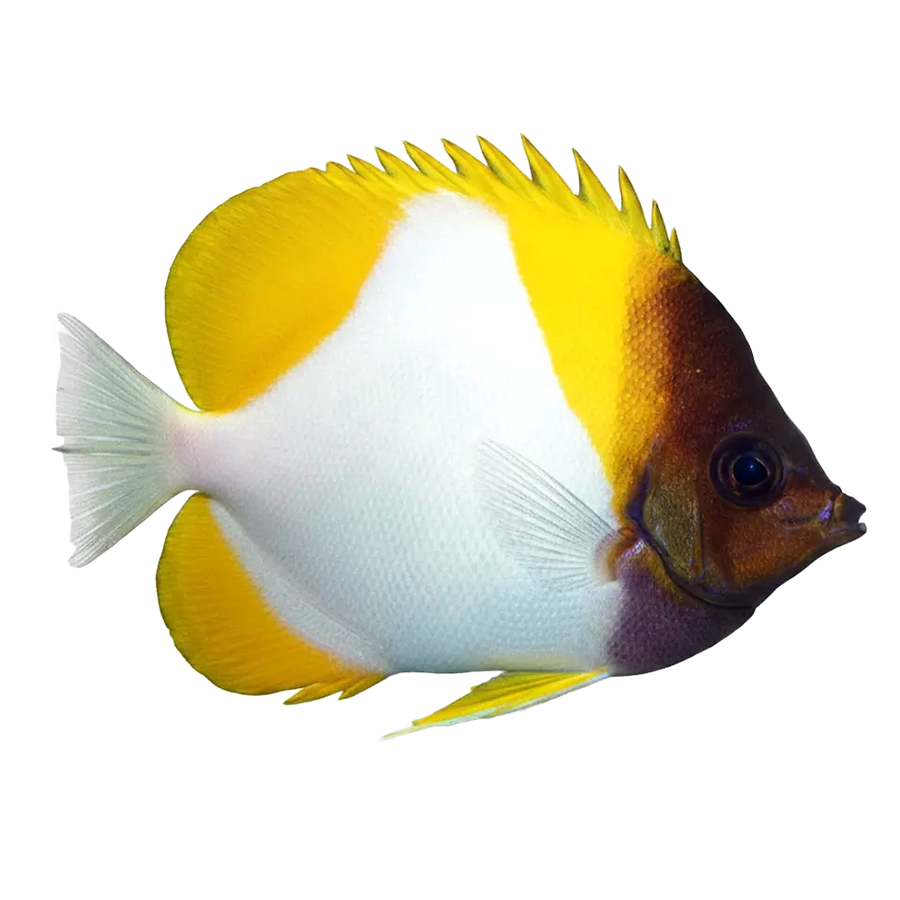
Pyramid Butterflyfish

Overview:
The Pyramid Butterflyfish, scientifically known as Hemitaurichthys polylepis, is a striking marine species known for its unique triangular body shape and vibrant coloration. These fish thrive in well-established marine aquariums with a minimum size of 100 gallons, providing ample swimming space. They prefer water temperatures between 72-78°F, a pH level of 8.1-8.4, and a salinity of 1.020-1.025. A reef tank setup with plenty of live rock for grazing and hiding is ideal. Pyramid Butterflyfish are generally peaceful and can be kept in groups, but ensure the tank is spacious enough to prevent territorial disputes.

Compatibility:
Pyramid Butterflyfish are generally peaceful and can coexist with a variety of tankmates. They are best suited for community tanks with other non-aggressive species. Ideal companions include other butterflyfish, tangs, wrasses, and clownfish. Avoid housing them with aggressive or territorial species such as triggerfish or large angelfish, as these can cause stress and potential harm. When introducing new fish, monitor interactions closely to ensure a harmonious environment.

Health and Quarantine:
Maintaining the health of Pyramid Butterflyfish requires attention to water quality and diet. Regular water changes and monitoring of parameters are essential to prevent stress-related illnesses. Common health issues include ich and marine velvet, which can be mitigated through proper quarantine procedures. New arrivals should be quarantined for 2-4 weeks in a separate tank to observe for signs of disease and to acclimate them to captive conditions. During quarantine, gradually introduce them to the diet they will receive in the main tank. Regular observation and prompt treatment of any health issues will help ensure a long, healthy life for your Pyramid Butterflyfish.

Nori Mysis Finely Chopped Seafood
Pyramid Butterflyfish swim in small groups, often forming schools near coral reefs. They exhibit a diurnal pattern, being active during the day and resting at night. These fish are generally peaceful, showing little aggression, and are not highly territorial. They coexist well with other non-aggressive species, making them suitable for community tanks. However, they may compete for food with other planktivores. When threatened, they can retreat into crevices in the reef for protection, displaying a preference for areas with ample hiding spots.

FAQ

Frequently Asked Questions

About the Pyramid Butterflyfish

  • Can a Pyramid Butterflyfish be kept singly, or do they really need to be in small groups to stay healthy and active?
    Pyramid Butterflyfish (Hemitaurichthys polylepis) are naturally schooling planktivores and generally do better in groups of at least three, provided the tank is large enough (6 ft/180 cm or more in length). A single specimen can do fine if the tank is very active with other peaceful, mid‑water swimmers and plenty of open water, but lone individuals are more prone to being shy and hiding. In groups, they show more natural feeding behavior, swim in the water column, and tend to be more confident. If you keep a group, add them at the same time and choose similar sizes to reduce bullying, and expect a short period of chasing while a loose hierarchy is established.
  • I want to keep Pyramid Butterflyfish in a reef tank. What specific coral types and invertebrates are at highest risk, and which are usually safe?
    Pyramid Butterflyfish are among the most reef‑compatible butterflies because they are primarily zooplanktivores, but they are still butterflies and may pick at certain sessile inverts. Generally low risk: most SPS (Acropora, Montipora, Pocillopora), tridacnid clams’ mantles are usually ignored in many tanks but should still be watched, and larger leather corals and gorgonians are often left alone. Higher risk: fleshy LPS with long tentacles (Acanthophyllia, Trachyphyllia, Scolymia, Lobophyllia, Euphyllia, Catalaphyllia), zoanthids and palythoas, and smaller fleshy polyps on certain LPS. Each individual is different: some are near model reef citizens, others develop a taste for specific corals. Always start with hardier, less tempting corals, keep the fish well‑fed on frequent planktonic foods, and be prepared to remove the fish if it targets prized colonies.
  • My new Pyramid Butterflyfish is constantly pacing along the glass and staying near the surface. Is this normal for the species, or is something wrong with my setup?
    Mild “glass surfing” during the first few days is common, as this species is adapted to open‑water schooling over drop‑offs and may feel confined. Persistent pacing and surface hugging can indicate one or more problems: insufficient swimming space (tank too short or cluttered), lack of mid‑water tankmates (they feel exposed), strong reflections on the glass (they may be reacting to their own reflection), or high flow pointed directly at them near the surface. Address this by providing at least a 6‑foot tank with a large open area, adding peaceful dither fish (chromis, anthias, fairy wrasses), reducing bright side lighting and reflections, and adjusting flow so there are steady but not blasting currents through the mid‑water column. Once they feel secure, they typically cruise mid‑water more calmly.
  • Pyramid Butterflyfish are said to be planktivores. What does an ideal feeding schedule and menu look like in captivity to keep them in breeding‑condition health?
    They are high‑metabolism zooplanktivores that do best with small, frequent meals rather than one or two big feedings. Aim for 3–5 feedings per day in smaller systems (or continuous auto‑feeding if possible), with foods that stay suspended. Core items: finely chopped mysis shrimp, enriched brine shrimp (as a supplement, not staple), calanus, copepod‑based foods, finely chopped krill, and high‑quality marine pellets sized 0.8–1.5 mm that stay in the water column. Supplement with: finely chopped clam, shrimp, and occasional nori or spirulina‑rich flakes to add some plant matter. Soak foods periodically in a vitamin supplement and HUFA source (e.g., Selcon) to support immune function and coloration. Consistent, varied feeding reduces the urge to nip coral and helps them maintain body weight, as they are prone to slow starvation if underfed.
  • I’m quarantining a Pyramid Butterflyfish and it’s very reluctant to eat in the bare hospital tank. What specific tactics work best to get this species started on prepared foods?
    Pyramid Butterflyfish can be shy feeders in bare quarantine setups because they are used to feeding mid‑water in a school. To get them started, dim the lights, cover three sides of the tank, and provide some inert, easy‑to‑sterilize shelter (PVC elbows, fake coral branches) near a gentle current where food can pass by repeatedly. Start with live foods with movement in the water column: live blackworms (if available), live enriched brine shrimp, or live copepods. Once they are taking live food, gradually mix in frozen mysis and calanus while still offering some live prey. Use a small powerhead or air stone to keep frozen foods suspended to mimic natural plankton drift. Feed small amounts multiple times a day, and avoid aggressive tankmates during quarantine. After they accept frozen, introduce tiny sinking or suspending pellets mixed in with frozen food, slowly increasing the proportion of prepared items until they recognize pellets as food.