Scott’s Fairy Wrasse

Overview:
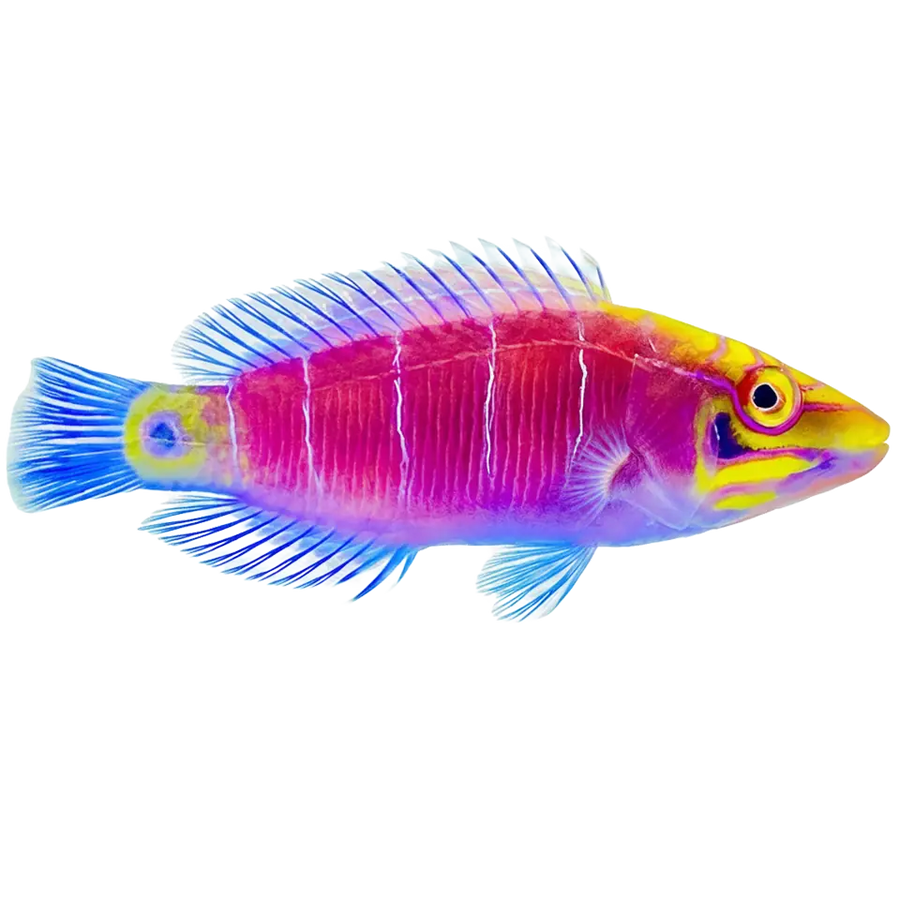
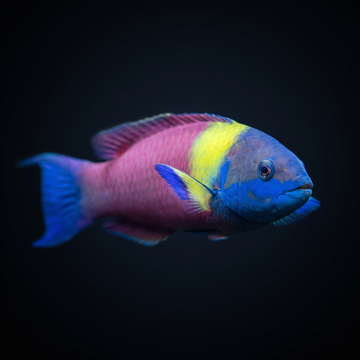
Scott’s Fairy Wrasse (Cirrhilabrus scottorum) is a vibrant marine fish native to the reefs of the South Pacific. It thrives in well-established aquariums with stable water parameters. Ideal conditions include a tank size of at least 75 gallons, with plenty of live rock for hiding and foraging. Water temperature should be maintained between 72-78°F, with a pH of 8.1-8.4 and specific gravity of 1.020-1.025. A moderate water flow and strong lighting will mimic their natural environment, promoting their health and vibrant coloration.

Compatibility:
Scott’s Fairy Wrasse is generally peaceful and can coexist with a variety of tankmates. They do well in community tanks with other non-aggressive fish. Avoid housing them with overly aggressive species or those that may outcompete them for food. They can be kept with other wrasses, but it is advisable to introduce them simultaneously to minimize territorial disputes. Ensure ample hiding spaces to reduce stress and provide a sense of security.

Health and Quarantine:
Regular monitoring of water quality and maintaining a stable environment are crucial for the health of Scott’s Fairy Wrasse. They are susceptible to common marine diseases such as ich and velvet, so a quarantine period of 2-4 weeks is recommended before introducing them to the main tank. During quarantine, observe for signs of illness and treat accordingly. A balanced diet and stress-free environment will bolster their immune system. Regularly check for signs of stress or disease, such as changes in behavior or appearance, and address any issues promptly to ensure their well-being.

Pellets Mysis Brine Shrimp
Scott’s Fairy Wrasse is an active swimmer, often seen darting among rocks and corals. It exhibits semi-aggressive behavior, especially towards smaller or more timid fish. While it can be territorial, it generally coexists peacefully with other semi-aggressive species in a spacious tank. This wrasse thrives in reef environments, where it can explore and hide. It should be kept with similarly sized tankmates to prevent bullying. Its diet includes mysis and brine shrimp, requiring a varied carnivorous menu for optimal health.

FAQ

Frequently Asked Questions

About the Scott’s Fairy Wrasse

  • What tank size and aquascape layout are ideal for a Scott’s Fairy Wrasse, given how fast and actively they swim?
    A single adult Scott’s Fairy Wrasse (Cirrhilabrus scottorum) does best in a minimum 75–90 cm (30–36 in) long tank, roughly 40–55 gallons, with open water for sustained mid‑water swimming. Use a U‑ or C‑shaped rock structure with caves and overhangs on the sides and back, leaving a clear “runway” in the center. Avoid excessively sharp rock edges—they launch at high speed when startled. Secure all rockwork firmly, as they can strike it when darting for cover. They don’t burrow, so a standard 1–2.5 cm (½–1 in) sand bed is enough; focus more on horizontal swimming room and shaded retreats than on vertical height.
  • How can I keep the male Scott’s Fairy Wrasse’s colors from fading once it’s in my tank?
    Color loss often comes from stress, poor diet, and inappropriate social conditions rather than “old age.” Maintain stable parameters (SG 1.025–1.026, temp 24–26 °C/75–79 °F, low nitrate and phosphate), and provide a tight‑fitting lid to reduce jump stress. Feed 2–3 times daily with a varied, carotenoid‑rich diet: quality marine pellets, frozen mysis, copepods, calanus, and finely chopped seafood, plus occasional vitamin/astaxanthin‑enriched foods. Males intensify coloration when they feel socially “dominant,” so housing them as the primary wrasse and avoiding very aggressive or larger fairy/flasher wrasses helps. Moderate‑to‑low light with some shaded areas and dark background/rock also makes their colors show more vividly.
  • Can Scott’s Fairy Wrasses be kept with other wrasses, and if so, which types and what introduction order works best?
    They can live with other wrasses, but they’re among the bolder Cirrhilabrus and males can be territorial. Avoid mixing males of similar‑shaped, similarly colored fairy wrasses (like some Pintail or Lineatus males) in smaller tanks. More compatible tankmates include many Halichoeres (e.g., melanurus, chrysus) and smaller Paracheilinus flashers, added in groups and at similar size. Add the Scott’s Fairy Wrasse later or last among wrasses so it doesn’t claim the whole tank first. Use an acclimation box for any new wrasse for several days to gauge aggression before full release. In modest tanks, stick to one male fairy wrasse and, optionally, a small group of smaller, less dominant wrasses.
  • Why does my Scott’s Fairy Wrasse “flash” (rapid color change and darting) at dusk, and is it a sign of stress or normal behavior?
    Evening “flashing” is normal display behavior in males. Near lights‑out, they often shift to an intense display pattern—brighter or more contrasting colors—while performing short, rapid dashes or small loops, sometimes toward their reflection, other wrasses, or in open water. It’s a courtship and dominance display, not stress, as long as it’s short‑lived (10–30 minutes), not accompanied by gasping, scratching, or hiding, and the fish still feeds eagerly. If flashing continues all day, check for reflective surfaces causing constant pseudo‑rivalry, excessive flow, bullying tankmates, or poor water quality. Otherwise, dusk flashing is a hallmark of a healthy, confident male.
  • How sensitive is a Scott’s Fairy Wrasse to shipping and new‑tank acclimation, and what specific steps should I follow to reduce losses?
    Scott’s Fairy Wrasses can ship reasonably well but often arrive stressed and prone to jumping and refusal to eat if acclimated poorly. Float the bag to temperature‑match for 15–20 minutes, then drip acclimate over 30–45 minutes, discarding bag water afterwards. Dim the lights during introduction and keep them low for the first day. Always have a tight lid with no gaps; many are lost in the first 24–72 hours due to jumping. Place them initially in a peaceful, fully cycled tank or a large, observation‑style quarantine with ample rock and PVC hiding spots; avoid cramped, bare QT tanks if possible. Offer small, frequent feeds of live or very enticing frozen foods (mysis, enriched brine, copepods) within a few hours of introduction. Watch closely for signs of shipping‑related diseases such as uronema or velvet, and treat promptly if symptoms appear.