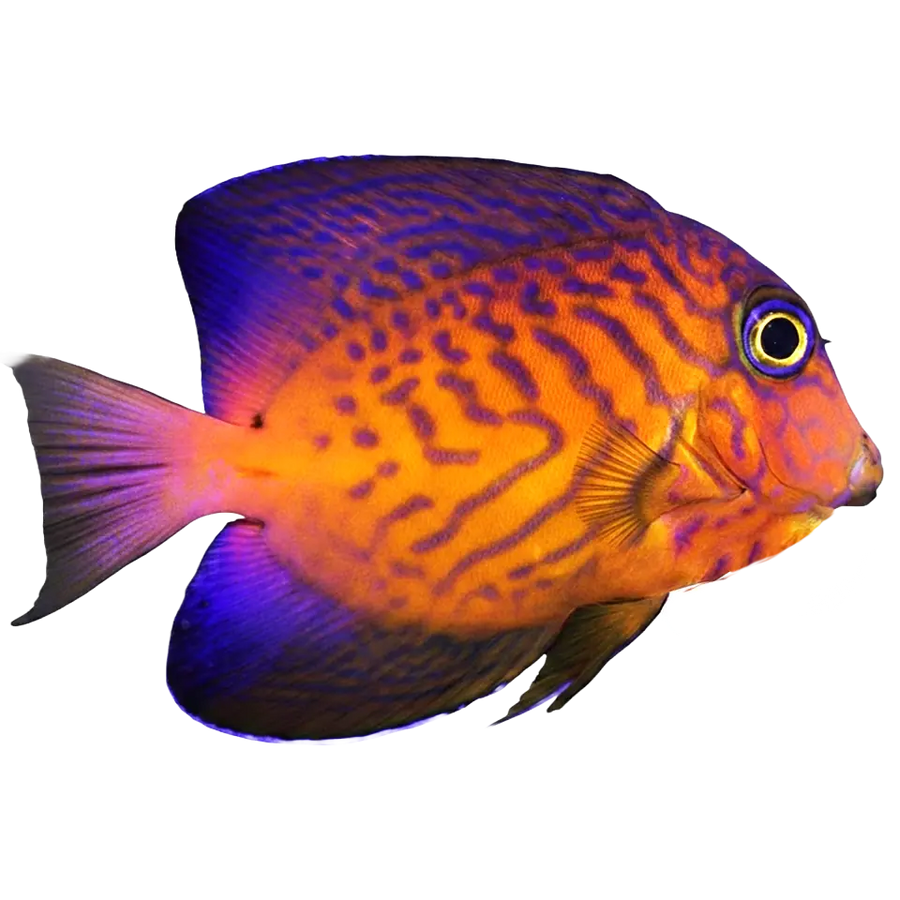
Sohal Tang

Overview:
The Sohal Tang, scientifically known as Acanthurus sohal, is a striking marine fish native to the Red Sea and the Arabian Peninsula. Known for its vibrant blue and white stripes, this species requires a spacious aquarium of at least 180 gallons due to its active swimming nature and potential to grow up to 16 inches. The ideal habitat conditions for a Sohal Tang include a well-established reef environment with plenty of live rock for grazing and hiding. Water parameters should be maintained with a temperature range of 74-82°F, a pH of 8.1-8.4, and a specific gravity of 1.020-1.025. Strong water movement and efficient filtration are crucial to mimic their natural habitat and maintain water quality.

Compatibility:
Sohal Tangs are known for their territorial and aggressive nature, particularly as they mature. They are best kept as the sole tang in the aquarium to avoid conflicts with other tang species. If housed with other fish, choose robust species that can hold their own, such as larger angelfish or triggerfish. Avoid housing with smaller, more timid species that may be bullied. Introducing the Sohal Tang last to an established community tank can help reduce territorial disputes. Providing ample space and hiding spots can also mitigate aggression.

Health and Quarantine:
Sohal Tangs are susceptible to common marine diseases such as ich and marine velvet. A quarantine period of at least 4 weeks is recommended before introducing them to the main tank to monitor for signs of illness and treat if necessary. Maintaining optimal water quality and a stress-free environment is key to preventing disease. Regularly check for signs of stress or illness, such as changes in color, spots, or erratic swimming. Supplementing their diet with vitamins and garlic can boost their immune system. Regular observation and prompt treatment of any health issues are vital for their well-being.

Nori Pellets Mysis
The Sohal Tang (Acanthurus sohal) is a vibrant and aggressive marine fish native to the Red Sea and Arabian Sea, requiring a minimum tank size of 220 gallons due to its maximum size of 16 inches and territorial nature. Known for its active swimming habits, it patrols its territory vigorously, necessitating ample space and rock formations for navigation. Socially, it is not community-friendly, often exhibiting hostility towards other tangs and similarly shaped fish, thus best kept singly in a tank. However, it is reef safe, coexisting with corals and invertebrates without causing harm. Its omnivorous diet includes algae and nori, supplemented by meaty foods. While visually striking, potential owners must manage its aggressive behavior and provide a suitable environment to ensure its well-being.

FAQ

Frequently Asked Questions

About the Sohal Tang

  • How large of a tank does a Sohal Tang really need, and does tank shape matter for their territorial behavior?
    Sohal Tangs need an absolute minimum of 180 gallons (6 feet long), but 240 gallons or larger with at least 7–8 feet of straight swimming space is strongly recommended for long‑term success. Their aggression is tightly linked to territory size and layout: long, rectangular tanks with open “raceway” sections reduce confrontations. Avoid tall, narrow, or cube tanks; they restrict cruising and concentrate aggression. Rockwork should be arranged in islands or low ridges, leaving a continuous open lane along the front or center of the tank. More swimming length and broken lines of sight directly reduce how often the Sohal patrols and attacks other fish.
  • Sohal Tangs are known to be very aggressive. What specific stocking strategies work best to reduce aggression in a community reef?
    Add a Sohal very late in the stocking order, after all other fish (especially other tangs and large angels) are established. Introduce it as a sub‑adult (4–6 inches) rather than a fully grown adult; juveniles adapt better. Keep only one Acanthurus species per tank; Sohals often target close relatives. Avoid similarly shaped or similarly colored fish (zebrasomas, other bold striped tangs). Maintain a few robust, fast dither fish (large wrasses, anthias groups) so the Sohal is not focused on just one target. Use an acclimation box for 3–7 days so existing fish can see the Sohal and establish a loose hierarchy before direct contact. Very well‑fed Sohals in large, open aquascapes are noticeably less aggressive.
  • My Sohal Tang picks at SPS and LPS corals on occasion. Is this normal, and how can I reduce coral nipping without removing the fish?
    Light nipping is fairly common, especially in underfed or bored Sohals. They are primarily herbivores but opportunistically sample fleshy tissue, polyps, and clam mantles. To minimize this: (1) Provide continuous access to high‑quality nori (red and green) in at least two feeding clips, plus a varied herbivore diet (spirulina pellets, herbivore frozen blends); (2) Increase feeding frequency to 3–4 times per day in smaller portions; (3) Add more natural grazing surfaces: allow moderate algae growth on back and side panels or use “grazing rocks” seeded with macroalgae; (4) Ensure strong flow over corals—this sometimes discourages picking. If coral damage persists even with heavy herbivore feeding, you may need to relocate the most targeted pieces (meaty LPS, open brains, fleshy acans) to areas harder for the Sohal to hover and nip.
  • What are the key water quality and flow requirements specifically for keeping a Sohal Tang healthy and active long‑term?
    Sohals come from high‑energy Red Sea reef slopes and demand excellent water quality and strong, turbulent flow. Aim for: temperature 76–78°F (24–26°C), salinity 1.025–1.026, pH 8.1–8.4, nitrate <15 ppm (ideally under 10), phosphate <0.1 ppm, ammonia/nitrite 0. They are large, constant grazers that produce heavy waste, so oversize your skimmer and use strong mechanical filtration and frequent filter sock changes. High dissolved oxygen is critical: use surface agitation, strong cross‑currents, and consider an airstone in sumps on heavily stocked systems. Flow should be strong and variable (20–40x tank volume per hour), with gyre or alternating powerheads that create broad, sweeping currents rather than narrow jets. This keeps them active, supports their high metabolism, and helps prevent lateral line erosion issues.
  • My Sohal Tang is developing pale, pitted areas on its head and along the lateral line. What specific factors cause this in Sohals, and how can I reverse it?
    This is likely head and lateral line erosion (HLLE), which Sohals are prone to under suboptimal conditions. Main contributing factors are: chronic poor water quality, activated carbon dust, nutritional deficiencies (vitamins, marine algae content), and long‑term stress or aggression. To reverse or improve it: (1) Improve water quality with more frequent water changes and better mechanical/biological filtration; (2) If using granular activated carbon, rinse thoroughly and use in a mesh bag or reactor with controlled flow—avoid tumbling that creates dust; (3) Upgrade diet to include daily sheets of quality nori, spirulina‑rich pellets, and frozen herbivore blends; supplement with vitamin and HUFA additives (e.g., soaking food a few times per week); (4) Reduce stress by ensuring sufficient tank size, hiding places, and limiting tankmates that constantly harass or are harassed by the Sohal. In many cases, tissue can partially regenerate and color improves over a few months once underlying issues are corrected.