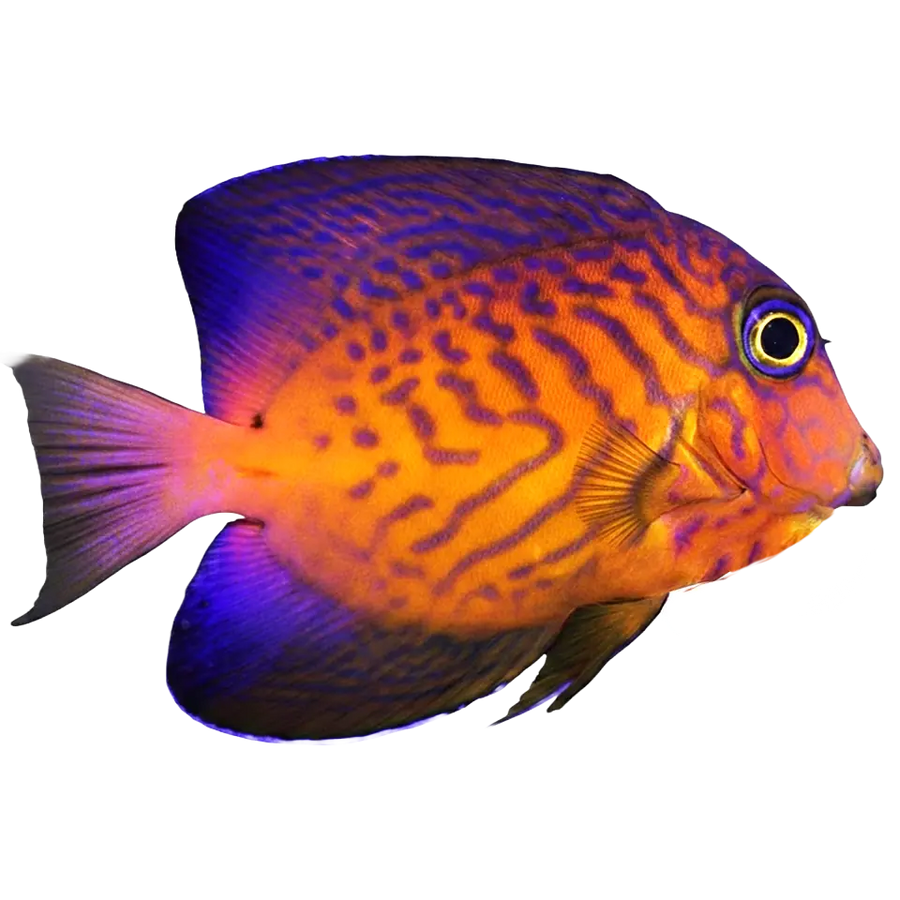
Naso Tang

Overview:
The Naso Tang, also known as Naso lituratus or the Lipstick Tang, is a popular marine fish known for its striking appearance and active nature. Ideally suited for larger aquariums, this species requires a tank of at least 125 gallons to accommodate its potential size of up to 18 inches. The tank should mimic its natural reef habitat with plenty of swimming space and live rock for grazing. Optimal water conditions include a temperature range of 72-78°F, pH between 8.1-8.4, and specific gravity of 1.020-1.025. Strong water movement and efficient filtration are essential to maintain water quality and provide the oxygenation needed for this active swimmer.

Compatibility:
Naso Tangs are generally peaceful but can become territorial, especially in smaller tanks. They are best kept with other non-aggressive species and can coexist with a variety of reef-safe fish. Avoid housing them with other tangs or similarly shaped fish to prevent aggression. Introduce them to the aquarium last to reduce territorial disputes. They are reef-safe and will not harm corals or invertebrates, making them suitable for mixed reef setups.

Health and Quarantine:
Naso Tangs are susceptible to common marine diseases such as ich and marine velvet. Quarantine new arrivals for at least 2-4 weeks to monitor for signs of illness and treat if necessary. Maintain pristine water conditions and a stress-free environment to prevent disease outbreaks. Regularly check for signs of stress or illness, such as rapid breathing, loss of appetite, or unusual swimming patterns. Provide a varied diet to boost their immune system and ensure they receive all necessary nutrients. Regular water changes and monitoring of water parameters are crucial for their overall health and well-being.

Nori Pellets Mysis
The Naso Tang (Naso lituratus) is an active swimmer known for its vibrant appearance and dynamic behavior. Originating from the Indo-Pacific, this species thrives in reef aquariums with a minimum size of 150 gallons, allowing it to grow up to its full 12 inches and exhibit natural swimming patterns. As an omnivore, its diet should include macroalgae, nori, and meaty foods to maintain health and coloration. While semi-aggressive, it is generally reef-safe and can coexist with other fish if introduced carefully. Territorial behavior may occur, especially with other tangs, so adequate space and hiding spots are essential. Its compatibility with non-aggressive species makes it a rewarding yet moderately challenging addition for experienced aquarists.

FAQ

Frequently Asked Questions

About the Naso Tang

  • How large of a tank do I really need for a Naso Tang, and does tank shape matter as much as volume?
    Naso Tangs grow to 16–18" in captivity, so long-term they require at least a 180–220 gallon system, with a minimum length of 6 feet and ideally 24" or more front-to-back. They are constant swimmers that use the entire length of the tank, so horizontal swimming space is more important than sheer water volume. A long, wide rectangular tank is far better than a tall but narrow one of the same gallons. For juveniles, anything under 125 gallons should be considered temporary housing only, and you should have a clear upgrade plan within 12–18 months as they grow.
  • Why does my Naso Tang change color so dramatically, especially at night or when stressed, and should I be worried?
    Naso Tangs have specialized pigment cells that allow rapid color and pattern shifts. At night, or when they’re frightened or moved, they often show blotchy, pale, or “muddy” patterns along the body and darkened bars on the face. This is normal and related to mood, lighting, and background color. As long as the fish is still eating aggressively, breathing normally, and swimming steadily, this color shifting is not a health concern. Problems arise if the fish remains very pale, clamps fins, gasps at the surface, or shows spots/film on the skin—then you should investigate water quality, parasites, or infection.
  • My Naso Tang eats nori but ignores other foods. What should an ideal diet look like for long-term health and color?
    Naso Tangs are primarily herbivores that graze on macroalgae in the wild, but they also benefit from some meaty items. Base the diet on high-quality marine algae: dried nori (red and green), fresh or prepared macroalgae such as gracilaria and ogo, and spirulina-based pellets. Supplement this with small portions of varied frozen foods like mysis, brine (enriched), and finely chopped seafood 2–3 times a week. Soak foods in vitamins and a good HUFA supplement several times weekly to support immune function and color. Feed multiple small portions of algae daily rather than one large feeding to mimic constant grazing and reduce aggression and stress.
  • How aggressive are Naso Tangs toward other tangs and large fish, and what is the best stocking and introduction order for them?
    Naso Tangs are generally less aggressive than many Acanthurus and Zebrasoma tangs, but behavior depends heavily on tank size, aquascape, and introduction order. In large tanks (220+), a single Naso usually coexists peacefully with other tangs if they differ in body shape and coloration (for example, pairing a Naso with a Yellow Tang and a Kole Tang). Introduce the Naso early or mid-sequence, not last, and ideally add multiple tangs at the same time so no single fish can claim the entire tank. Avoid keeping two Naso Tangs in anything under 300 gallons unless you’re very experienced and can acquire a known male–female pair. Provide multiple caves, overhangs, and visual barriers so subdominant fish can avoid direct line-of-sight.
  • My Naso Tang has swollen, whitish “horns” or raised areas around the scalpels near the tail. Is this normal, and how can I safely handle or net this fish?
    Adult Naso Tangs develop sharp, scalpel-like spines on each side of the caudal peduncle (tail base), and the surrounding tissue can appear slightly raised as they mature. Mild thickening with clearly defined, sharp spines is normal. However, reddened, ulcerated, or very swollen tissue indicates injury or infection, often from fighting or scraping on rock. Never net a large Naso in a standard mesh net; the spines easily tangle and can cause severe stress and injury. Instead, guide the fish into a large, smooth fish trap or a plastic container, or use a soft, fine-mesh “specimen” net and keep the tail away from the mesh as much as possible. For any visible damage, maintain pristine water quality, add vitamins and high-quality algae to support healing, and consider a separate treatment tank if you see redness spreading or tissue breakdown.