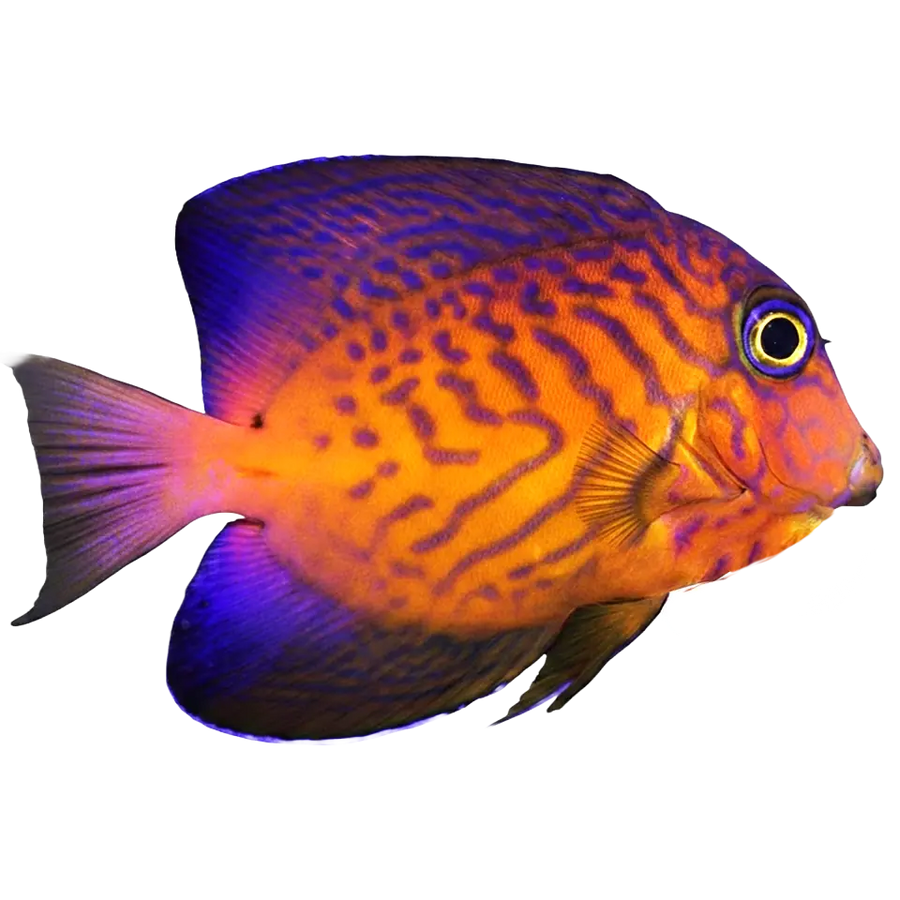
Achilles Tang

Overview:
The Achilles Tang (Acanthurus achilles) is a striking marine fish known for its vibrant coloration and active swimming behavior. Native to the reefs of the Pacific Ocean, it thrives in well-established aquariums with ample swimming space. A minimum tank size of 100 gallons is recommended to accommodate their active nature and territorial behavior. Water conditions should mimic their natural habitat, with temperatures between 72-78°F, a pH of 8.1-8.4, and specific gravity of 1.020-1.025. Strong water movement and high oxygen levels are crucial, as they are accustomed to the surge zones of reefs. Live rock is beneficial for grazing and providing hiding spots, contributing to their overall well-being.

Compatibility:
Achilles Tangs can be territorial, especially towards other tangs or fish with similar body shapes. It is best to keep only one Achilles Tang per tank unless housed in a very large aquarium. They are generally compatible with a variety of other marine species, including peaceful fish like clownfish, gobies, and wrasses. Avoid housing them with aggressive species or those that may compete for similar food sources. Introducing them to the tank last can help reduce territorial disputes. Providing ample hiding spaces and maintaining a peaceful environment will promote harmony among tankmates.

Health and Quarantine:
Achilles Tangs are susceptible to common marine diseases such as ich and marine velvet, often exacerbated by stress. A quarantine period of at least two weeks is recommended for new arrivals to monitor for signs of illness and acclimate them to captive conditions. Regularly check water parameters and maintain high water quality to prevent stress-related health issues. Supplement their diet with vitamins and immune-boosting additives to enhance their resistance to disease. Observe for any changes in behavior or appearance, and address health concerns promptly with appropriate treatments. Regular maintenance and a stable environment are key to ensuring the long-term health of Achilles Tangs.

Nori Pellets Mysis
The Achilles Tang is a semi-aggressive fish that requires a minimum tank size of 120 gallons due to its territorial nature and active swimming habits. It thrives in a spacious environment where it can establish its territory and swim freely. While it can coexist with other fish, care should be taken to avoid housing it with similarly shaped species to prevent aggression. The Achilles Tang is reef safe, making it suitable for reef aquariums. Its diet is omnivorous, needing a mix of algae, nori, spirulina, and mysis shrimp for optimal health.

FAQ

Frequently Asked Questions

About the Achilles Tang

  • How can I successfully acclimate an Achilles Tang to a new reef tank without triggering severe stress or velvet/ich outbreaks?
    Use a lengthy drip acclimation (at least 45–60 minutes) with matched temperature and salinity (target 1.024–1.026) before adding the fish to a fully cycled, stable quarantine tank. Always quarantine Achilles Tangs; they are extremely prone to Cryptocaryon (marine ich) and Amyloodinium (velvet). Keep quarantine at 1.020–1.022 salinity to reduce osmotic stress and maintain pristine water quality: ammonia and nitrite at 0, nitrate under 10–15 ppm, stable pH 8.1–8.4, and plenty of flow and oxygenation. Provide hiding spots (PVC, rock) and strong, turbulent water movement so it can swim into the flow. Observe for 4–6 weeks and treat proactively for parasites (copper or chloroquine phosphate for ich/velvet, praziquantel for flukes) as per tested protocols. Only move the fish to the display tank once it is eating aggressively and shows no visible spots, frayed fins, or labored breathing.
  • My Achilles Tang is pacing and “surfing” the current nonstop. How do I know if it’s normal high-energy behavior or a sign the tank is too small or stressed?
    Achilles Tangs are open-water surge-zone fish that constantly swim into heavy wave action, so active “current surfing” is partly normal. Normal behavior includes: bold feeding, smooth continuous swimming, full fin extension, bright coloration, and no obvious scratching, gasping, or clamped fins. Problem signs that suggest a tank that’s too small or high stress include: frantic laps along the glass with repeated sudden turns, head-butting or scraping the glass or rock, persistent hiding except during feeding, dull or blotchy coloration, rapid breathing, and aggression toward tankmates escalating over time. For long-term success, most specimens need at least a 6-foot tank (180 gallons or larger), powerful cross-flow or gyre pumps that mimic surge, abundant swimming space with open areas, and very stable water parameters. If these conditions are not met, the pacing usually worsens and is often followed by disease or aggression.
  • What specific diet does an Achilles Tang require to maintain its bright coloration and avoid constant nibbling on my SPS corals?
    Achilles Tangs are primarily herbivores/grazer-detritivores that need frequent, varied plant-based feedings. Provide multiple daily feedings (3–5 times) of high-quality marine algae foods: dried nori (red, green, and brown sheets), fresh or frozen macroalgae (ulva, gracilaria), and spirulina-based pellets or flakes. Supplement with frozen foods that include a strong algae component (mysis mixed with spirulina, herbivore blends) and occasional meaty items like mysis shrimp or finely chopped clam, but keep meaty foods as a minority of the diet. Soak foods periodically in vitamins (e.g., Selcon, VitaChem) to support immune health and color. A well-fed Achilles with abundant nori and algae on the rocks is less likely to pick at SPS polyps or clams; most nipping reports are from underfed or stressed fish. Also ensure plenty of natural microalgae growth on the rock by avoiding over-scrubbing and by maintaining moderate nutrient levels instead of an ultra-sterile system.
  • How can I manage aggression when introducing an Achilles Tang into a tank that already has other surgeonfish (like Yellow, Kole, or Powder Blue Tangs)?
    Achilles Tangs can be territorial and especially hostile toward other Acanthurus and similarly shaped tangs. To reduce aggression, rearrange rockwork just before introduction to break established territories, and introduce the Achilles last or alongside other tangs of similar size. Use an acclimation box for several days so existing tankmates can see the new fish without physical contact; this often diffuses initial hostility. Avoid mixing Achilles with very aggressive Acanthurus species (e.g., Clown Tang) or with closely related species such as Powder Blue and Powder Brown unless the tank is very large (8+ feet) and you introduce them carefully and often simultaneously. Ensure heavy feeding and multiple nori stations spread across the tank so rivals do not compete at a single food spot. Watch for torn fins, persistent chasing, or the Achilles being pinned into corners; if this continues beyond a few days and intensifies, be prepared to remove either the Achilles or the most aggressive resident tang.
  • Why does my Achilles Tang lose color and show frayed fins after long periods of high flow, even though this species is supposed to love strong current?
    Achilles Tangs require strong, oxygen-rich flow, but constant exposure to excessively direct, high-velocity jets can cause physical abrasion, fin damage, and chronic stress. In nature they move in and out of surge zones rather than sitting in a pressure-washer-style stream. In the aquarium, use broad, diffuse flow from gyre pumps or wide-output wavemakers rather than narrow, high-pressure streams. Aim for alternating or pulsing flow that creates turbulence across the tank rather than a single blast aimed directly at the fish’s usual resting spots. If you see shredded fins, localized pale patches where the fish habitually sits in front of a pump, or difficulty maintaining position in the water column, dial back the pump intensity, redirect heads toward tank walls or the surface, and create overlapping flow patterns instead of one dominant stream. Given appropriate flow, plus excellent water quality and a nutrient-rich diet, fins and color usually rebound within a few weeks.