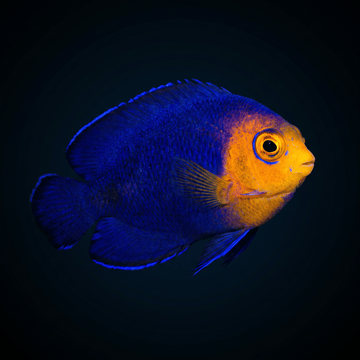
Flame Dwarf Angel

Flame Dwarf Angel

Small (<2")
$112.99
Sale price  $112.99 Regular price 
Skip to product information
Flame Dwarf Angel

Flame Dwarf Angel

$112.99
Sale price  $112.99 Regular price 

Goes well with:

Centropyge loricula

Care Level Moderate
Temperament Semi-aggressive
Reef Safe With Caution
Max Size 4 inches
Tank Size 55 gallons
Diet Omnivore
Common Name Flame Dwarf Angelfish
Origin Central Pacific

Food

Algae Flakes Pellets Mysis

Tags

Angelfish Reef Safe With Caution Omnivore

Diet & Feeding

Flame Dwarf Angelfish are omnivorous, requiring a varied diet to maintain their health and vibrant coloration. In the wild, they graze on algae and small invertebrates. In captivity, their diet should include high-quality marine angelfish preparations, spirulina, and mysis or brine shrimp. Offering a mix of frozen, live, and flake foods will ensure balanced nutrition. Feed them small amounts two to three times daily, observing their eating habits to avoid overfeeding and maintain water quality.

Behavior

The Flame Dwarf Angelfish, Centropyge loricula, exhibits active swimming habits, often exploring the middle and bottom levels of the aquarium. They enjoy darting in and out of rockwork and coral formations, using these areas both for foraging and as hiding spots when feeling threatened. Socially, they can be somewhat territorial, particularly in smaller tanks or when housed with similar species. Providing ample hiding spaces and a well-structured environment can help mitigate aggressive tendencies. They may show aggression towards other dwarf angelfish or similarly sized, brightly colored fish, especially if tank space is limited. While generally compatible with a variety of tank mates, caution is advised when housing them with more passive species. Their semi-aggressive nature means they may outcompete less assertive fish for food. When considering their reef compatibility, they may nip at soft corals or clam mantles, so monitoring their behavior in a reef setup is advisable.

FAQs

How can I improve the odds that a Flame Dwarf Angelfish will be reef-safe, especially with fleshy LPS and clams?
There is no guaranteed reef-safe Flame Angel, but you can reduce nipping by: (1) choosing a smaller juvenile rather than a large adult; (2) keeping it very well fed with frequent small meals including spirulina, high-quality pellets, frozen mysis, and especially algae-based foods and angelfish formulas with sponges; (3) adding it last, after corals are established and aquascape is stable; and (4) avoiding very tempting targets such as fleshy open-brain corals, meaty LPS (acans, scolies, trachyphyllia) and mantle-exposed clams. Even then, watch closely for early nipping, since once it learns to pick at a specific coral, it usually doesn’t stop.
How can I reliably tell male from female Flame Dwarf Angelfish and is it possible to form a pair in a home aquarium?
Flame Angels are protogynous hermaphrodites: they start as females and the dominant one can transition to male. Males often show slightly larger size, more elongated dorsal and anal fins, and sometimes a more intense red body color with more extensive black barring, but visual sexing is not 100% reliable. To form a pair, start with one clearly larger specimen (likely to become or already be male) and one noticeably smaller one (female/subordinate) and introduce both into a sufficiently sized, well-scaped tank (at least ~75 gallons with ample rock). They will usually sort out dominance; if aggression is mild and subsides within a week or two, you’re likely forming a pair. If aggression is relentless with injuries, separate them.
My Flame Dwarf Angelfish constantly paces and “glass surfs.” Is this normal behavior or a sign of a problem with my setup?
Occasional pacing is normal, but constant glass surfing often signals stress or boredom. Common causes include: tank too small (they are very active and do best with at least 55–75 gallons for a single specimen), insufficient rockwork for grazing and hiding, excessive flow directed at open swimming areas, or being kept with harassing tankmates (especially more aggressive angels, tangs, or dottybacks). Improving rock structure with caves and arches, providing more algae and biofilm to graze on, slightly dimmer or more diffuse lighting, and ensuring no tankmate is repeatedly chasing it will usually reduce this behavior over a week or two.
What diet and feeding routine best maintain the Flame Dwarf Angelfish’s color and long-term health in captivity?
For vivid coloration and good longevity, feed a varied, plant-rich diet at least 2–3 times per day. Use a high-quality marine pellet formulated for omnivores, plus frozen foods like mysis shrimp, finely chopped seafood, and especially algae-heavy items (spirulina brine, herbivore blends). Include specific angelfish formulas that contain marine sponges if possible, as wild Flame Angels graze on sponge and filamentous algae. Supplement with dried seaweed (nori) clipped to the glass several times per week. Underfeeding or a diet that is too high in only meaty foods can dull colors and increase the chance that it will pick at corals.
How should I acclimate a newly purchased Flame Dwarf Angelfish to minimize shipping stress and avoid disease outbreaks like marine ich and flukes?
First, place the fish in a separate quarantine tank (20–30 gallons with PVC for hiding, heater, filter, and seeded bio-media) rather than directly into the display. Float the bag to match temperature, then drip acclimate over 30–45 minutes to match salinity and pH, discarding shipping water afterwards. Observe for at least 2–4 weeks. During this time, watch for scratching, rapid breathing, tiny white spots (ich), dust-like coating (velvet), and flashing. Many hobbyists proactively treat with praziquantel for flukes and either copper or other appropriate medications for ich/velvet, while maintaining excellent aeration and stable parameters. Only transfer the Flame Angel to the display once it eats aggressively, shows normal coloration, and has been symptom-free for at least 2 weeks.
Description
You will receive a fish SIMILAR in design and size to the fish in the photo. This is NOT a WYSIWYG fish.

Flame Dwarf Angelfish (Centropyge loricula)

The Flame Dwarf Angelfish is a reef favorite, ablaze with bright orange-red coloration, vertical black bars, and electric blue edging along its fins. Native to the coral-rich reefs of the Central and Western Pacific, this compact angelfish combines bold color with a confident, lively personality. It’s a stunning centerpiece for tanks where beauty meets movement.

Tank Requirements

A minimum of 30 gallons is recommended, though larger systems help reduce territorial behavior. Provide plenty of live rock for grazing, hiding, and establishing territory. This species thrives in stable, mature aquariums with good water quality and moderate flow. A secure lid is ideal, as dwarf angels may occasionally dash or dart when startled.

Color, Personality, and Hardiness

Few fish match the visual impact of a healthy Flame Angel. Their fiery color glows under aquarium lighting, and their curious, interactive behavior keeps them front and center. Generally hardy and well-suited to captivity, they may show minor aggression toward similar-shaped fish, especially other dwarf angels. Once acclimated, they’re active, confident, and full of personality.

Diet and Feeding

Flame Angels are omnivores with a need for both meaty fare and marine algae. Feed a varied diet including spirulina, marine algae sheets, high-quality angelfish pellets, mysis shrimp, and finely chopped seafood. Offer multiple small meals daily to support vibrant coloration and overall health.

Tankmates and Behavior

Best kept with peaceful to semi-aggressive tankmates. May show territorial behavior toward similar species or fish with similar coloration, especially in smaller tanks. Caution is advised in reef tanks: while many individuals leave corals alone, some may nip at fleshy LPS, clams, and zoanthids. Keep well-fed and observe carefully in mixed reef systems. Generally safe with inverts and not a threat to shrimp or crabs.

SKU: ANGELxFlameS

Related items

Ships FREE with Corals

View all

Ships FREE with Corals

View all