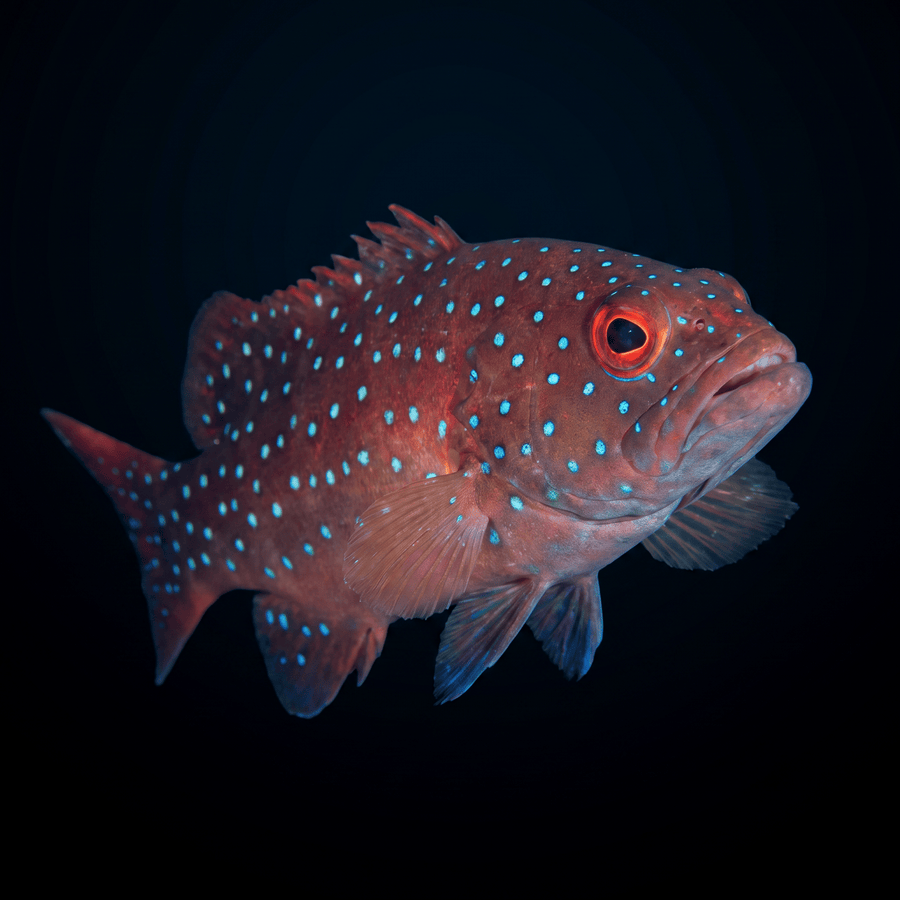
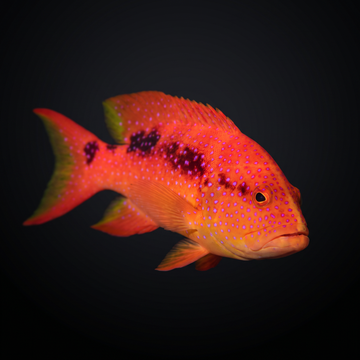
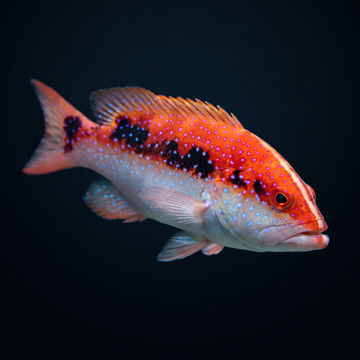
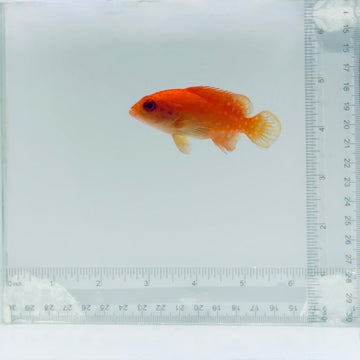
On the reef, Cephalopholis miniata feeds chiefly on other reef fishes, supplementing that diet with crustaceans such as shrimp and prawns. Captive feeding should mirror that carnivorous profile with a varied selection of marine-based meaty items, including chopped marine fish flesh, shrimp and other crustacean meat, squid, clam meat, krill, mysis, and silversides. Suitable frozen carnivore preparations work well, and some individuals will learn to take prepared carnivore pellets.
Feeding guidance ranges from once every other day to three to five sessions per week, adjusted to the size and condition of the fish. Freshly imported specimens are sometimes reluctant to eat and may need live glass shrimp, grass shrimp, or small crabs to trigger a feeding response before transitioning to frozen and prepared items. Freshwater feeder fish, particularly goldfish, should not form the staple diet because of the associated nutritional and disease risks.
Introduce the Miniatus Grouper after other intended tankmates have settled in, and choose large, robust companions that cannot be swallowed and will tolerate occasional territorial chasing. Small fishes and ornamental crustaceans are simply food. Corals are generally left alone and one reference describes the species as coral-safe, yet the overall reef rating remains with caution: shrimp, crabs, snails, and other mobile invertebrates of suitable size are at risk, and the digging, bulk, and waste output of an adult make a spacious fish-only-with-live-rock system a safer home than a conventional mixed reef.
FAQ
Frequently Asked Questions
About the Miniatus Grouper
-
How large an aquarium does a Miniatus Grouper need?
Plan on a minimum of 180 gallons for an adult, though one established reference recommends approximately 290 gallons. A fully grown specimen may be impractical for an ordinary home aquarium. -
Can it live with shrimp, crabs, or small fish?
No. This grouper naturally preys on fishes and crustaceans, so small fish, shrimp, crabs, and similarly sized mobile invertebrates are likely to be eaten. Tankmates must be robust and clearly too large to swallow. -
Is the Miniatus Grouper safe with corals?
It generally ignores corals and has been described as coral-safe, but its overall reef rating is with caution. The risk comes from predation on fish and mobile invertebrates, plus disturbance of aquascaping through digging and territorial activity.