Mysis
Chopped Seafood
Shellfish
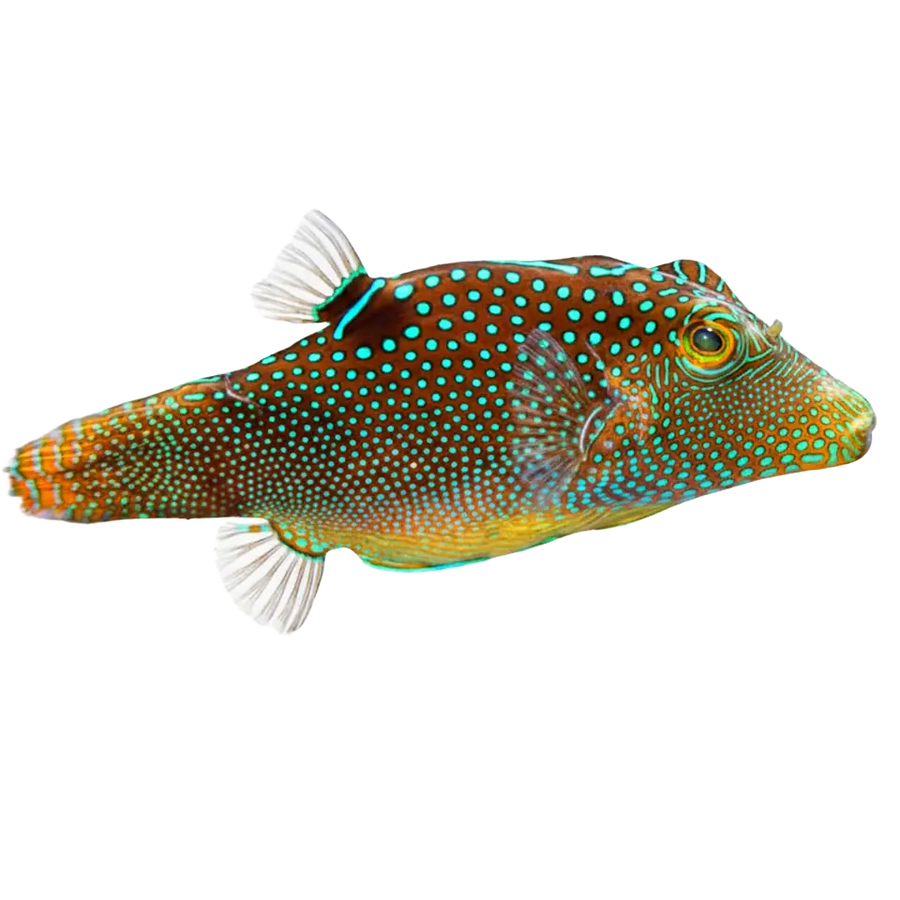
The Valentini Puffer is an active swimmer, often exploring crevices and the substrate. It exhibits a semi-aggressive nature, being territorial, especially in smaller tanks. While generally peaceful with larger, non-aggressive species, it may nip at slow-moving or long-finned fish. It thrives in a community of similarly sized, robust tank mates. This species requires ample space to establish its territory, reducing aggression. Socially, it can coexist with others of its kind if the environment is spacious enough to prevent territorial disputes.
FAQ
Frequently Asked Questions
About the Valentini Puffer
-
Can a Valentini puffer safely live with my clean-up crew (snails, hermits, shrimp), or will it eventually eat them?
Valentini puffers are opportunistic predators and will almost always prey on small inverts over time. Tiny snails, hermits, and ornamental shrimp (like cleaner or peppermint shrimp) are considered food, even if they are ignored at first. Larger hermits in thick shells have a better chance, but there is no guarantee of safety. If you want a Valentini in a reef or mixed tank, assume that mobile inverts are expendable and plan your clean-up crew around larger, tougher species (like big turbo snails and larger hermits) while regularly replacing losses. For truly safe invert-keeping, a Valentini should be in a fish-only or fish-only-with-live-rock system. -
How do I keep a Valentini puffer’s teeth from overgrowing, and what signs indicate that a dental problem is starting?
Their beak-like teeth grow continuously and need regular wear from hard, crunchy foods. Offer shelled foods such as small clams on the half shell, mussels, cockles, and hard-shelled shrimp or crab pieces 2–3 times per week. Avoid feeding only soft foods (like mysis or flake) as a staple. Early signs of trouble include difficulty picking up food, dropping food repeatedly, chewing for a long time without swallowing, or a visibly long “buck-toothed” beak when viewed from the side. Once overgrowth happens, a vet or experienced aquarist may need to manually trim the teeth under sedation; this is stressful and risky, so prevention through diet and variety is far better. -
My Valentini puffer changes color and shows dark blotches or a washed-out body at times. How do I know if this is normal color change or a stress/health issue?
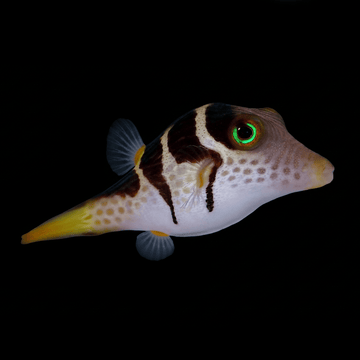
Valentini puffers naturally adjust their pattern and intensity with mood, lighting, and sleep cycle. Normal changes include darker body and more vivid stripes when active or feeding, and a paler, slightly blotchy appearance when sleeping or resting. Concerning signs are: staying washed-out and blotchy for long periods during the day, clamped fins, rapid breathing, hiding all the time, or sitting on the bottom. If the color change is paired with scratching on rocks, look for parasites; if it coincides with heavy breathing or gasping at the surface, check ammonia, nitrite, and oxygen levels. Brief, situational color shifts are normal; persistent dullness with other symptoms indicates stress or illness. -
How aggressive is a Valentini puffer toward other fish, and what specific tankmates usually work or fail in a community tank?
Valentinis are semi-aggressive and very personality-dependent. They often coexist well with similarly sized, assertive fish like clownfish, fairy and flasher wrasses, hawkfish, mid-sized tangs, and larger damsels. They tend to nip slow, long-finned species such as lionfish, firefish, longfin gobies, and some angelfish, and may harass very passive fish like assessors or small grammas. Avoid very tiny fish (like neon gobies) that can be viewed as prey. They are risky with other puffers or boxfish due to territorial issues and mutual fin nipping. Provide caves and rockwork with multiple “lines of sight” breaks to reduce confrontations, and introduce them later rather than as the first fish so they are less likely to claim the entire tank as their territory. -
What are the specific tank size, flow, and aquascape needs of a Valentini puffer to keep it active and reduce boredom-related nipping?
A single Valentini does best in at least a 30-gallon tank, with 40+ gallons preferred for long-term comfort and stability. They like moderate flow with some lower-flow zones where they can hover and investigate. Use live rock arranged to form arches, caves, and small overhangs, creating a “loop” or path they can patrol rather than a flat wall. Include varied textures and surfaces for them to peck at, and change the rock layout slightly on occasion to create new territory to explore. Provide environmental enrichment with different feeding methods (target feeding, placing food in shells, using feeding clips) to keep them mentally stimulated; a bored Valentini is more likely to nip tankmates and pick at anything that moves.