Pellets
Mysis
Finely Chopped Seafood
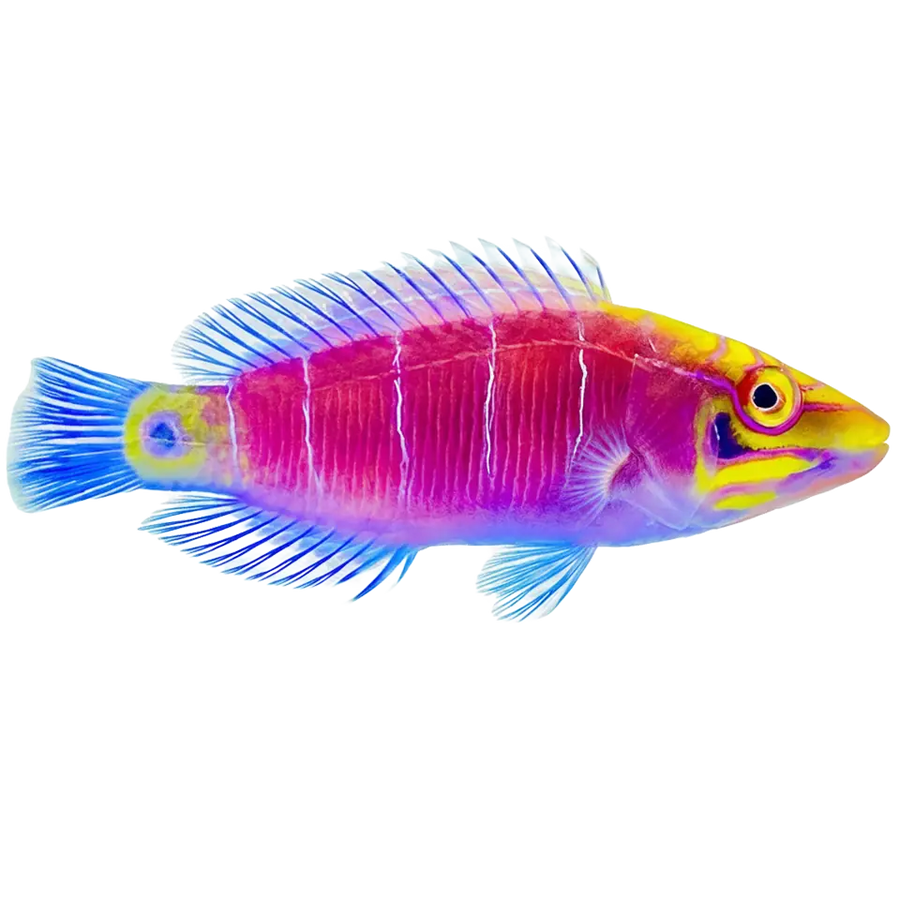
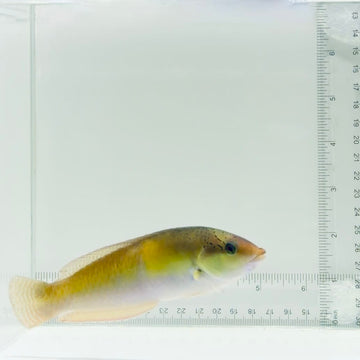
The Red Breasted Maori Wrasse is a solitary swimmer, often patrolling the tank's bottom and middle levels. It exhibits aggressive and territorial behavior, especially towards similar-sized or smaller fish. This species is not suitable for reef tanks due to its predatory nature, often preying on crustaceans and mollusks. It thrives in a spacious environment, requiring a minimum of 180 gallons, and is best kept with larger, robust fish that can withstand its assertive demeanor.


FAQ
Frequently Asked Questions
About the Red Breasted Maori Wrasse
-
What tank size and aquascape are best for a Red Breasted Maori Wrasse (Cheilinus fasciatus), considering its adult size and behavior?
This wrasse reaches about 35–40 cm (14–16") and needs a large, horizontal footprint. For a single adult, 6 feet (180 cm) length is the minimum, with a volume of at least 180–220 gallons; larger is strongly preferred, especially if tankmates are included. Rockwork should form solid, stable bommies with caves and swim‑throughs, leaving wide open areas in front and above for cruising. Avoid narrow rock mazes; this species is a powerful swimmer and a “cruiser” that patrols the reef structure. Ensure heavy, well‑secured rock, as they can dislodge decor when rooting around. A deep sandbed for burying is not essential (unlike some wrasses), but a 1–2" layer of aragonite is helpful for comfort and biofiltration, with some shaded overhangs for resting. -
How can I manage the aggressive and predatory nature of a Red Breasted Maori Wrasse in a community marine tank?
This is a large, bold, and predatory wrasse best suited to aggressive or predator setups. It will eat small fish and invertebrates it can fit in its mouth, including shrimp, crabs, snails, and ornamental clams. Choose robust tankmates of similar size or larger, such as large angels, tangs, triggers (non‑psychotic individuals), large rabbitfish, and other similar‑sized wrasses, introduced at similar sizes. Avoid small gobies, anthias, chromis, cardinals, and decorative shrimp. Introduce the wrasse after more timid fish have settled, or add all large fish at roughly the same time. Provide visual barriers in the rock to break line‑of‑sight and multiple territories. Maintain strong, stable water quality and feed heavily but cleanly; a well‑fed Red Breasted Maori Wrasse is less likely to harass tankmates constantly, though predation on bite‑sized animals will still occur. -
What diet and feeding routine are ideal for long‑term health and color in a Red Breasted Maori Wrasse?
In the wild, this species hunts crustaceans, mollusks, and small fish. In captivity, target a high‑protein, varied diet: chopped fresh or frozen shrimp, squid, clam, mussel, krill, and high‑quality marine carnivore pellets and sticks (3–5 mm for adults). Soak dry foods in a vitamin supplement and occasional HUFA (omega‑3) products a few times a week to support immune health and coloration. Feed at least 2–3 times daily for juveniles and 2 times for adults, adjusting portions so all food is consumed within a few minutes. Avoid relying on feeder fish; they often introduce disease and lack proper nutrition. Hard, shelled foods such as clam on the half shell or pieces of shell‑on shrimp a few times a week provide jaw exercise and mental stimulation. -
How do I acclimate a new Red Breasted Maori Wrasse and reduce stress during the first weeks in the aquarium?
Start with a large, robust specimen that is eating at the store; avoid very small juveniles and fish that show frayed fins or clouded eyes. Use a drip acclimation of 30–45 minutes, then transfer with a container rather than a net to protect the slime coat. Keep lights dim for the first day and reduce aggression by using an acclimation box for 24–72 hours if there are established large fish. Provide several caves and shaded areas so it can retreat. Offer food within a few hours of introduction, starting with strong‑scented options such as clam, mysis, or chopped shrimp. Maintain stable parameters—temperature 24–26 °C (75–79 °F), salinity 1.024–1.026, pH 8.1–8.4—and avoid major changes in the first weeks. This species can be sensitive to copper and other medications at high levels, so quarantine in a large, bare‑bottom tank with ample PVC hiding spots is strongly recommended before adding to the display. -
What are common health or behavioral issues specific to Red Breasted Maori Wrasse, and how can I recognize and prevent them?
Common issues include: 1) Physical trauma from rockwork or tankmates: They are powerful and may dash into rock when startled. Provide stable rock and avoid very aggressive triggers or groupers that may attack or corner them. Watch for torn fins or abrasions; address aggression and improve hiding spots if seen. 2) Nutritional problems: A monotonous diet can lead to faded color, lethargy, and poor immune response. Correct by increasing food variety and adding vitamin and HUFA supplements. 3) External parasites (marine ich, flukes): Large wrasses are frequent wild imports and often carry parasites. Look for flashing, rapid breathing, and small white spots or excess mucus. Use proper quarantine with observation, freshwater dips (for flukes), and, if needed, carefully controlled therapeutic levels of proven treatments in a hospital tank, not the display. 4) Stress from undersized tanks: Pacing, glass surfing, and constant attempts to rearrange rock often indicate cramped conditions. The long‑term solution is a significantly larger tank; short‑term, increase environmental complexity and reduce harassment from other fish.