Pellets
Mysis
Finely Chopped Seafood
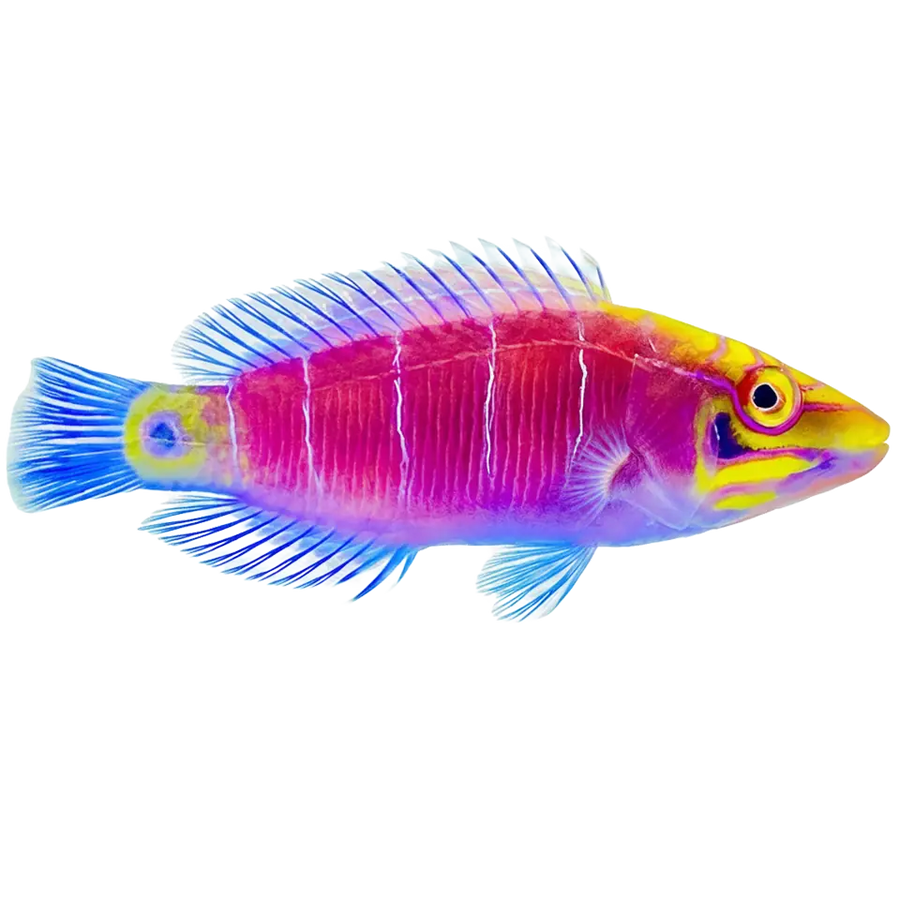
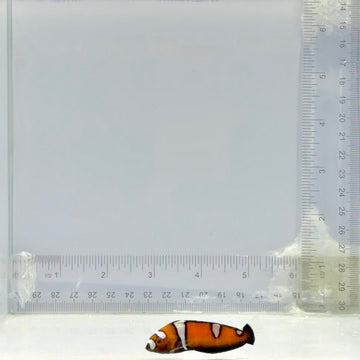
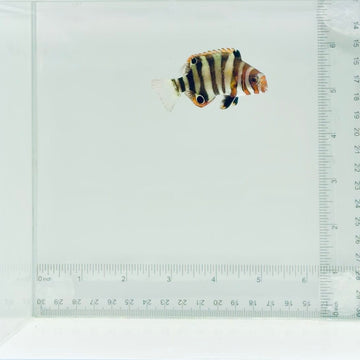
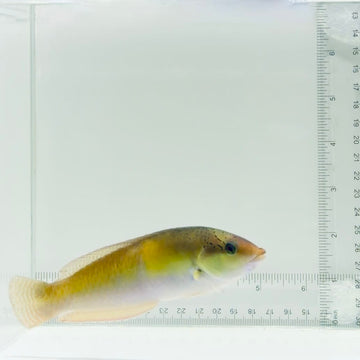
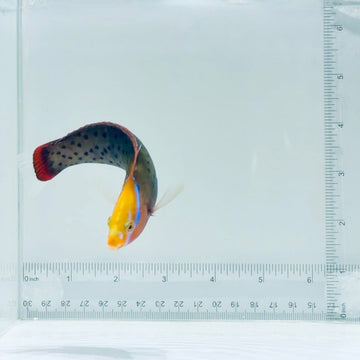
The Lunare Wrasse, Thalassoma lunare, is an active swimmer, often seen darting around the tank. It displays aggressive behavior, especially towards smaller, slower fish. This species is territorial, establishing dominance over its space. It is not reef safe due to its diet, which includes crustaceans and mollusks. Compatibility is limited to similarly sized, robust fish. A large tank of at least 125 gallons is essential to accommodate its active nature and territorial needs. Originating from the Philippines and Fiji, it thrives in similar water conditions.


FAQ
Frequently Asked Questions
About the Lunare Wrasse
-
How can I tell if my lunare wrasse is transitioning from female/initial phase to male/terminal phase, and does this affect how aggressive it will be in my tank?
Lunare wrasses are protogynous hermaphrodites, meaning they start life as females (or initial phase) and can transition to males (terminal phase). As they mature and/or become the dominant wrasse, you’ll see: more intense body coloration (blue-green body becomes more vivid, yellow tail deepens, facial markings sharpen), thicker body and more pronounced head profile, and bolder, more territorial behavior. Transitioning or terminal males often patrol the tank more, display towards mirrors or reflective glass, and are more likely to chase similarly shaped fish or new wrasses. In medium to large tanks (6 feet or more), this is manageable with robust tankmates such as tangs, large angels, triggers, and other fast, tough fish. In smaller systems, a transitioning male can become a serious bully, so stocking plans should anticipate that your cute juvenile will almost certainly become a dominant male with a bigger personality. -
My lunare wrasse keeps flipping rocks and pulling snails and crabs out of their shells. Is there any realistic way to keep a cleanup crew with this species?
Lunare wrasses are dedicated invert predators; this behavior is normal and won’t stop with training or extra feeding. They use their snout and body to wedge into and flip rocks, then pry out crustaceans, mollusks, and worms. “Reef-safe with caution” does not really apply here; they are generally not reef-safe with invertebrates. The only realistic options are: run a primarily fish-only system with minimal or sacrificial cleanup crew; focus on very large, well-armored inverts (big urchins, large conchs) that are somewhat less appealing but still at risk; or use mechanical filtration, siphoning, and flow patterns to manage detritus instead of relying heavily on snails and small hermits. If you must try a cleanup crew, add them after lights out, introduce many at once to spread attention, and provide lots of rockwork and crevices, but understand attrition will be high. -
How big of a tank does an adult lunare wrasse actually need, and what aquascape style works best for its natural swimming and hunting behavior?
Adult lunare wrasses reach about 10–11 inches and are extremely active, cruising the water column and repeatedly diving into rockwork. A 125-gallon tank (minimum 6-foot length) is the realistic minimum for long-term care; larger (180–220+ gallons) is better, especially with other big, active fish. Depth and width matter: 24 inches front-to-back gives more turning room. For aquascape, use an “open reef” or bommie layout: dense rock structures with many caves, overhangs, and tunnels, but with broad open sand and swimming lanes around and between them. They like to dart through holes and crevices, sleep in the rock at night, and hunt along the sand for buried inverts. Avoid wall-to-wall rock or overly tall, unstable piles—they will move rubble and may topple poorly stacked structures. Secure rock with epoxy or rods so their digging and ramming behavior doesn’t cause collapses. -
My lunare wrasse dives into the sand and rock at lights-out and sometimes disappears for a day. Is this normal, and how can I keep it from injuring itself or jumping during these bursts?
Lunare wrasses wedge themselves into rock crevices or bury partially in the substrate at night and when frightened; disappearing into the rockwork for many hours is normal. Sometimes they rest deeply enough that they don’t react much to external movement. To keep this behavior safe, provide: fine to medium sand (1–2 mm grain) rather than sharp, coarse crushed coral; plenty of caves and tight crevices so it doesn’t repeatedly ram bare glass or equipment; and fully covered tops (mesh or solid lids) with no gaps, since they are strong jumpers, especially at dusk, dawn, and when startled. Avoid sudden light changes—ramp lights up and down or use dim “transition” lights to reduce frantic dives. Rearrange rock minimally after the fish is established so it doesn’t try to wedge into previously safe spots that no longer exist. -
My lunare wrasse is constantly nipping at my tang’s fins and chasing a newly added wrasse. How should I sequence and choose tankmates to reduce this aggression?
Lunare wrasses do best with sturdy, fast tankmates introduced in the right order. Stock more peaceful or timid fish first (small wrasses, fairy wrasses, smaller angels, gobies), then semi-aggressive species, and add the lunare later so it doesn’t claim the entire tank from day one. When adding new fish to a system with an established lunare, favor species that are: larger or similarly robust (tangs, larger angels, triggers, big damsels), not similarly shaped/color-patterned wrasses (to avoid rivalry), and fast enough to escape short chases. Use acclimation boxes for new wrasses or similar-shaped fish so the lunare can see but not attack them for a few days. Rearranging some rockwork just before introducing new tankmates can reset territories. Keep the lunare well fed with meaty foods, but understand feeding will not erase its assertive nature; the long-term plan should assume it will be one of the dominant, boldest fish in the tank.