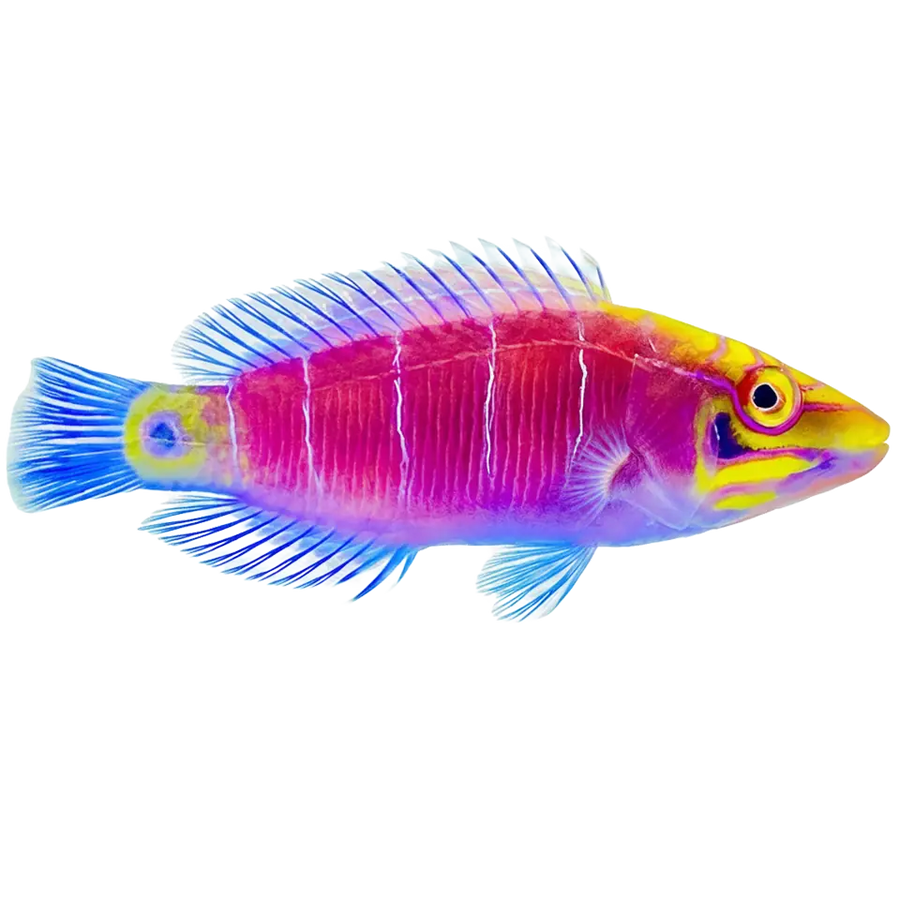
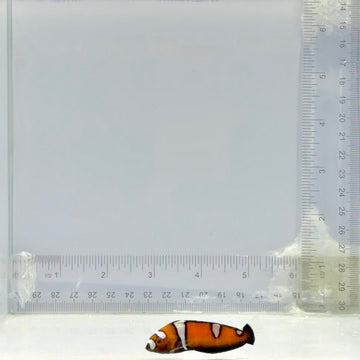
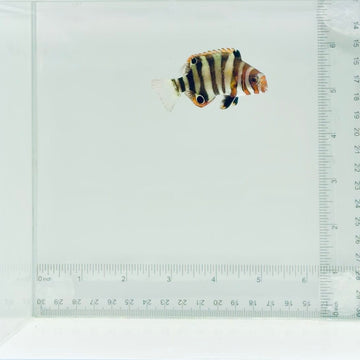
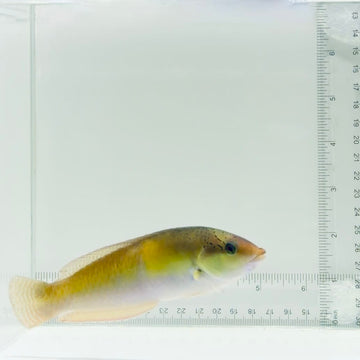
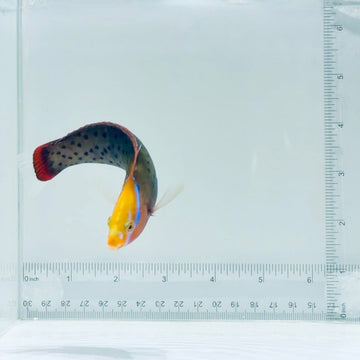
Exquisite Fairy Wrasse

Overview:
The Exquisite Fairy Wrasse (Cirrhilabrus exquisitus) is a vibrant and active marine fish, ideal for both beginner and experienced aquarists. Originating from the Indo-Pacific region, this species thrives in a well-established reef tank environment. They require a tank of at least 55 gallons, with plenty of live rock for hiding and exploring. The water should be maintained at a temperature of 72-78°F, with a pH of 8.1-8.4 and a specific gravity of 1.020-1.025. Adequate water movement and high-quality filtration are essential to mimic their natural habitat and ensure their well-being.

Compatibility:
Exquisite Fairy Wrasses are generally peaceful and can coexist with a variety of other non-aggressive marine species. They are best kept with other peaceful wrasses, gobies, and tangs. Avoid housing them with aggressive or territorial fish, as this can lead to stress and potential injury. It is advisable to introduce them to the tank simultaneously with other wrasses to minimize territorial disputes. They can be kept singly or in small groups, but ensure there is adequate space and hiding spots to accommodate their social dynamics.

Health and Quarantine:
Maintaining the health of the Exquisite Fairy Wrasse requires regular monitoring of water parameters and a stable environment. They are susceptible to common marine diseases such as marine ich and velvet, so it is crucial to quarantine new arrivals for at least two weeks before introducing them to the main tank. During quarantine, observe for signs of illness such as loss of appetite, abnormal swimming, or visible spots on their body. Preventive care includes maintaining optimal water quality, providing a balanced diet, and minimizing stress through proper tankmate selection. Regular health checks and prompt treatment of any signs of illness will help ensure the longevity and vitality of your Exquisite Fairy Wrasse.

Mysis Shrimp Brine Shrimp Finely Chopped Seafood
Exquisite Fairy Wrasse, Cirrhilabrus exquisitus, displays lively swimming habits, often exploring the mid to upper water columns. They are social, thriving in groups, and exhibit peaceful behavior, making them ideal for community tanks. Though not territorial, they may establish a pecking order within their group. Compatible with other peaceful species, they coexist well in reef environments. Their carnivorous diet includes mysis shrimp, brine shrimp, and finely chopped seafood. A 70-gallon tank provides ample space for their active lifestyle and social interactions.

FAQ

Frequently Asked Questions

About the Exquisite Fairy Wrasse

  • How can I distinguish a male Exquisite Fairy Wrasse from a female or juvenile, and will the colors change after I add him to my display tank?
    Male Exquisite Fairy Wrasses (Cirrhilabrus exquisitus) show bolder, more segmented coloration with distinct greens, blues, and reds, and a more elongated, pointed dorsal fin. Females and juveniles are typically more uniform, with softer, muted greenish or brownish tones and less defined patterning. Wild-caught males often show their brightest colors in photos taken during capture or in shipping containers when stressed or in full display. Once in your tank, they usually dull a bit at first, then regain intensity over several weeks as they settle, start eating well, and establish a social role. Expect the most dramatic coloration during courtship display around dusk; under strong blue/actinic lighting their iridescent areas appear much more vivid. Juveniles and females may slowly transition to male coloration if they become dominant and there is no larger male present.
  • What is the ideal tank size and aquascape layout for long-term success with an Exquisite Fairy Wrasse, and do they really need a sand bed?
    For a single Exquisite Fairy Wrasse, a 55–75 gallon tank is a realistic minimum for long-term care, with more space preferred if you keep multiple wrasses or other active swimmers. They are midwater column swimmers that appreciate open horizontal space, but they also need multiple caves, arches, and overhangs to dart into when startled. Rockwork should create several “tunnels” and shaded areas rather than a single solid wall. Unlike many Halichoeres wrasses, Exquisite Fairy Wrasses do not routinely bury themselves; they form a mucous cocoon and sleep in rock crevices, so a sand bed is not mandatory for their sleeping behavior. However, a thin sand bed (1–2") still helps with overall tank biology and comfort and allows for natural foraging behavior over the substrate.
  • My Exquisite Fairy Wrasse constantly harasses new wrasses I add, even though he ignores my tangs and clowns. How can I reduce aggression specifically within wrasse groups?
    Exquisite Fairy Wrasses can be quite assertive toward other fairy and flasher wrasses, especially if they were established first and are male. To reduce aggression, introduce them as one of the last wrasses, not the first. When adding more wrasses: • Add them in groups (2–3 at once) rather than singly so aggression is diffused. • Choose species with different body shapes and color patterns, and avoid similar-looking Cirrhilabrus species from the same complex or region. • Use an acclimation box for several days to let the resident wrasse see but not attack the newcomer; release at lights-out. • Temporarily rearrange some rockwork before release to disrupt existing territories. • Feed more frequently (small portions 3–4 times daily) in the first week to reduce competition tension. If a particular male Exquisite stays highly aggressive, you may need to pair him only with smaller, very dissimilar wrasses or keep him as the primary wrasse in the system.
  • Are Exquisite Fairy Wrasses safe with ornamental shrimp, feather dusters, and small clean-up crew, or will they nip at invertebrates like some other wrasses?
    Exquisite Fairy Wrasses are generally among the safer wrasses for invertebrates. They are planktivores that focus on small organisms in the water column and on rock surfaces, so they very rarely bother cleaner shrimp, fire shrimp, or larger ornamental shrimp once those shrimp are established. Tiny, newly-molted shrimp can be at some risk in any tank, but this species is not a deliberate shrimp hunter like many Halichoeres or Thalassoma wrasses. They normally ignore feather dusters and tube worms, though an individual might sample very small fan worms while picking at rock. Snails, hermits, and other standard clean-up crew are usually left alone. To be cautious, add more delicate invertebrates only after your Exquisite is fully settled and well-fed, and avoid keeping it with extremely tiny or newly metamorphosed shrimp in very small tanks where escape options are limited.
  • What specific feeding schedule and food types keep an Exquisite Fairy Wrasse in top condition and coloration, and can they thrive in a tank that’s only fed once a day?
    Exquisite Fairy Wrasses are active, high-metabolism planktivores that do best with multiple small feedings rather than a single large one. Aim for 2–4 feedings per day in smaller tanks, or at least 2 generous feedings in larger, mature systems with plenty of natural microfauna. Offer a varied mix: • High-quality frozen foods: mysis, enriched brine (as a supplement), finely chopped krill, calanus, and small marine plankton. • Small, meaty dry foods: 0.5–1 mm marine pellets and quality flakes with high marine protein content. • Occasional treats: live or frozen copepods, baby brine (enriched), and roe (fish eggs) help stimulate finicky eaters and support color. While many individuals can survive on once-daily feeding, they tend to maintain better weight, activity, and coloration with more frequent, smaller feedings that mimic constant picking in the wild. Use strong surface agitation or a powerhead to keep food suspended in the water column, where these wrasses naturally hunt.