Mysis
Chopped Seafood
Shellfish
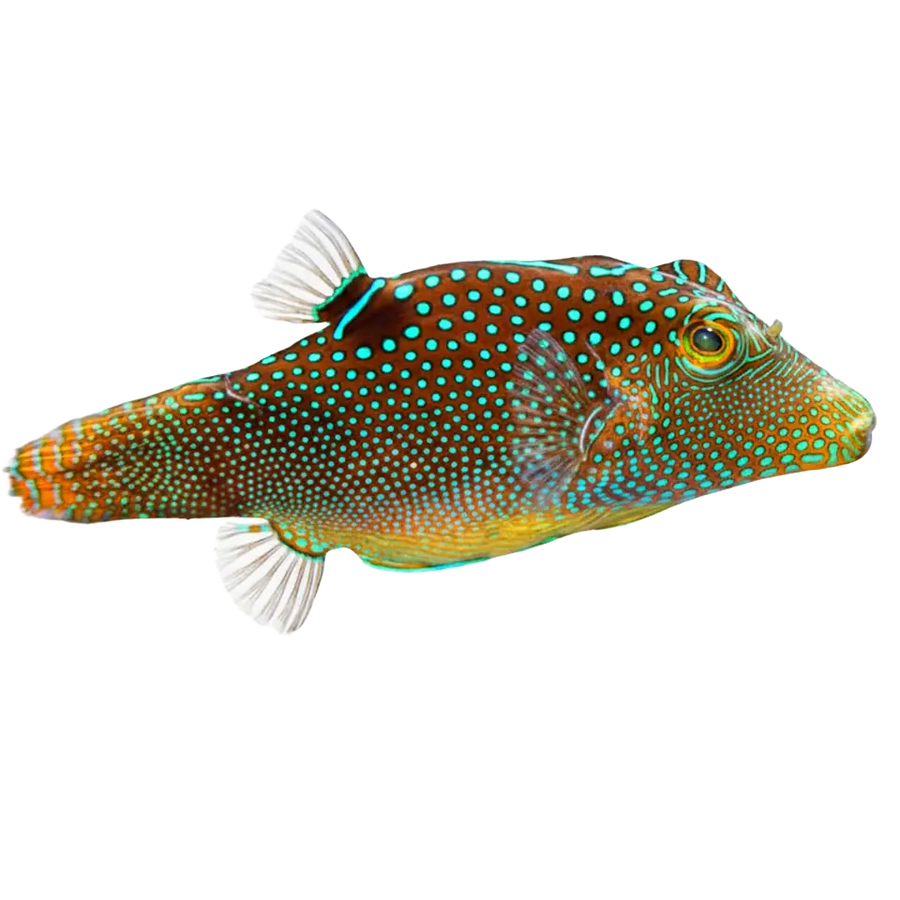
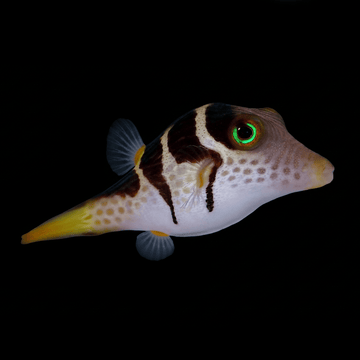
Dogface Puffers are slow, deliberate swimmers often seen exploring crevices. They exhibit solitary behavior, showing little interest in forming schools. Generally non-aggressive, they can be territorial if provoked or during feeding. They may nip at smaller, slow-moving fish or invertebrates. Compatible with larger, non-aggressive tank mates, but caution is advised with other puffers or similar species. Their curious nature leads them to interact with their environment, often rearranging objects or investigating new additions to their habitat.
FAQ
Frequently Asked Questions
About the Dogface Puffer
-
Can a dogface puffer safely live in a reef tank, and if so, which corals and inverts are at the highest risk?
Dogface puffers are best considered “reef unsafe.” While individual personalities vary, most will eventually nip or eat fleshy LPS corals (acans, scolys, trachys, brains), soft corals with extended polyps (zoas, leathers, xenia), and nearly all motile invertebrates (shrimp, crabs, snails, clams). They’re usually less interested in SPS sticks and encrusting corals, but nothing is guaranteed long term. Clean‑up crew losses are very common; snails and hermits are often treated as snacks used to grind their teeth. If kept in a tank with corals, plan for limited or no CUC, prioritize SPS and some hardy leathers, and be prepared to remove the puffer once it develops a taste for any particular coral or invert. -
How do I keep a dogface puffer’s teeth from overgrowing in captivity, and what signs mean they’re already too long?
How do I keep a dogface puffer’s teeth from overgrowing in captivity, and what signs mean they’re already too long? A: Puffer beaks grow continuously and need regular wear from hard foods. Feed shell‑on and crunchy items several times per week: whole clam on the half shell, mussels, cockles, crab legs (cracked), unshelled shrimp, and occasional small snails. Rotate these with meaty marine foods like squid, krill, and fish flesh. Signs of overgrown teeth include difficulty picking up food, dropping food repeatedly, chewing only at the tips, weight loss despite interest in eating, and visible teeth projecting beyond the lips even when the mouth is closed. If this happens, a vet (ideally with fish experience) must trim the teeth under sedation; do not attempt to clip them yourself with household tools. -
My dogface puffer changes color and shows blotchy patterns throughout the day. How do I tell the difference between normal mood changes and signs of illness or stress?
Dogface puffers naturally shift between lighter and darker tones and can show mottled patches when resting, sleeping, or reacting to changes in light or mood. Normal changes are smooth, relatively quick (minutes), and the fish still eats aggressively, breathes at a steady pace, and swims confidently. Concerning patterns include: staying pale or almost “washed out” for hours, very dark and clamped fins, heavy/bulging breathing, hiding constantly, loss of appetite, or blotches combined with visible skin issues (fuzzy patches, white grains, bloody streaks). If odd coloration is accompanied by behavior changes, rapid breathing, scratching, or visible parasites, treat it as potential disease or water‑quality stress, test parameters immediately, and consider a proper quarantine and diagnosis. -
What is the minimum realistic tank size for a dogface puffer, and how does its messy eating affect filtration design?
A dogface puffer reaches about 10–12 inches and is a messy, high‑waste predator. While they’re often sold small, a realistic long‑term minimum is around 120 gallons (4 ft tanks are tight; 5–6 ft lengths are much better for turning space and stable water). Because they shred food and excrete a lot, strong mechanical filtration (filter socks, roller mat, or frequent floss changes), an oversized skimmer, and robust biological filtration are needed. Aim for high turnover (8–10x/hour), good surface agitation, and aggressive nutrient export (macroalgae refugium, carbon, and possibly phosphate control). Plan feeding and maintenance assuming nitrate and phosphate will rise quickly: consistent water changes and cleaning detritus from rockwork and substrate are essential to keep the fish healthy. -
Dogface puffers are reported to be very intelligent. How can I provide proper enrichment and avoid boredom‑related issues like glass‑surfing or nipping tankmates out of frustration?
Dogface puffers are interactive and can become bored in bare or monotonous tanks. Provide complex rockwork with caves and overhangs sized for their adult body, varied flow areas, and open swimming space. Rotate feeding methods: hand‑feed occasionally, use feeding tongs, offer shellfish on a clip or in a small rock crevice so they must work to extract it, and sometimes scatter sinking bits in different areas. Offer whole prey items (e.g., whole shrimp with shell, small crabs) so feeding takes time and effort. Visual enrichment (rearranging rock slightly, adding PVC tunnels, or placing a mirror for brief supervised periods) can stimulate natural behaviors. If housed with tankmates, choose robust, non‑nippy fish of similar size that won’t outcompete them for food. A bored, under‑stimulated puffer is more likely to glass‑surf, pace, or test tankmates with exploratory nips.